Archiv der Kategorie: Spieleabende

Spielbericht und Review vom 23.04.2003

Spielbericht und Review vom 23.04.2003

Autor: Walter, Moritz

am Tisch: Andrea, Hans, Aaron, Peter, Walter, Moritz

auf dem Tisch: The Roaring 20’s, Das Tal der Mammuts

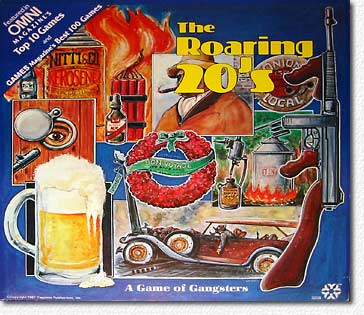
  1. The Roaring 20’s

    The Roaring 20's
    Moritz packte mal wieder eine Neuerwerbung aus, und mit der ihn auszeichnenden Genialität
    ging er daran, uns die englischen Spielregeln aus dem Stegreif heraus in verständliches
    Deutsch zu übersetzen. Bei den üblichen WPG-Rückfragen zu Regel-Details musste er leider
    immer passen, da er sich erst selbst durch die Beschreibungen hindurchkämpfen musste, und
    die Antworten selbst noch gar nicht kannte. Nach 20 Minuten waren wir durch die vier
    Druckseiten Regelwerk hindurchgekommen und hatten eine vage Vorstellung davon, was uns
    jetzt erwartete.

    In einer amerikanischen Großstadtszenerie (aus welchem Jahrzehnt auch immer) wird die
    ungebrochene Dominanz der Verbrechersyndikate nachgespielt: alle Mitspieler sind
    Gangster; jeder muss seine Beute, ausgedrückt als Geldsumme, vom Ort seines Verbrechens
    bis zu seinem Unterschlupf transportieren. Jeder zieht zufällig eine Karte, auf dem die
    Lage seines Unterschlupfes vorgegeben ist. Das ist der Zielort. Jeder zieht zufällig drei
    weitere Karten, auf denen die möglichen Positionen seines Verbrechens eingetragen sind.
    Eine davon darf er als Startposition für seinen Auftrag auswählen. Natürlich sollte er
    diejenige auswählen, die am günstigsten zu seinem Ziel liegt. Für den Transport der Beute
    bekommt jeder ein Fahrzeug, mit dem er sich für alle sichtbar auf den Straßen des
    Stadtplans vorwärts bewegt. Maximal zehn Felder pro Zug.

    Reihum abwechselnd spielt jeweils einer der Mitspieler den Polizeikommissar und ist
    damit Chef über eine Flotte von zehn Polizeieinsatzfahrzeugen, mit denen er die Gangster
    am Einfahren der Beute hindern soll. Jedes Polizeifahrzeug darf sich pro Zug um acht
    Felder bewegen. Die Gangster bekommen also in bezug auf die Reichweite ihrer Fahrzeuge
    einen kleinen Vorteil, dafür liegt der Vorteil in bezug auf Masse klar auf Seiten der
    Polizei.
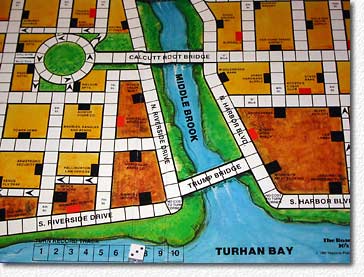
    The Roaring 20's Allerdings ist ein einzelnes Polizeifahrzeug
    noch kein Hindernis für einen Kriminellen, er kann ohne jegliche Einschränkung daran
    vorbeifahren. Erst zwei Polizeiautos, auf einem einzigen Feld übereinander
    gestapelt, bilden eine Sperre, die nicht passiert werden darf. Um einen Gangster
    aber ganz unschädlich zu machen, bedarf es schon vier Polizeifahrzeuge, die bis in
    unmittelbare Nähe des Betroffenen vorrücken müssen. Da tut sich ein Gesetzeshüter
    schon schwer, alle Verbrecher zur Strecke zu bringen. Kurz gesagt, durchschnittlich
    drei Viertel der Kriminellen können ihre Beute ungehindert nach Hause bringen.

    Wen es aber erwischen soll, das hängt zum einen von der Ausgangslage ab, die war ja mehr
    oder weniger zufällig über das Stadtgebiet plaziert ist, zum anderen aber auch von den
    persönlichen Beziehungen zur Polizei: diese ist nämlich bestechlich. Vor jeder Runde kann
    jeder Gangster einen Betrag spendieren, mit dem er sich das Wohlwollen des Gendarmen
    erkaufen kann. Damit kann sich der Wachtmeister darüber hinwegtrösten, dass er in dieser
    Runde mittels Verbrechen keinen Gewinn erzielen kann. Leben und leben lassen. Eine
    Garatie für Straffreiheit ist die Bestechung aber nicht. Soweit klingt alles gut und das
    Spiel scheint vernünftig. Überdurchschnittliche Bewertung.

    Jetzt aber kommt der Knackpunkt.

    Die Fahrstrecke, die ein jeder Gangster vom Tatort bis zu seinem Unterschlupf
    zurücklegen muss, ist von der Länge und von der Stadtlage rein zufällig. Wenn man die
    richtigen Karten gezogen hat, muss man gerade mal drei Felder weiter ziehen und ist nach
    seinem ersten Zug bereits zuhause. Wenn man Pech hat, muss man quer durch die Stadt
    fahren, und hat evtl. keine Chance gegen zehn Polizeifahrzeuge. Die Beute, die ein jeder
    als Siegesprämie einsteckt, ist auch zufällig. Wer Glück hat, bekommt für seine
    unbehinderte 3-Felder-Fahrt 25.000 Dollar, wer Pech hat, kämpft um den zehnten Teil
    dieser Summe gegen den gesamten Polizeiapparat in der Innenstadt. Was hat sich der Autor
    bei diesem Prinzip gedacht?

    Damit das ganze aber nicht so offensichtlich unlogisch über die Bühne geht, hat jeder
    Spieler noch zwei Ereigniskarten, mit denen er das Ergebnis der Beutezüge beeinflussen
    kann. Z.B. kann er kostenlos aus dem Gefängnis freikommen, falls ihn die Polizei erwischt
    haben sollte. Dies ist mindestens 1.000 Dollar wert, aber nur, wenn man im Gefängnis
    gelandet ist. Oder er darf ein Polizeiauto aus dem Weg räumen. Das kann etwas wert sein,
    wenn einem die Polizei dicht auf den Fersen ist. Für die Mehrheit der erfolgreichen
    Verbrecher bringt diese Karte aber nichts. Nach einer Super-Karte aber kassiert man am
    Ende der Runde die Beute eines Mitspielers, die dieser gerade sicher nach Hause gebracht
    hat. Das kann dann schon 25.000 Dollar wert sein. Und den überraschten Mitspieler kostet
    es auch nochmal 25.000 Dollar, macht insgesamt 50.000 Dollar Unterschied, oder? Das ist
    ca. zehn Prozent der insgesamt zur Verfügung stehenden Geldsumme oder die Gesamtausbeute
    von sieben Runden biederer Kriminalität!

    Macht es Sinn, einem mitspielenden Gangster, der sich vielleicht durch ein geschicktes
    Täuschungsmanöver erfolgreich zu seinem Unterschlupf durchgekämpft hat, die verdiente
    Beute abnehmen zu dürfen, nur weil man zufällig die richtige Ereigniskarte auf der Hand
    hat? Und weil der Gegenspieler nicht zufällig eine Karte gezogen hat, mit der er dieses
    Hijacking abwehren kann? Ist das nicht ziemlich frustrierend für einen von beiden? Meint
    der Spieleautor wirklich, dass allein unberechenbares Chaos eine gute Spielidee abgibt?

    Hier geht es um die prinzipielle Frage, warum wir spielen und welches für jeden
    Mitspieler der Erwartungshorizont eines Spielabends ist. Ich sehe das unverzichtbar so:

    Wenn ich ein kluges Spiel spiele, dann möchte ich für mich Vorteile sehen, wenn ich
    klüger bin als die anderen. Bei einem Gedächtnisspiel möchte ich aus meinem Gedächtnis
    Kapital schlagen, bei einem Verhandlungsspiel aus meinem Diplomatiegeschick, bei einem
    reinen Glücksspiel aus Fortunas Begünstigung und bei einem Kampfspiel aus meiner
    Kampferfahrung, aus meinem Löwenmut oder aus meiner Fähigkeit zu taktischem Jammern. Wann
    immer ich mich auf ein Spiel einlasse, möchte ich von vorneherein taxieren können, ob und
    welche Spielereigenschaften jetzt gefragt sind.

    Was bietet diesbezüglich “The Roaring 20’s”? Ungerechtigkeit in der
    Schwierigkeit der gestellten Aufgabe, Unlogik beim jeweilige erzielbaren Erlös, Willkür
    in der staatlichen Verbrechensbekämpfung, Unberechenbarkeit bei den asynchronen
    Einflußmöglichkeiten der Mitspieler. Was lernen wir denn aus diesem Spiel? Die Welt ist
    bösartig und korrupt, Verbrechen zahlen sich in der Regel aus, Planung und Geschick
    zeitigen keinerlei Früchte und die Polizei ist immer auf der Seite der größeren
    Dollarbeträge.

    Weil wir im Formum der
    WPG
    nun mal gerade dieses Thema diskutieren: Dieses Spiel ist in höchstem Grade
    “politically incorrect”. Auch weil der Autor in der begleitenden Beschreibung
    zur jeweiligen Aufgabenstellung bedenkenlos zu jeglicher Art von Einbruch- und
    Diebstahls-Deliken vorgibt und zynisch dazu auffordert, dabei das Wachpersonal umzulegen
    oder die Konkurrenten aufzuhängen.

    View/add comments here

    Nach anderthalb Runden Spiel verloren wir die Lust und brachen ohne Einspruch eines
    einzigen Spielers ab. Nur Moritz bedauerte, dass seine Neuerwerbung keinen Blumentopf
    gewinnen konnte.

    Die Westpark-Gamers vergaben die mäßige Wertungsnote von 2,5.

    Walter Sorger, 25.4.2003

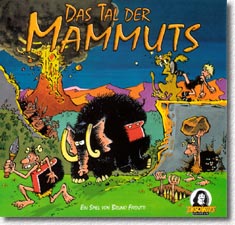
  2. Dominating the Das Tal der
    Mammuts
    “ (“Valley of the Mammoths”)

    Valley of the Mammoths Some tips for winning strategies

    Of course “Tal der Mammuts” is not a clear-cut strategy game. Luck plays a
    huge factor in being successful in building a huge and prosperous tribe. Many an event
    card can ruin your best laid plans. But because there are some wargame elements in this
    game (very light ones, by the way), some tested strategies which work in games of this
    kind will better your chances in surviving the stone-age battle. And if you are already
    dependent on luck, why not better your chances by playing well?

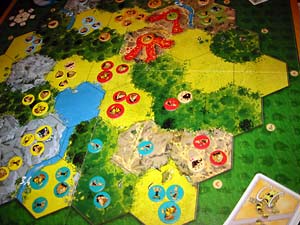
    1) Choosing your starting space

    This might well decide if you win or lose, so it is a decision you should not make
    lightly. Many factors have to be taken into account. Of course it is preferable to be as
    far away of other players as possible (but see “my best friend is my
    neighbour” below), so spaces close to the rim of the board are more interesting
    than central ones, where everybody will be your enemy. You should always choose a plain
    hex as a starting space, chances are good it will see a crop if you use the initial
    planting rule. Later in the game it will be much more difficult to see your crop grow,
    actually I’ve yet to see a game with many high-yielding crops, it just
    doesn’t happen. Food is MOST IMPORTANT (see below), so use the chance.The actual
    rim spaces are not good, this is were animals will appear, and they WILL appear. With 4
    animals drawn each round (and many more through event cards) it is nearly certain that at
    some point they will appear in your rim village and trample your crop. On the other hand
    you want to be close to the animals, so you can hunt them. So I would suggest a space
    which is close to the rim, but not directly at the rim. If you play with the
    (recommended) fire rule, you might want to be close to the volcano as well (but not
    necessarily directly next to it). Being close to a river is a two-edged sword –
    your village should not be far away from river spaces, so you can send your people
    foraging, but being next to the river has a 33.3% chance that your village will be
    destroyed at some point in the game. But at some point a village of yours will be
    destroyed by SOMETHING anyway, it might as well be this one- after you milked it of
    it’s benefits.

    If you take all these factors in account, there will be VERY FEW spaces that are
    interesting on the board. If you can, take one of them, most likely they will be taken
    already.

    If you have to place a village close to another player, make sure that your direct
    neighbour is a good friend (this game has many “Diplomacy” elements). Be good
    to your neighbour, never attack him (only if it is necessary for YOUR victory, at the end
    of the game). You might even consider leaving him the one or other space you desire for
    harvest or hunting. But see below…..

    2) “My best friend is my neighbour”

    Valley of the Mammoths Oh yes, your neighbour is your best ally. Be soooo
    good to him. He wants the space closer to the center of the board? Well, let him
    have it! It simply means that your enemies will have to attack his units first
    before they get to you! Your neighbour is your “wonder wall” who
    protects your crop and your villages. You might lose a man or two to starvation
    because you leave him the better spaces. Look vulnerable, just not too much. Wait
    for the right moment. Attack your former friend when he is the most exposed.
    Isn’t this game mean?

    But seriously, the real reason for being friendly to your neighbour is that waging a war
    early on in the game can mean certain defeat. I have often seen grudge battles fought
    with masses of warriors (nyah, nyah, you abducted my lonely woman, nyah, nyah, so I know
    eradicate your village). Very often these battles will be fought against bad odds,
    thereby risking extinction of your tribe. You have so little units, so little resources,
    that any war which doesn’t possibly bring you INSTANT victory is silly. A skirmish
    here and there (see “food”) doesn’t hurt, but don’t overdo it. Be
    weaker than the leader, but stay much stronger than the weakest, and you will fare well
    for your “ end move” (again, see below)

    3) The scourge of the event cards

    “Das Tal der Mammuts” has horribly devastating event cards. There are so
    many ways to kill units, drown them, raze them by fire, bury them under stones, that
    there simply is no way to avoid them. You WILL suffer, one way or the other. But if your
    micromanagement of cards and manpower is ok, your chances of survival will rise.

    Some basic things to ponder about:

    1. Keep those strong combat cards. The various booster cards for combat are the most
      valuable cards in the game. Keep them for the moments when the going gets tough – if you
      have one or two for the endgame, even better! Don’t waste them on skirmishes or
      grudge combats!
    2. USE the cards that devastate your enemies, they will do the same to you. But leave
      your CLOSE neighbour(s) alone!
    3. The “canoe” card that lets you cross rivers is better used as a defense
      against the flood, if you have an exposed village. Many other cards have defensive and
      offensive qualities, the defensive are the ones to look out for!

    4) Gang up on the animals… or don’t…

    Sometimes it looks wise to have as many warriors as possible attack that mammoth, while
    leaving the bear grazing next to it in peace.

    If there is no other animal around, the gang tactic is of course good, but if you can
    reach more animals in one turn, it is actually wiser to distribute your attacks to raise
    your chances. The combat system is unforgiving, and even a big majority can lose a fight
    if the dice roll the wrong way. Why not try your luck?

    Distributing is good – see it that way: If you lose one of these battles, you only
    lose one or two warriors – AND YOU HAVE TWO MOUTHS LESS TO FEED. You might even
    risk them on purpose – if they are successful they have “earned their meal”,
    and the whole tribe will profit, if not, these weak and feeble warriors will not endanger
    your food resources anymore. This truly is “survival of the fittest”!

    5) Food – the overlooked problem

    The game is most realistic in one point – winter is unforgiving and hard. Most
    players, especially in games with larger groups of people, underestimate the scarcity of
    food in winter. Having your people die of starvation is never elegant – these are
    wasted opportunities. They better had killed something before (or given birth, which is
    much, much more important than killing things – this is a moral game after all!).

    It is possible to calculate roughly how much food you will probably get, so you can
    pretty much calculate how many of your tribe might die. If you begin the winter with only
    4 food you’re in for many, many deaths. Better have them attack a strategic hex
    before they die anyway, don’t you think? You might even launch a stupid attack that
    will most probably fail miserably on purpose. It makes you look weaker for the moment,
    and you get rid of these hungry mouths. And if you DO suceed – even better! Just
    don’t overdo it – you want to have a considerable portion of your tribe
    survive for the next summer round. The earlier you send your warriors on suicide missions
    the better, they save more lives if they die early in the season, as strange as that
    sounds.

    6) The end move

    This game never lasts too long – I guess an average playing time is two years
    (game time, not REAL time, in case the casual reader wonders). When players have 2
    villages and enough people the end move can happen any turn, and will happen. The player
    who is strong but vulnerable WILL be attacked at this point, and might have to forfeit a
    victory after such an attack. As in many games that mix “economics” and war,
    neither being the most aggressive attacker nor being the most busy defender will be good
    for winning the game.

    Set up your final move carefully – Try to be behind in villages so you don’t
    have to move first and then suffer the consequences with all sorts of nasty cards and
    moves played against you. If possible an ideal end move could look like this: You have 2
    villages that are well defended, because they are in reach of other players. Sneakily you
    move two “couples” (perhaps a “gay” couple among them, even
    sneakier!) in far away places in which nobody would usually build villages, like volcano
    spaces or rim spaces. It is important that other players can NOT reach these spaces in
    one move. They might be on to you immediately, but now all they can do is attack your
    well defended cities (for which you have hoarded combat cards, hehe) in the next round,
    if you survive, you’ll win!. If they get TWO moves against you, the far away
    villages will not have much hope, but if you moved last or second to last in the round
    BEFORE the final round this won’t happen. If your neighbour still loves you, s/he
    might actually be in the way of the attackers as well, but this is rare, because then
    s/he can also attack YOU!

    View/add comments here

    Nothing is certain in the “Valley of the Mammoths”, and especially not
    victory, but following these guidelines will certainly better your chances the next time
    you step into this cursed but strangely endearing valley.

    And don’t ask me about the best strategy to get “the fire” if
    you’re not close to the volcano – there isn’t one!

    Have fun!

    Moritz Eggert, 26.4.2003

Spielbericht und Review vom 23.04.2003

Spielbericht und Review vom 23.04.2003

Autor: Walter, Moritz

am Tisch: Andrea, Hans, Aaron, Peter, Walter, Moritz

auf dem Tisch: The Roaring 20’s, Das Tal der Mammuts

  1. The Roaring 20’s

    The Roaring 20's Once again Moritz unwrapped a new
    acquisition, and with his own special talent he began to translate the rules of the
    game from English into understandable German off the cuff. Unfortunately he did not
    know the answers to the usual detailed WPG questions about the rules and had himself
    to struggle through the description. After 20 minutes we had all made our way
    through the four printed pages of rules and had a vague notion of what was in store
    for us.

    The game is set in an American city – the decade is of no great consequence – where crime
    syndicates are in full control. All the players are crime bosses; each one must transport
    his loot, expressed as a sum of money, from the scene of the crime to his own hideout.
    Each player draws a card at random, which gives the site of his hideout: this is his
    destination. Each one draws three more cards, which give the possible locations for his
    crime. He can choose which one of these is the starting point for his assignment. He
    should of course choose the one most convenient for his destination.

    Each player has a car to transport the haul: he can drive this across the map of the
    city in full view of all the others, with a maximum of ten squares per move.

    Each player in turn takes over the role of Police Chief and is thus in charge of a fleet
    of ten police cars with which he should prevent the mobsters from bringing home their
    loot. Each police car can move up to eight squares in one turn. The mobsters thus have a
    small advantage regarding how far their vehicles can travel, whereas the police clearly
    have the weight of numbers on their side.

    The Roaring 20'sAdmittedly one police car alone does not pose
    a problem to a criminal: he can drive past it without any restrictions. It takes two
    police cars, piled up together on one single square, to create a barrier which can
    not be passed. To put a mobster completely out of action requires as many as four
    police cars which have to be moved to the area immediately surrounding their target.
    The law enforcers thus have a very hard time in putting all the criminals out of
    action. In short, three quarters of the mobsters will on average be able to bring
    home the loot without problems.

    But which ones are going to get caught? That depends on the one hand on the starting
    positions, which are scattered across the area of the city more or less at random, but on
    the other hand also on the personal relationships with the police, who are not above
    taking bribes. Before each round, each crime boss can donate an amount with which he can
    obtain the goodwill of the police force. This provides the Police Chief with some
    consolation for the fact that he will not be making a profit from crime in this round –
    live and let live. This bribery does not however provide a guarantee of freedom from
    punishment.

    So far, so good: it sounds like a reasonable game, worth a rating above average.

    But we now come to the decisive point.

    The journey, which each mobster must drive from the location of the crime to his hideout,
    is completely random, in terms both of length and of the circumstances in the city.
    Someone who has drawn the right cards needs only to move along three squares and has
    reached home on his first move. Someone who is less fortunate must drive right across the
    city and has quite possibly no chance against ten police cars. The reward earned for
    success, that is, the value of the spoils, is also random. With good luck an untroubled
    3-square journey can bring in 25,000 dollars; but with bad luck a player must struggle
    against the entire police force of the city for the sake of a sum only one tenth as big.
    What was the author thinking of when he dreamed up this principle?

    In order to cover up to some extent the lack of logic in these developments, each player
    also has two event cards, with which he can influence the result of the plundering. For
    example, you can get out of jail for free, should you have been caught by the police.
    This is worth at least 1000 dollars, but only if you have landed in jail. Or you can
    clear a police car out of your way. This is worth something, should the police be hot on
    your heels, but the card is worthless for the majority of successful criminals. However,
    with the aid of a super-card at the end of the round you can carry off from an opponent
    his complete booty which he has just brought home safely. This can be worth as much as
    25,000 dollars. This means the rival who has been taken by surprise also loses 25,000
    dollars, making a net difference of 50,000 dollars. This is around ten percent of the
    total amount of money in circulation, or the entire proceeds from seven rounds of average
    criminal activity!

    Does it make sense to be able to take a hard-earned prize away form a competing crime
    boss – a haul which perhaps he has successfully brought home by means of clever deceptive
    tactics – just because one happens to hold the right event card? And also because the
    opponent has not happened to draw a card with which he can ward off this hijack?
    Isn’t this completely frustrating for one of the two of them? Does the author of the
    game really think that unpredictable chaos can on its own generate a good basis for a
    game?

    These are questions of principle: what are the reasons for playing and what expectations
    does each player have when he sits down for an evening of games? I have my own decided
    point of view on this, which goes as follows:

    If I am playing a game of intelligence, then, should I act more intelligently than the
    others, I want to see an advantage. In a memory game I want to be able to make capital
    out of my powers of memory, in a game of negotiations out of my diplomatic skills, in a
    game of pure luck out of the favour of fortune, and in a game of combat out of my
    experience in battle, my lion-hearted bravery or my aptitude for tactical lamentation.
    Whenever I decide to play a game, I want before I start to be able to assess which of my
    qualities as a player are going to be in demand.

    What does “The Roaring 20’s” have to offer in this respect? Unfairness in
    the difficulty of the task to be accomplished, a lack of logic in the respective prizes
    to be won, randomness in the fight against crime on behalf of the authorities,
    unpredictability in the asynchronous way one’s competitors can have an effect. What
    does the game teach us? That the world is malicious and corrupt, that crime usually does
    pay, that neither planning nor skill are rewarded, and that the police are always on the
    side of those who have the most dollars.

    As we now happen to be discussing this subject in the forum of the
    WPG: this game is “politically incorrect” in the extreme – this is also
    apparent in the accompanying description of the various assignments to be undertaken, in
    the way the author without any scruples suggests all kinds of crimes of burglary and
    theft, and cynically encourages bumping off security guards or stringing up one’s
    rivals.

    View/add comments here

    After one and a half rounds of play we had had enough and called it a day without a
    single objection. Only Moritz had regrets: he would not be winning any prizes with his
    new acquisition.

    The rating awarded by the Westpark-Gamers was a mediocre 2.5.

    Walter Sorger, 25.4.2003 (translated by Mike Eggleton)

  2. Dominating the Das Tal der
    Mammuts
    “ (“Valley of the Mammoths”)

    Valley of the Mammoths Some tips for winning strategies

    Of course “Tal der Mammuts” is not a clear-cut strategy game. Luck plays a
    huge factor in being successful in building a huge and prosperous tribe. Many an event
    card can ruin your best laid plans. But because there are some wargame elements in this
    game (very light ones, by the way), some tested strategies which work in games of this
    kind will better your chances in surviving the stone-age battle. And if you are already
    dependent on luck, why not better your chances by playing well?

    1) Choosing your starting space

    This might well decide if you win or lose, so it is a decision you should not make
    lightly. Many factors have to be taken into account. Of course it is preferable to be as
    far away of other players as possible (but see “my best friend is my
    neighbour” below), so spaces close to the rim of the board are more interesting
    than central ones, where everybody will be your enemy. You should always choose a plain
    hex as a starting space, chances are good it will see a crop if you use the initial
    planting rule. Later in the game it will be much more difficult to see your crop grow,
    actually I’ve yet to see a game with many high-yielding crops, it just
    doesn’t happen. Food is MOST IMPORTANT (see below), so use the chance.The actual
    rim spaces are not good, this is were animals will appear, and they WILL appear. With 4
    animals drawn each round (and many more through event cards) it is nearly certain that at
    some point they will appear in your rim village and trample your crop. On the other hand
    you want to be close to the animals, so you can hunt them. So I would suggest a space
    which is close to the rim, but not directly at the rim. If you play with the
    (recommended) fire rule, you might want to be close to the volcano as well (but not
    necessarily directly next to it). Being close to a river is a two-edged sword –
    your village should not be far away from river spaces, so you can send your people
    foraging, but being next to the river has a 33.3% chance that your village will be
    destroyed at some point in the game. But at some point a village of yours will be
    destroyed by SOMETHING anyway, it might as well be this one- after you milked it of
    it’s benefits.

    If you take all these factors in account, there will be VERY FEW spaces that are
    interesting on the board. If you can, take one of them, most likely they will be taken
    already.

    If you have to place a village close to another player, make sure that your direct
    neighbour is a good friend (this game has many “Diplomacy” elements). Be good
    to your neighbour, never attack him (only if it is necessary for YOUR victory, at the end
    of the game). You might even consider leaving him the one or other space you desire for
    harvest or hunting. But see below…..

    2) “My best friend is my neighbour”

    Valley of the Mammoths Oh yes, your neighbour is your best ally. Be soooo
    good to him. He wants the space closer to the center of the board? Well, let him
    have it! It simply means that your enemies will have to attack his units first
    before they get to you! Your neighbour is your “wonder wall” who
    protects your crop and your villages. You might lose a man or two to starvation
    because you leave him the better spaces. Look vulnerable, just not too much. Wait
    for the right moment. Attack your former friend when he is the most exposed.
    Isn’t this game mean?

    But seriously, the real reason for being friendly to your neighbour is that waging a war
    early on in the game can mean certain defeat. I have often seen grudge battles fought
    with masses of warriors (nyah, nyah, you abducted my lonely woman, nyah, nyah, so I know
    eradicate your village). Very often these battles will be fought against bad odds,
    thereby risking extinction of your tribe. You have so little units, so little resources,
    that any war which doesn’t possibly bring you INSTANT victory is silly. A skirmish
    here and there (see “food”) doesn’t hurt, but don’t overdo it. Be
    weaker than the leader, but stay much stronger than the weakest, and you will fare well
    for your “ end move” (again, see below)

    3) The scourge of the event cards

    “Das Tal der Mammuts” has horribly devastating event cards. There are so
    many ways to kill units, drown them, raze them by fire, bury them under stones, that
    there simply is no way to avoid them. You WILL suffer, one way or the other. But if your
    micromanagement of cards and manpower is ok, your chances of survival will rise.

    Some basic things to ponder about:

    1. Keep those strong combat cards. The various booster cards for combat are the most
      valuable cards in the game. Keep them for the moments when the going gets tough – if you
      have one or two for the endgame, even better! Don’t waste them on skirmishes or
      grudge combats!
    2. USE the cards that devastate your enemies, they will do the same to you. But leave
      your CLOSE neighbour(s) alone!
    3. The “canoe” card that lets you cross rivers is better used as a defense
      against the flood, if you have an exposed village. Many other cards have defensive and
      offensive qualities, the defensive are the ones to look out for!

    4) Gang up on the animals… or don’t…

    Sometimes it looks wise to have as many warriors as possible attack that mammoth, while
    leaving the bear grazing next to it in peace.

    If there is no other animal around, the gang tactic is of course good, but if you can
    reach more animals in one turn, it is actually wiser to distribute your attacks to raise
    your chances. The combat system is unforgiving, and even a big majority can lose a fight
    if the dice roll the wrong way. Why not try your luck?

    Distributing is good – see it that way: If you lose one of these battles, you only
    lose one or two warriors – AND YOU HAVE TWO MOUTHS LESS TO FEED. You might even
    risk them on purpose – if they are successful they have “earned their meal”,
    and the whole tribe will profit, if not, these weak and feeble warriors will not endanger
    your food resources anymore. This truly is “survival of the fittest”!

    5) Food – the overlooked problem

    The game is most realistic in one point – winter is unforgiving and hard. Most
    players, especially in games with larger groups of people, underestimate the scarcity of
    food in winter. Having your people die of starvation is never elegant – these are
    wasted opportunities. They better had killed something before (or given birth, which is
    much, much more important than killing things – this is a moral game after all!).

    It is possible to calculate roughly how much food you will probably get, so you can
    pretty much calculate how many of your tribe might die. If you begin the winter with only
    4 food you’re in for many, many deaths. Better have them attack a strategic hex
    before they die anyway, don’t you think? You might even launch a stupid attack that
    will most probably fail miserably on purpose. It makes you look weaker for the moment,
    and you get rid of these hungry mouths. And if you DO suceed – even better! Just
    don’t overdo it – you want to have a considerable portion of your tribe
    survive for the next summer round. The earlier you send your warriors on suicide missions
    the better, they save more lives if they die early in the season, as strange as that
    sounds.

    6) The end move

    This game never lasts too long – I guess an average playing time is two years
    (game time, not REAL time, in case the casual reader wonders). When players have 2
    villages and enough people the end move can happen any turn, and will happen. The player
    who is strong but vulnerable WILL be attacked at this point, and might have to forfeit a
    victory after such an attack. As in many games that mix “economics” and war,
    neither being the most aggressive attacker nor being the most busy defender will be good
    for winning the game.

    Set up your final move carefully – Try to be behind in villages so you don’t
    have to move first and then suffer the consequences with all sorts of nasty cards and
    moves played against you. If possible an ideal end move could look like this: You have 2
    villages that are well defended, because they are in reach of other players. Sneakily you
    move two “couples” (perhaps a “gay” couple among them, even
    sneakier!) in far away places in which nobody would usually build villages, like volcano
    spaces or rim spaces. It is important that other players can NOT reach these spaces in
    one move. They might be on to you immediately, but now all they can do is attack your
    well defended cities (for which you have hoarded combat cards, hehe) in the next round,
    if you survive, you’ll win!. If they get TWO moves against you, the far away
    villages will not have much hope, but if you moved last or second to last in the round
    BEFORE the final round this won’t happen. If your neighbour still loves you, s/he
    might actually be in the way of the attackers as well, but this is rare, because then
    s/he can also attack YOU!

    View/add comments here

    Nothing is certain in the “Valley of the Mammoths”, and especially not
    victory, but following these guidelines will certainly better your chances the next time
    you step into this cursed but strangely endearing valley.

    And don’t ask me about the best strategy to get “the fire” if
    you’re not close to the volcano – there isn’t one!

    Have fun!

    Moritz Eggert, 26.4.2003

Spielbericht und Review vom 23.04.2003

Spielbericht und Review vom 23.04.2003

Autor: Walter, Moritz

am Tisch: Andrea, Hans, Aaron, Peter, Walter, Moritz

auf dem Tisch: The Roaring 20’s, Das Tal der Mammuts

  1. The Roaring 20’s

    The Roaring 20's
    Moritz packte mal wieder eine Neuerwerbung aus, und mit der ihn auszeichnenden Genialität
    ging er daran, uns die englischen Spielregeln aus dem Stegreif heraus in verständliches
    Deutsch zu übersetzen. Bei den üblichen WPG-Rückfragen zu Regel-Details musste er leider
    immer passen, da er sich erst selbst durch die Beschreibungen hindurchkämpfen musste, und
    die Antworten selbst noch gar nicht kannte. Nach 20 Minuten waren wir durch die vier
    Druckseiten Regelwerk hindurchgekommen und hatten eine vage Vorstellung davon, was uns
    jetzt erwartete.

    In einer amerikanischen Großstadtszenerie (aus welchem Jahrzehnt auch immer) wird die
    ungebrochene Dominanz der Verbrechersyndikate nachgespielt: alle Mitspieler sind
    Gangster; jeder muss seine Beute, ausgedrückt als Geldsumme, vom Ort seines Verbrechens
    bis zu seinem Unterschlupf transportieren. Jeder zieht zufällig eine Karte, auf dem die
    Lage seines Unterschlupfes vorgegeben ist. Das ist der Zielort. Jeder zieht zufällig drei
    weitere Karten, auf denen die möglichen Positionen seines Verbrechens eingetragen sind.
    Eine davon darf er als Startposition für seinen Auftrag auswählen. Natürlich sollte er
    diejenige auswählen, die am günstigsten zu seinem Ziel liegt. Für den Transport der Beute
    bekommt jeder ein Fahrzeug, mit dem er sich für alle sichtbar auf den Straßen des
    Stadtplans vorwärts bewegt. Maximal zehn Felder pro Zug.

    Reihum abwechselnd spielt jeweils einer der Mitspieler den Polizeikommissar und ist
    damit Chef über eine Flotte von zehn Polizeieinsatzfahrzeugen, mit denen er die Gangster
    am Einfahren der Beute hindern soll. Jedes Polizeifahrzeug darf sich pro Zug um acht
    Felder bewegen. Die Gangster bekommen also in bezug auf die Reichweite ihrer Fahrzeuge
    einen kleinen Vorteil, dafür liegt der Vorteil in bezug auf Masse klar auf Seiten der
    Polizei.

    The Roaring 20's Allerdings ist ein einzelnes Polizeifahrzeug
    noch kein Hindernis für einen Kriminellen, er kann ohne jegliche Einschränkung daran
    vorbeifahren. Erst zwei Polizeiautos, auf einem einzigen Feld übereinander
    gestapelt, bilden eine Sperre, die nicht passiert werden darf. Um einen Gangster
    aber ganz unschädlich zu machen, bedarf es schon vier Polizeifahrzeuge, die bis in
    unmittelbare Nähe des Betroffenen vorrücken müssen. Da tut sich ein Gesetzeshüter
    schon schwer, alle Verbrecher zur Strecke zu bringen. Kurz gesagt, durchschnittlich
    drei Viertel der Kriminellen können ihre Beute ungehindert nach Hause bringen.

    Wen es aber erwischen soll, das hängt zum einen von der Ausgangslage ab, die war ja mehr
    oder weniger zufällig über das Stadtgebiet plaziert ist, zum anderen aber auch von den
    persönlichen Beziehungen zur Polizei: diese ist nämlich bestechlich. Vor jeder Runde kann
    jeder Gangster einen Betrag spendieren, mit dem er sich das Wohlwollen des Gendarmen
    erkaufen kann. Damit kann sich der Wachtmeister darüber hinwegtrösten, dass er in dieser
    Runde mittels Verbrechen keinen Gewinn erzielen kann. Leben und leben lassen. Eine
    Garatie für Straffreiheit ist die Bestechung aber nicht. Soweit klingt alles gut und das
    Spiel scheint vernünftig. Überdurchschnittliche Bewertung.

    Jetzt aber kommt der Knackpunkt.

    Die Fahrstrecke, die ein jeder Gangster vom Tatort bis zu seinem Unterschlupf
    zurücklegen muss, ist von der Länge und von der Stadtlage rein zufällig. Wenn man die
    richtigen Karten gezogen hat, muss man gerade mal drei Felder weiter ziehen und ist nach
    seinem ersten Zug bereits zuhause. Wenn man Pech hat, muss man quer durch die Stadt
    fahren, und hat evtl. keine Chance gegen zehn Polizeifahrzeuge. Die Beute, die ein jeder
    als Siegesprämie einsteckt, ist auch zufällig. Wer Glück hat, bekommt für seine
    unbehinderte 3-Felder-Fahrt 25.000 Dollar, wer Pech hat, kämpft um den zehnten Teil
    dieser Summe gegen den gesamten Polizeiapparat in der Innenstadt. Was hat sich der Autor
    bei diesem Prinzip gedacht?

    Damit das ganze aber nicht so offensichtlich unlogisch über die Bühne geht, hat jeder
    Spieler noch zwei Ereigniskarten, mit denen er das Ergebnis der Beutezüge beeinflussen
    kann. Z.B. kann er kostenlos aus dem Gefängnis freikommen, falls ihn die Polizei erwischt
    haben sollte. Dies ist mindestens 1.000 Dollar wert, aber nur, wenn man im Gefängnis
    gelandet ist. Oder er darf ein Polizeiauto aus dem Weg räumen. Das kann etwas wert sein,
    wenn einem die Polizei dicht auf den Fersen ist. Für die Mehrheit der erfolgreichen
    Verbrecher bringt diese Karte aber nichts. Nach einer Super-Karte aber kassiert man am
    Ende der Runde die Beute eines Mitspielers, die dieser gerade sicher nach Hause gebracht
    hat. Das kann dann schon 25.000 Dollar wert sein. Und den überraschten Mitspieler kostet
    es auch nochmal 25.000 Dollar, macht insgesamt 50.000 Dollar Unterschied, oder? Das ist
    ca. zehn Prozent der insgesamt zur Verfügung stehenden Geldsumme oder die Gesamtausbeute
    von sieben Runden biederer Kriminalität!

    Macht es Sinn, einem mitspielenden Gangster, der sich vielleicht durch ein geschicktes
    Täuschungsmanöver erfolgreich zu seinem Unterschlupf durchgekämpft hat, die verdiente
    Beute abnehmen zu dürfen, nur weil man zufällig die richtige Ereigniskarte auf der Hand
    hat? Und weil der Gegenspieler nicht zufällig eine Karte gezogen hat, mit der er dieses
    Hijacking abwehren kann? Ist das nicht ziemlich frustrierend für einen von beiden? Meint
    der Spieleautor wirklich, dass allein unberechenbares Chaos eine gute Spielidee abgibt?

    Hier geht es um die prinzipielle Frage, warum wir spielen und welches für jeden
    Mitspieler der Erwartungshorizont eines Spielabends ist. Ich sehe das unverzichtbar so:

    Wenn ich ein kluges Spiel spiele, dann möchte ich für mich Vorteile sehen, wenn ich
    klüger bin als die anderen. Bei einem Gedächtnisspiel möchte ich aus meinem Gedächtnis
    Kapital schlagen, bei einem Verhandlungsspiel aus meinem Diplomatiegeschick, bei einem
    reinen Glücksspiel aus Fortunas Begünstigung und bei einem Kampfspiel aus meiner
    Kampferfahrung, aus meinem Löwenmut oder aus meiner Fähigkeit zu taktischem Jammern. Wann
    immer ich mich auf ein Spiel einlasse, möchte ich von vorneherein taxieren können, ob und
    welche Spielereigenschaften jetzt gefragt sind.

    Was bietet diesbezüglich “The Roaring 20’s”? Ungerechtigkeit in der
    Schwierigkeit der gestellten Aufgabe, Unlogik beim jeweilige erzielbaren Erlös, Willkür
    in der staatlichen Verbrechensbekämpfung, Unberechenbarkeit bei den asynchronen
    Einflußmöglichkeiten der Mitspieler. Was lernen wir denn aus diesem Spiel? Die Welt ist
    bösartig und korrupt, Verbrechen zahlen sich in der Regel aus, Planung und Geschick
    zeitigen keinerlei Früchte und die Polizei ist immer auf der Seite der größeren
    Dollarbeträge.

    Weil wir im Formum der
    WPG
    nun mal gerade dieses Thema diskutieren: Dieses Spiel ist in höchstem Grade
    “politically incorrect”. Auch weil der Autor in der begleitenden Beschreibung
    zur jeweiligen Aufgabenstellung bedenkenlos zu jeglicher Art von Einbruch- und
    Diebstahls-Deliken vorgibt und zynisch dazu auffordert, dabei das Wachpersonal umzulegen
    oder die Konkurrenten aufzuhängen.

    View/add comments here

    Nach anderthalb Runden Spiel verloren wir die Lust und brachen ohne Einspruch eines
    einzigen Spielers ab. Nur Moritz bedauerte, dass seine Neuerwerbung keinen Blumentopf
    gewinnen konnte.

    Die Westpark-Gamers vergaben die mäßige Wertungsnote von 2,5.

    Walter Sorger, 25.4.2003

  2. Dominating the Das Tal der
    Mammuts
    “ (“Valley of the Mammoths”)

    Valley of the Mammoths Some tips for winning strategies

    Of course “Tal der Mammuts” is not a clear-cut strategy game. Luck plays a
    huge factor in being successful in building a huge and prosperous tribe. Many an event
    card can ruin your best laid plans. But because there are some wargame elements in this
    game (very light ones, by the way), some tested strategies which work in games of this
    kind will better your chances in surviving the stone-age battle. And if you are already
    dependent on luck, why not better your chances by playing well?

    1) Choosing your starting space

    This might well decide if you win or lose, so it is a decision you should not make
    lightly. Many factors have to be taken into account. Of course it is preferable to be as
    far away of other players as possible (but see “my best friend is my
    neighbour” below), so spaces close to the rim of the board are more interesting
    than central ones, where everybody will be your enemy. You should always choose a plain
    hex as a starting space, chances are good it will see a crop if you use the initial
    planting rule. Later in the game it will be much more difficult to see your crop grow,
    actually I’ve yet to see a game with many high-yielding crops, it just
    doesn’t happen. Food is MOST IMPORTANT (see below), so use the chance.The actual
    rim spaces are not good, this is were animals will appear, and they WILL appear. With 4
    animals drawn each round (and many more through event cards) it is nearly certain that at
    some point they will appear in your rim village and trample your crop. On the other hand
    you want to be close to the animals, so you can hunt them. So I would suggest a space
    which is close to the rim, but not directly at the rim. If you play with the
    (recommended) fire rule, you might want to be close to the volcano as well (but not
    necessarily directly next to it). Being close to a river is a two-edged sword –
    your village should not be far away from river spaces, so you can send your people
    foraging, but being next to the river has a 33.3% chance that your village will be
    destroyed at some point in the game. But at some point a village of yours will be
    destroyed by SOMETHING anyway, it might as well be this one- after you milked it of
    it’s benefits.

    If you take all these factors in account, there will be VERY FEW spaces that are
    interesting on the board. If you can, take one of them, most likely they will be taken
    already.

    If you have to place a village close to another player, make sure that your direct
    neighbour is a good friend (this game has many “Diplomacy” elements). Be good
    to your neighbour, never attack him (only if it is necessary for YOUR victory, at the end
    of the game). You might even consider leaving him the one or other space you desire for
    harvest or hunting. But see below…..

    2) “My best friend is my neighbour”

    Valley of the Mammoths Oh yes, your neighbour is your best ally. Be soooo
    good to him. He wants the space closer to the center of the board? Well, let him
    have it! It simply means that your enemies will have to attack his units first
    before they get to you! Your neighbour is your “wonder wall” who
    protects your crop and your villages. You might lose a man or two to starvation
    because you leave him the better spaces. Look vulnerable, just not too much. Wait
    for the right moment. Attack your former friend when he is the most exposed.
    Isn’t this game mean?

    But seriously, the real reason for being friendly to your neighbour is that waging a war
    early on in the game can mean certain defeat. I have often seen grudge battles fought
    with masses of warriors (nyah, nyah, you abducted my lonely woman, nyah, nyah, so I know
    eradicate your village). Very often these battles will be fought against bad odds,
    thereby risking extinction of your tribe. You have so little units, so little resources,
    that any war which doesn’t possibly bring you INSTANT victory is silly. A skirmish
    here and there (see “food”) doesn’t hurt, but don’t overdo it. Be
    weaker than the leader, but stay much stronger than the weakest, and you will fare well
    for your “ end move” (again, see below)

    3) The scourge of the event cards

    “Das Tal der Mammuts” has horribly devastating event cards. There are so
    many ways to kill units, drown them, raze them by fire, bury them under stones, that
    there simply is no way to avoid them. You WILL suffer, one way or the other. But if your
    micromanagement of cards and manpower is ok, your chances of survival will rise.

    Some basic things to ponder about:

    1. Keep those strong combat cards. The various booster cards for combat are the most
      valuable cards in the game. Keep them for the moments when the going gets tough – if you
      have one or two for the endgame, even better! Don’t waste them on skirmishes or
      grudge combats!
    2. USE the cards that devastate your enemies, they will do the same to you. But leave
      your CLOSE neighbour(s) alone!
    3. The “canoe” card that lets you cross rivers is better used as a defense
      against the flood, if you have an exposed village. Many other cards have defensive and
      offensive qualities, the defensive are the ones to look out for!

    4) Gang up on the animals… or don’t…

    Sometimes it looks wise to have as many warriors as possible attack that mammoth, while
    leaving the bear grazing next to it in peace.

    If there is no other animal around, the gang tactic is of course good, but if you can
    reach more animals in one turn, it is actually wiser to distribute your attacks to raise
    your chances. The combat system is unforgiving, and even a big majority can lose a fight
    if the dice roll the wrong way. Why not try your luck?

    Distributing is good – see it that way: If you lose one of these battles, you only
    lose one or two warriors – AND YOU HAVE TWO MOUTHS LESS TO FEED. You might even
    risk them on purpose – if they are successful they have “earned their meal”,
    and the whole tribe will profit, if not, these weak and feeble warriors will not endanger
    your food resources anymore. This truly is “survival of the fittest”!

    5) Food – the overlooked problem

    The game is most realistic in one point – winter is unforgiving and hard. Most
    players, especially in games with larger groups of people, underestimate the scarcity of
    food in winter. Having your people die of starvation is never elegant – these are
    wasted opportunities. They better had killed something before (or given birth, which is
    much, much more important than killing things – this is a moral game after all!).

    It is possible to calculate roughly how much food you will probably get, so you can
    pretty much calculate how many of your tribe might die. If you begin the winter with only
    4 food you’re in for many, many deaths. Better have them attack a strategic hex
    before they die anyway, don’t you think? You might even launch a stupid attack that
    will most probably fail miserably on purpose. It makes you look weaker for the moment,
    and you get rid of these hungry mouths. And if you DO suceed – even better! Just
    don’t overdo it – you want to have a considerable portion of your tribe
    survive for the next summer round. The earlier you send your warriors on suicide missions
    the better, they save more lives if they die early in the season, as strange as that
    sounds.

    6) The end move

    This game never lasts too long – I guess an average playing time is two years
    (game time, not REAL time, in case the casual reader wonders). When players have 2
    villages and enough people the end move can happen any turn, and will happen. The player
    who is strong but vulnerable WILL be attacked at this point, and might have to forfeit a
    victory after such an attack. As in many games that mix “economics” and war,
    neither being the most aggressive attacker nor being the most busy defender will be good
    for winning the game.

    Set up your final move carefully – Try to be behind in villages so you don’t
    have to move first and then suffer the consequences with all sorts of nasty cards and
    moves played against you. If possible an ideal end move could look like this: You have 2
    villages that are well defended, because they are in reach of other players. Sneakily you
    move two “couples” (perhaps a “gay” couple among them, even
    sneakier!) in far away places in which nobody would usually build villages, like volcano
    spaces or rim spaces. It is important that other players can NOT reach these spaces in
    one move. They might be on to you immediately, but now all they can do is attack your
    well defended cities (for which you have hoarded combat cards, hehe) in the next round,
    if you survive, you’ll win!. If they get TWO moves against you, the far away
    villages will not have much hope, but if you moved last or second to last in the round
    BEFORE the final round this won’t happen. If your neighbour still loves you, s/he
    might actually be in the way of the attackers as well, but this is rare, because then
    s/he can also attack YOU!

    View/add comments here

    Nothing is certain in the “Valley of the Mammoths”, and especially not
    victory, but following these guidelines will certainly better your chances the next time
    you step into this cursed but strangely endearing valley.

    And don’t ask me about the best strategy to get “the fire” if
    you’re not close to the volcano – there isn’t one!

    Have fun!

    Moritz Eggert, 26.4.2003

Spielbericht und Review vom 23.04.2003

Spielbericht und Review vom 23.04.2003

Autor: Walter, Moritz

am Tisch: Andrea, Hans, Aaron, Peter, Walter, Moritz

auf dem Tisch: The Roaring 20’s, Das Tal der Mammuts

  1. The Roaring 20’s

    The Roaring 20's Once again Moritz unwrapped a new
    acquisition, and with his own special talent he began to translate the rules of the
    game from English into understandable German off the cuff. Unfortunately he did not
    know the answers to the usual detailed WPG questions about the rules and had himself
    to struggle through the description. After 20 minutes we had all made our way
    through the four printed pages of rules and had a vague notion of what was in store
    for us.

    The game is set in an American city – the decade is of no great consequence – where crime
    syndicates are in full control. All the players are crime bosses; each one must transport
    his loot, expressed as a sum of money, from the scene of the crime to his own hideout.
    Each player draws a card at random, which gives the site of his hideout: this is his
    destination. Each one draws three more cards, which give the possible locations for his
    crime. He can choose which one of these is the starting point for his assignment. He
    should of course choose the one most convenient for his destination.

    Each player has a car to transport the haul: he can drive this across the map of the
    city in full view of all the others, with a maximum of ten squares per move.

    Each player in turn takes over the role of Police Chief and is thus in charge of a fleet
    of ten police cars with which he should prevent the mobsters from bringing home their
    loot. Each police car can move up to eight squares in one turn. The mobsters thus have a
    small advantage regarding how far their vehicles can travel, whereas the police clearly
    have the weight of numbers on their side.

    The Roaring 20'sAdmittedly one police car alone does not pose
    a problem to a criminal: he can drive past it without any restrictions. It takes two
    police cars, piled up together on one single square, to create a barrier which can
    not be passed. To put a mobster completely out of action requires as many as four
    police cars which have to be moved to the area immediately surrounding their target.
    The law enforcers thus have a very hard time in putting all the criminals out of
    action. In short, three quarters of the mobsters will on average be able to bring
    home the loot without problems.

    But which ones are going to get caught? That depends on the one hand on the starting
    positions, which are scattered across the area of the city more or less at random, but on
    the other hand also on the personal relationships with the police, who are not above
    taking bribes. Before each round, each crime boss can donate an amount with which he can
    obtain the goodwill of the police force. This provides the Police Chief with some
    consolation for the fact that he will not be making a profit from crime in this round –
    live and let live. This bribery does not however provide a guarantee of freedom from
    punishment.

    So far, so good: it sounds like a reasonable game, worth a rating above average.

    But we now come to the decisive point.

    The journey, which each mobster must drive from the location of the crime to his hideout,
    is completely random, in terms both of length and of the circumstances in the city.
    Someone who has drawn the right cards needs only to move along three squares and has
    reached home on his first move. Someone who is less fortunate must drive right across the
    city and has quite possibly no chance against ten police cars. The reward earned for
    success, that is, the value of the spoils, is also random. With good luck an untroubled
    3-square journey can bring in 25,000 dollars; but with bad luck a player must struggle
    against the entire police force of the city for the sake of a sum only one tenth as big.
    What was the author thinking of when he dreamed up this principle?

    In order to cover up to some extent the lack of logic in these developments, each player
    also has two event cards, with which he can influence the result of the plundering. For
    example, you can get out of jail for free, should you have been caught by the police.
    This is worth at least 1000 dollars, but only if you have landed in jail. Or you can
    clear a police car out of your way. This is worth something, should the police be hot on
    your heels, but the card is worthless for the majority of successful criminals. However,
    with the aid of a super-card at the end of the round you can carry off from an opponent
    his complete booty which he has just brought home safely. This can be worth as much as
    25,000 dollars. This means the rival who has been taken by surprise also loses 25,000
    dollars, making a net difference of 50,000 dollars. This is around ten percent of the
    total amount of money in circulation, or the entire proceeds from seven rounds of average
    criminal activity!

    Does it make sense to be able to take a hard-earned prize away form a competing crime
    boss – a haul which perhaps he has successfully brought home by means of clever deceptive
    tactics – just because one happens to hold the right event card? And also because the
    opponent has not happened to draw a card with which he can ward off this hijack?
    Isn’t this completely frustrating for one of the two of them? Does the author of the
    game really think that unpredictable chaos can on its own generate a good basis for a
    game?

    These are questions of principle: what are the reasons for playing and what expectations
    does each player have when he sits down for an evening of games? I have my own decided
    point of view on this, which goes as follows:

    If I am playing a game of intelligence, then, should I act more intelligently than the
    others, I want to see an advantage. In a memory game I want to be able to make capital
    out of my powers of memory, in a game of negotiations out of my diplomatic skills, in a
    game of pure luck out of the favour of fortune, and in a game of combat out of my
    experience in battle, my lion-hearted bravery or my aptitude for tactical lamentation.
    Whenever I decide to play a game, I want before I start to be able to assess which of my
    qualities as a player are going to be in demand.

    What does “The Roaring 20’s” have to offer in this respect? Unfairness in
    the difficulty of the task to be accomplished, a lack of logic in the respective prizes
    to be won, randomness in the fight against crime on behalf of the authorities,
    unpredictability in the asynchronous way one’s competitors can have an effect. What
    does the game teach us? That the world is malicious and corrupt, that crime usually does
    pay, that neither planning nor skill are rewarded, and that the police are always on the
    side of those who have the most dollars.

    As we now happen to be discussing this subject in the forum of the
    WPG: this game is “politically incorrect” in the extreme – this is also
    apparent in the accompanying description of the various assignments to be undertaken, in
    the way the author without any scruples suggests all kinds of crimes of burglary and
    theft, and cynically encourages bumping off security guards or stringing up one’s
    rivals.

    View/add comments here

    After one and a half rounds of play we had had enough and called it a day without a
    single objection. Only Moritz had regrets: he would not be winning any prizes with his
    new acquisition.

    The rating awarded by the Westpark-Gamers was a mediocre 2.5.

    Walter Sorger, 25.4.2003 (translated by Mike Eggleton)

  2. Dominating the Das Tal der
    Mammuts
    “ (“Valley of the Mammoths”)

    Valley of the Mammoths Some tips for winning strategies

    Of course “Tal der Mammuts” is not a clear-cut strategy game. Luck plays a
    huge factor in being successful in building a huge and prosperous tribe. Many an event
    card can ruin your best laid plans. But because there are some wargame elements in this
    game (very light ones, by the way), some tested strategies which work in games of this
    kind will better your chances in surviving the stone-age battle. And if you are already
    dependent on luck, why not better your chances by playing well?

    1) Choosing your starting space

    This might well decide if you win or lose, so it is a decision you should not make
    lightly. Many factors have to be taken into account. Of course it is preferable to be as
    far away of other players as possible (but see “my best friend is my
    neighbour” below), so spaces close to the rim of the board are more interesting
    than central ones, where everybody will be your enemy. You should always choose a plain
    hex as a starting space, chances are good it will see a crop if you use the initial
    planting rule. Later in the game it will be much more difficult to see your crop grow,
    actually I’ve yet to see a game with many high-yielding crops, it just
    doesn’t happen. Food is MOST IMPORTANT (see below), so use the chance.The actual
    rim spaces are not good, this is were animals will appear, and they WILL appear. With 4
    animals drawn each round (and many more through event cards) it is nearly certain that at
    some point they will appear in your rim village and trample your crop. On the other hand
    you want to be close to the animals, so you can hunt them. So I would suggest a space
    which is close to the rim, but not directly at the rim. If you play with the
    (recommended) fire rule, you might want to be close to the volcano as well (but not
    necessarily directly next to it). Being close to a river is a two-edged sword –
    your village should not be far away from river spaces, so you can send your people
    foraging, but being next to the river has a 33.3% chance that your village will be
    destroyed at some point in the game. But at some point a village of yours will be
    destroyed by SOMETHING anyway, it might as well be this one- after you milked it of
    it’s benefits.

    If you take all these factors in account, there will be VERY FEW spaces that are
    interesting on the board. If you can, take one of them, most likely they will be taken
    already.

    If you have to place a village close to another player, make sure that your direct
    neighbour is a good friend (this game has many “Diplomacy” elements). Be good
    to your neighbour, never attack him (only if it is necessary for YOUR victory, at the end
    of the game). You might even consider leaving him the one or other space you desire for
    harvest or hunting. But see below…..

    2) “My best friend is my neighbour”

    Valley of the Mammoths Oh yes, your neighbour is your best ally. Be soooo
    good to him. He wants the space closer to the center of the board? Well, let him
    have it! It simply means that your enemies will have to attack his units first
    before they get to you! Your neighbour is your “wonder wall” who
    protects your crop and your villages. You might lose a man or two to starvation
    because you leave him the better spaces. Look vulnerable, just not too much. Wait
    for the right moment. Attack your former friend when he is the most exposed.
    Isn’t this game mean?

    But seriously, the real reason for being friendly to your neighbour is that waging a war
    early on in the game can mean certain defeat. I have often seen grudge battles fought
    with masses of warriors (nyah, nyah, you abducted my lonely woman, nyah, nyah, so I know
    eradicate your village). Very often these battles will be fought against bad odds,
    thereby risking extinction of your tribe. You have so little units, so little resources,
    that any war which doesn’t possibly bring you INSTANT victory is silly. A skirmish
    here and there (see “food”) doesn’t hurt, but don’t overdo it. Be
    weaker than the leader, but stay much stronger than the weakest, and you will fare well
    for your “ end move” (again, see below)

    3) The scourge of the event cards

    “Das Tal der Mammuts” has horribly devastating event cards. There are so
    many ways to kill units, drown them, raze them by fire, bury them under stones, that
    there simply is no way to avoid them. You WILL suffer, one way or the other. But if your
    micromanagement of cards and manpower is ok, your chances of survival will rise.

    Some basic things to ponder about:

    1. Keep those strong combat cards. The various booster cards for combat are the most
      valuable cards in the game. Keep them for the moments when the going gets tough – if you
      have one or two for the endgame, even better! Don’t waste them on skirmishes or
      grudge combats!
    2. USE the cards that devastate your enemies, they will do the same to you. But leave
      your CLOSE neighbour(s) alone!
    3. The “canoe” card that lets you cross rivers is better used as a defense
      against the flood, if you have an exposed village. Many other cards have defensive and
      offensive qualities, the defensive are the ones to look out for!

    4) Gang up on the animals… or don’t…

    Sometimes it looks wise to have as many warriors as possible attack that mammoth, while
    leaving the bear grazing next to it in peace.

    If there is no other animal around, the gang tactic is of course good, but if you can
    reach more animals in one turn, it is actually wiser to distribute your attacks to raise
    your chances. The combat system is unforgiving, and even a big majority can lose a fight
    if the dice roll the wrong way. Why not try your luck?

    Distributing is good – see it that way: If you lose one of these battles, you only
    lose one or two warriors – AND YOU HAVE TWO MOUTHS LESS TO FEED. You might even
    risk them on purpose – if they are successful they have “earned their meal”,
    and the whole tribe will profit, if not, these weak and feeble warriors will not endanger
    your food resources anymore. This truly is “survival of the fittest”!

    5) Food – the overlooked problem

    The game is most realistic in one point – winter is unforgiving and hard. Most
    players, especially in games with larger groups of people, underestimate the scarcity of
    food in winter. Having your people die of starvation is never elegant – these are
    wasted opportunities. They better had killed something before (or given birth, which is
    much, much more important than killing things – this is a moral game after all!).

    It is possible to calculate roughly how much food you will probably get, so you can
    pretty much calculate how many of your tribe might die. If you begin the winter with only
    4 food you’re in for many, many deaths. Better have them attack a strategic hex
    before they die anyway, don’t you think? You might even launch a stupid attack that
    will most probably fail miserably on purpose. It makes you look weaker for the moment,
    and you get rid of these hungry mouths. And if you DO suceed – even better! Just
    don’t overdo it – you want to have a considerable portion of your tribe
    survive for the next summer round. The earlier you send your warriors on suicide missions
    the better, they save more lives if they die early in the season, as strange as that
    sounds.

    6) The end move

    This game never lasts too long – I guess an average playing time is two years
    (game time, not REAL time, in case the casual reader wonders). When players have 2
    villages and enough people the end move can happen any turn, and will happen. The player
    who is strong but vulnerable WILL be attacked at this point, and might have to forfeit a
    victory after such an attack. As in many games that mix “economics” and war,
    neither being the most aggressive attacker nor being the most busy defender will be good
    for winning the game.

    Set up your final move carefully – Try to be behind in villages so you don’t
    have to move first and then suffer the consequences with all sorts of nasty cards and
    moves played against you. If possible an ideal end move could look like this: You have 2
    villages that are well defended, because they are in reach of other players. Sneakily you
    move two “couples” (perhaps a “gay” couple among them, even
    sneakier!) in far away places in which nobody would usually build villages, like volcano
    spaces or rim spaces. It is important that other players can NOT reach these spaces in
    one move. They might be on to you immediately, but now all they can do is attack your
    well defended cities (for which you have hoarded combat cards, hehe) in the next round,
    if you survive, you’ll win!. If they get TWO moves against you, the far away
    villages will not have much hope, but if you moved last or second to last in the round
    BEFORE the final round this won’t happen. If your neighbour still loves you, s/he
    might actually be in the way of the attackers as well, but this is rare, because then
    s/he can also attack YOU!

    View/add comments here

    Nothing is certain in the “Valley of the Mammoths”, and especially not
    victory, but following these guidelines will certainly better your chances the next time
    you step into this cursed but strangely endearing valley.

    And don’t ask me about the best strategy to get “the fire” if
    you’re not close to the volcano – there isn’t one!

    Have fun!

    Moritz Eggert, 26.4.2003

Spielbericht und Review vom 09.04.2003

Spielbericht und Review vom 09.04.2003

Autor: Walter, Moritz

am Tisch: Andrea, Moritz, Aaron und Walter

auf dem Tisch: Trias, Cavetroll, The Maze Of Ishtar

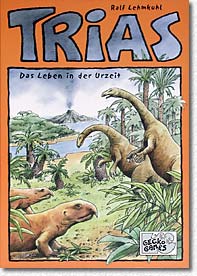
  1. TriasTrias

    Auf Anregung von Andrea fingen wir mit diesem Spiel unseren Spielabend an: Wir waren
    diesmal nur zu viert und hatten vor einer Woche dieses Spiel zu fünft gespielt. Jetzt bot
    sich die günstige Gelegenheit, unseren bisherigen Eindruck verifizieren, dass sich das
    Spiel mit vier Spielern viel besser spielt als mit fünf. Und so war es auch.

    Zu fünft ist das Spiel ziemlich undurchsichtig. Man kann nichts richtig planen. Bis man
    wieder an der Reihe ist, haben vier Mitspieler mindestens vier Erdmassen verschoben,
    sechzehn Bewegungen oder Vermehrungen durchgeführt, neue Allianzen gebildet oder
    gekündigt und die eigenen Pläne sind oft genug buchstäblich ins Wasser gefallen.

    Bei vier Spielern sind die jeweiligen Veränderungen zwischen zwei eigenen Zügen nicht so
    krass. Außerdem hält sich die Anzahl der wechselnden Allianzen in überschaubaren Grenzen.
    Für strategische Ambitionen sind bei Trias vier Spieler eine optimale Besetzung.
    Einhellig vergaben alle die Note 8. Es könnte sogar noch etwas mehr werden.

    Es gab keine spektakulären Ereignisse. Moritz und Andrea setzen sich konsequent durch und
    wurden mit gleicher Punktzahl Sieger. Einen Punkt dahinter folgte Aaron, dem ich in der
    Anfangsphase gleich zweimal drei Herden ins Wasser hatte plumpsen lassen. Diese kleinen
    Aggressionen hatten sich nicht gelohnt. Trotz Erfolgen in der Schlussabrechnung wurde ich
    Letzter.

    Wir Westparker haben das Spiel schon in zwei Session-Reports beschrieben. Deshalb
    verzichte ich hier auf Regelhinweise. Ich möchte eher ein paar Tipps für erfolgreiche
    Spielweisen anführen:

    1. Lass keinen Mitspieler einfach aus purer Schadenfreude in Wasser fallen. Solche
      kleinen Bosheiten schaden ihm keineswegs so sehr, wie du das vielleicht erhoffst. Es
      kostet ihn nur einen einzigen Bewegungspunkt, drei Herden auf einmal zu retten. Und
      zugleich kann er damit alle drei Herden bewegen. Im Netto-Effekt könnte das für ihn sogar
      von Vorteil sein. Er wird einen solchen Spielzug von dir aber auf jeden Fall aber als
      Aggression vermerken und bei Gelegenheit mit gleicher Münze, aber ggf. zu deinem größeren
      Nachteil zurückschlagen.
    2. Wenn du ins Wasser gefallen bist, versuche nicht unbedingt deine Herden zu retten.
      Wenn sie sich nur auf Felder mit begrenzten Ausbreitungsmöglichkeiten retten können, lass
      sie lieber ersaufen. Wenn du auf einer Insel sowieso nur bestenfalls Dritter werden
      kannst, erbst du keine Punkte dafür.
    3. Versuche nicht, in möglichst vielen Gebieten langfristigen Einfluss zu bekommen,
      versuche nicht möglichst viele Eisen im Feuer zu haben. Du kannst nicht überall
      dominieren. Es lohnt sich nur dort sich zu engagieren, wenn du Erster oder Zweiter sein
      (und bleiben!) kannst.
    4. Achte auf kleine taktische Aktionen, die sich sofort in Siegpunkte umsetzen lassen.
      Mach dich sofort an das Entstehen-Lassen einer Insel, wo du eine Mehrheit besitzt. Lieber
      eine kleine reale Insel mit deiner Mehrheit darauf als eine große imaginäre Insel, deren
      Entstehung noch nicht überschaubar ist, wo die Mehrheiten noch nicht gesichert sind, und
      wo dir dann deine Mitspieler doch noch entscheidende Brocken herausbrechen können.
    5. Gönne dann, wenn du eine Insel entstehen lässt, auch mal einem Mitspieler die
      Mehrheit darauf. Arrangiere dich mit ihm über die aktuellen und die zukünftigen
      Mehrheitsverhältnisse. Verpflichte ihn, auch mal einen für dich günstigen Zug zu tun.
      Trias lebt von guten Zügen, die man füreinander tut, nicht von schlechten, mit denen man
      sich gegenseitig schadet.
    6. Wenn Inseln entstehen, achte genau auf die Positionen der Mitspieler und ihre
      Ausbreitungsmöglichkeiten. Minderheiten, d.h. Spieler die nur mehr oder weniger zufällige
      ebenfalls geringe Anteile an einer Insel bekommen haben, dürfen keine Zugänge zu den
      fetten Weiden bekommen, wo die Mehrheiten gebildet werden.

    Wenn ich hier solch kluge Ratschläge von mir gebe, dürft Ihr mich natürlich fragen,
    warum ich dann Letzter geworden bin? Nun ja, ich habe mich eben nicht an diese Weisungen
    gehalten. Ich bin erst durch Schaden klüger geworden.

    Ich wollte zunächst mit Aaron eine traditionelle Zusammenarbeit aufleben lassen. Dann
    trat Andrea mit verheißungsvollen Annäherungen an mich heran. Denen konnte ich nicht
    widerstehen. Und immer lockt das Weib. Aber das ist eine andere Geschichte.

    Walter

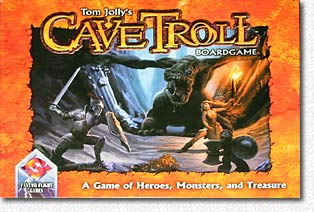
  2. CavetrollCavetroll

    Immer wieder lasse ich mich dazu verleiten, eines der Spiele von “Fantasy Flight
    Games” zu kaufen, immerhin eine der profiliertesten amerikanischen Spielehersteller
    (he, sie können sich Reiner Knizia leisten). Besonders gespannt war ich auf dieses neue
    Spiel von Tom Jolly (“Wiz War”, “Drakon”), dessen Spiele sich durch
    einfache Regeln und hohen Spaßfaktor auszeichnen.

    “Cavetroll” sieht zuerst aus, wie ein 08/15-Fantasy-Spiel: In einem Dungeon
    versuchen Abenteurer, möglichst viele Schatzräume zu besetzen. Beim Spielen merkt man
    allerdings, dass sich das Ganze mehr wie “El Grande”-Light spielt, als das
    übliche Fantasy-“Kampfwürfelspiel” (was schon mal damit anfängt, dass es keine
    Würfel gibt). Wäre das Spiel in Deutschland erschienen, wäre das Thema vielleicht
    Bohnenfelder oder ähnliches, und es würde sich (fast) genauso spielen…

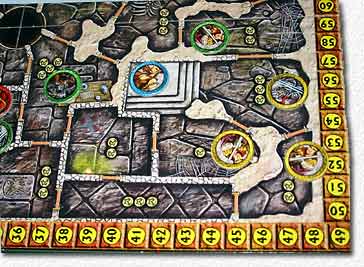
    Das Dungeon ist auf einem (winzigen) Spielplan abgebildet, die Räume haben
    Schatzpunktwerte von 1-5. Jeder Spieler hat die gleiche Anzahl von Countern mit
    verschiedenen Figuren: Diese teilen sich in Abenteurer, Monster und Spezial-Counter auf.

    Abenteurer erscheinen auf einem der 4 “Treppenfelder” und bewegen sich dann
    ins Verlies hinein (jede Bewegung, auch das Einsetzen, kostet einen Aktionspunkt, von
    denen jeder Spieler 4 pro Runde hat).

    Monster erscheinen in einer Grube in der Mitte des Spielplans, und bewegen sich von dort
    aus.

    Schließlich gibt es 1) einen “Artefakt”-Counter, der das Ziehen eines der
    Artefakte erlaubt. Diese bringen einmalig bestimmte Sondereigenschaften, auf die man auch
    verzichten kann, um am Schluss Bonuspunkte zu bekommen. (Effektiv habe ich bei drei
    Spielen NIE erlebt, dass eines dieser Artefakte eingesetzt wurde) 2) einen
    Schatz-Counter, der beliebig in einem der Räume platziert werden kann, um dessen Wert um
    4 zu erhöhen 3) einen Wertungs-Counter, der sofort eine Wertung auslöst.

    Cavetroll Die Wertung funktioniert wie bei vielen anderen Spielen:
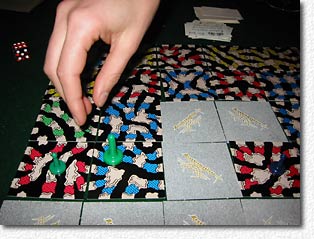
    Für jeden besetzten Raum erhält man die angegebenen Punkte, vorausgesetzt man hat
    die eindeutige Mehrheit oder ist allein (maximal 5 Abenteurer/Monster können sich in
    einem Raum aufhalten). Die Punkte werden sofort auf einer “Kramerleiste”
    markiert (mit viel zu großen, vollkommen untauglichen dreieckigen Markern). Am
    Schluss des Spiels (wenn einer der Spieler seinen letzten Counter gezogen hat),
    findet noch eine letzte Wertung statt, der Spieler, der die letzte Wertung auslöste,
    erhält noch einmal 3 Bonuspunkte (warum eigentlich?).

    Natürlich wäre dies kein Fantasy-Spiel, wenn nicht fast alle Abenteurer und Monster
    Spezialeigenschaften hätten: So kann die “Diebin” zu jedem beliebigen Feld
    springen, der “Barbar” zählt doppelt, der “Ritter” tötet Orks und
    blockiert Räume. Auch die Monster haben es in sich: Der “Ork” frisst als Aktion
    je einen Abenteurer, der “Geist” verscheucht sie stattdessen. Der stärkste (und
    irgendwie auch langweiligste) ist der “Cavetroll”, der einfach alle Abenteurer
    und Monster aus einem beliebigen Raum vertreibt, und diesen fürderhin blockiert und
    allein besetzt (man nennt ihn spontan “Atombombe”).

    Da jeder Spieler seine Aktionen beliebig verteilen kann, ist es möglich, eine Figur 4mal
    zu bewegen, zwei Figuren 2mal, oder auch einfach 4 Counter zu ziehen und einzusetzen.
    Dadurch ist es auch möglich, dass nicht alle Spielerwertungen durchgeführt werden, da das
    Spiel schon von einem Spieler beendet worden ist, bevor die anderen Spieler ihren
    Wertungsmarker gezogen haben.

    Wie ist das Spiel nun?

    Abgesehen von der vollkommen unpraktikablen Ausstattung (der Spielplan ist
    unübersichtlich und viel zu klein für die Counter, ständig verdecken diese die Werte der
    Räume, was mehrmaliges Nachgucken erfordert) ist dies vor allem ein insgesamt recht
    unbefriedigendes, aber leidlich unterhaltendes Glücksspiel. Letztlich gibt es nur eine
    gute Taktik: Punktmaximierung wenn man dran ist (seine Abenteurer mit 4 Aktionen so
    ziehen, dass sie möglichst viele Punkte bringen), und hoffen, dass der Wertungsmarker im
    richtigen Moment gezogen wird (am besten direkt nach dem man dran war – was natürlich
    überhaupt nicht kontrollierbar ist). Sehr oft passiert es, dass der Wertungsmarker,
    gerade bei 4 Spielern, kurz aufeinander folgend gezogen wird. Dadurch wird ein Spieler
    nach vorne katapultiert, ohne dass die Anderen eine Chance haben, etwas für sich selber
    zu tun – sie waren einfach noch nicht dran, und müssen tatenlos zusehen, wie der
    Punktabstand größer wird.

    Die beste Planung nützt nichts, wenn der Cavetroll erscheint – der macht einfach alles
    platt. Gegen Ende des Spiels, wenn’s eng im Dungeon wird, kommt etwas Spannung auf,
    und das Spiel wird sogar richtig fies (und Kingmaker-mäßig). Dann hängt auch viel von den
    gezogenen Countern ab: Zieht man am gegen Ende nur Abenteurer, schaut man doof aus der
    Wäsche, denn diese bringen dann nun wirklich gar nichts mehr, wenn das Spiel schon von
    Trollen, Rittern und Geistern dominiert wird.

    Die Interaktion der einzelnen Figuren ist eigentlich sehr nett, leider wurde, wie oft
    bei amerikanischen Spielen, der Glücksfaktor recht hoch angesetzt, was kaum verständlich
    erscheint, könnte das Spiel doch bei einigen Regeländerungen doch sehr an Strategie
    gewinnen.

    Zum Beispiel fiel uns sofort folgende Regelvariante ein: Alle Spieler ordnen selber die
    eigenen Counter vor dem Spiel in beliebiger Reihenfolge an, wobei nach jedem Counter mit
    Spezialfähigkeit immer ein Abenteurer kommen muss. Hier kann man sein Spiel dann auch
    richtig planen und eine längerfristige Strategie entwickeln, die dem Spiel in seiner
    jetzigen Form vollkommen fehlt…was schade ist, denn eigentlich ist die Idee ja wirklich
    recht lustig.

    Moritz

    Momentane Wertung: 4.71

  3. The Maze Of IshtarMaze of Ishtar

    Es gibt populäre Fantasy-Spiele (“Herr der Ringe”, “Magic”). Es gibt
    weniger populäre, aber trotzdem gute Fantasyspiele (“Magic Realm”, “Divine
    Right”). Und dann gibt es total obskure Fantasy-Spiele, herausgegeben von kleinen
    Selbstverlagen, die manchmal gut, manchmal schlecht sind.

    “The Maze of Ishtar” gehört der “extrem obskuren” Kategorie an –
    dieses Spiel kennt wirklich fast niemand. Und es ist noch nicht einmal ein echtes
    Fantasy-Spiel – eigentlich ist es eher eine Variante vom “Verrückten Labyrinth”
    (aber auch das hatte aufgesetzte Fantasy-Elemente, und ist ja bekanntermaßen gar nicht so
    schlecht).

    Worum geht’s? Die Spieler verkörpern Magier, die irgendeinen Klischee-Fantasytest
    bestehen müssen: Durch eine Höhle sollen sie laufen, die erst im Verlaufe des Spiels
    erforscht wird, und 4 Gegenstände einsammeln, von den 4 Ecken des zusammengesetzten
    Spielplans. Dann sollen sie den Obermagier in der Mitte besuchen, und das Spiel gewinnen.

    Die Labyrinthplatten sind extrem komplex: Jedes viereckige Feld hat 3 Ausgänge pro Seite
    (insgesamt 12), die sich entweder mit dem Nachbarfeld verbinden, oder auch nicht. Auch in
    dem Feld selber sind nicht alle Gänge untereinander verbunden. Man hüpft mit seiner
    Spielfigur von Sandbank zu Sandbank (die Tunnel sind angeblich mit magischem Wasser
    überflutet), wobei man auch hin- und her springen darf. Bewegt wird sich, man ahnt es
    schon, mittels eines Würfels – sicherlich das unbefriedigendste Element des Spiels.

    Maze of Ishtar Jedem Spieler steht noch ein “Explorer”
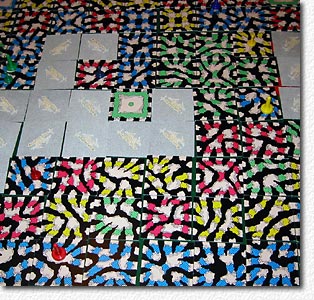
    zur Seite, ein kleiner Geist der durch Wände gehen kann, und der dazu eingesetzt
    wird die anfangs verdeckten Labyrinthplatten zu erforschen. Für jede erfolgreiche
    Erforschung erhält man eine der wichtigen Zauberkarten. Mittels dieser Karten können
    die Labyrinthplatten gedreht werden, was extrem wichtig ist, denn natürlich sind
    viele Wege anfangs einfach verbaut, und müssen erst durch Drehungen geöffnet werden.
    Es gibt dutzende Varianten dieser Karten, denn auch die Labyrinthplatten kommen in 4
    verschiedenen Farben. Manche Karten drehen nur eine Farbensorte, andere nur die, auf
    denen die eigene Hauptfigur steht, andere nur die, auf denen feindliche Figuren
    stehen, andere nur die, auf denen der eigene Explorer steht, usw.

    Steht eine eigene Figur zwischen zwei Labyrinthplatten, darf keine dieser Platten
    gedreht werden – gerade zu Ende des Spiels wird dies sehr wichtig, denn natürlich
    versuchen die anderen den “Leader” zu blockieren.

    Da die Zauberkarten nur bei der Erforschung eines NEUEN Labyrinthfeldes gezogen werden,
    ist ihr Vorrat begrenzt, und man muss sich die Bewegung seines Explorers schon gut
    überlegen, um möglichst viele Karten zu ergattern (zum Spielgewinn essentiell).

    Leider gibt es auch einige sehr ungerechte Karten: So kann man mit manchen Sprüchen Züge
    anderer Spieler stehlen, oder eigene zusätzliche Züge in die Reihenfolge einschmuggeln.
    Wenig überraschend hatte unser Gewinner, Aaron, viele dieser Karten.

    Maze of Ishtar Die absolut schwachsinnigste Karte zwingt den
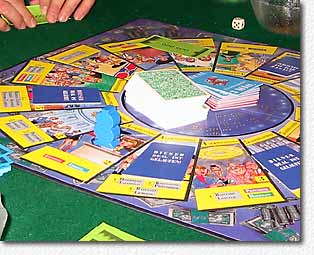
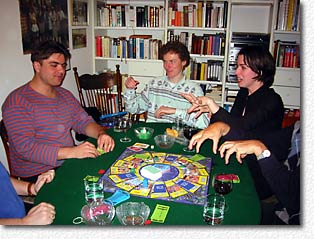
    ziehenden Spieler, 2 Runden auszusetzen (alle anderen Karten sind nur positiv).
    Walter bemerkte richtig, dass keiner ihn zwingen würde, zu sagen, wenn er diese
    Karte gezogen hat (denn diese werden geheim gezogen), also entschlossen wir uns
    spontan, diese unfaire Regel wegzulassen. Ein- oder mehrmalig diese Karte zu ziehen,
    kommt einem verlorenen Spiel gleich – und man hat nicht den geringsten Einfluss
    darauf.

    Der interessanteste Aspekt dieses letztlich unvollkommenen Spiels ist der Spielplan
    selber, der verwirrend wie ein Bild von Escher ist (Erinnerungen an GLEBDO werden
    wach…). Die Spieler bringen langsam eine Ordnung hinein, was ganz hübsch ist. Sich
    linear fortzubewegen ist nur mittels der richtigen Drehkarten möglich, aber dann relativ
    einfach einzufädeln. Wirklich kopfzerbrecherisch wird es, wenn man die Mitte des großen
    Spielplans erreichen will, hier wird das Spiel dann zu einem echten Labyrinth.

    Das Würfeln zur Bewegung ist sicherlich doof – gerade wenn man mehrmals hintereinander
    eine 1 würfelt. Der Mechanismus soll eigentlich nur verhindern, dass man sich ständig auf
    die Zwischenfelder stellt, um Drehungen zu verhindern (gerade oder ungerader Wurf: man
    kann ja hin und her springen). Besser wäre es, man würfelt einfach ob man sich 5 oder 6
    Felder bewegt – Das würde das Spiel darüber hinaus auch ungemein beschleunigen!

    Das Rennen ist nicht ganz unspannend, daher kann das Spiel schon die 2 Stunden Dauer
    unterhalten. Insgesamt bleibt aber der Eindruck eines unfertigen Designs, dem einfach
    sinnlos irgendwelche Ereigniskarten aufgepfropft wurden, die man nicht wirklich
    ausbalanciert hat. Warum amerikanische Spiele immer wieder diesen grundsätzlichen
    Designfehler machen, bleibt eine Geheimnis…

    Moritz

    Momentane Wertung: 4

Spielbericht und Review vom 19.03.2003

Spielbericht und Review vom 19.03.2003

Autor: Walter

am Tisch: Andrea, Thomas, Moritz, Günther, Aaron und Walter

auf dem Tisch: Kohle, Kies & Knete, Mogul, Das Amulett

  1. Kohl, Kie$ & Knete Kohle, Kies & Knete

    Ein wirklich gutes Verhandlungsspiel. Eine gelungene Mischung von Taktik und Glücksspiel.
    Hervorragende Spielmechanismen. Selten hat man bei einem Spiel dieser Art so viel Spaß.
    Jedes Mal waren die Spieler begeistert. Das Spiel verdient die Höchstbewertung.

    Dies ist die einhellige Meinung des Fachpublikums aus dem Internet. Und wie steht es mit
    uns Westparkern? Kurz und beschämt eingestanden: Wir waren nicht in der Lage, das Spiel
    über die Anfangsphase hinaus fortzusetzen.

    Dabei ist der Anfang ganz lapidar. Abwarten und Karten sammeln, heißt hier die Devise.
    Die Summen der Deals, um die es geht, werden ständig höher. Wer erst später einsteigt,
    hat im wahrsten Sinne des Wortes bessere Karten. Am Ende wenige Deals abzukassieren
    bringt mehr ein als gleich zu Beginn viele Deals an sich zu reißen. Irgendwie wurde das
    nicht verinnerlicht. Mehr oder weniger normale Spielabläufe ließen das Gefühl aufkommen,
    auf unlautere Weise zu kurz zukommen.

    a) Den ersten Deal macht Luise als Boss mit Poldie und Ronny. Es geht um 8 MD (Millionen
    Dollar), dabei sind 3 Investoren beteiligt. Die Beute wird gerecht verteilt, d.h. Poldie
    und Ronny bekommen je 2 MD, Luise bekommt 4 MD.

    Wenn ich hier das Wort “gerecht” gebraucht habe, meine ich das absolut
    ernst. Ich würde dafür sogar den Begriff “maximale Gerechtigkeit
    vergeben. Jeder objektiv empfindende Mensch weiß sofort, was darunter zu verstehen ist:
    Alle Investoren bekommen zunächst mal gleich viel, den nicht-teilbaren Rest bekommt der
    Boss. Henny schluckt den ersten Wermutstrophen: sie wurde an der Beute nicht beteiligt.

    b) Für den zweiten Deal bringt Tony als Boss Poldie und Ronny unter einen Hut. Es geht
    um 10 MD und 4 Investoren sind beteiligt. Tony bietet “maximale
    Gerechtigkei
    t” an, alle Beteiligten nicken zustimmend. Der Deal ist gemacht.

    Ohne diese “Gerechtigkeit” explizit definiert zu haben, weiß jeder:
    Poldie und Ronny bekommen je 2 MD, Tony bekommt für seine beiden Investoren je 3 MD. Es
    wird zwar kurz gestutzt, als dabei herauskommt, dass Tony insgesamt 6 MD erhält, aber
    irgendwie war das doch klar. Es kann doch nicht “gerecht” sein, dass
    Tony als Boss mit seinen beiden Investoren nur 4 MD erhält und die beiden stillen
    Teilhaber 6 MD, oder?

    Henny erhebt Einspruch: Der Deal sei nicht ordnungsgemäß. Für sie hätten die einzelnen
    Quoten explizit genannt werden müssen. Ihr Einspruch wird zurückgewiesen. Henny schluckt
    den zweiten Wermutstropfen.

    c) Den dritten Deal bringt Ronny, der direkt neben Tony sitzt, mit ihm ganz schnell und
    unkompliziert unter Dach und Fach. Bevor erst groß palavert wird, haben sich beide über
    die Verteilung geeinigt. Henny versuchte zwar mit verlockenden Angeboten Ronny zum
    Umschwenken zu überreden – erfolglos: der Deal wird verkündet.

    Wieder erhebt Henny Einspruch. Irgendwie hatte sie nicht aufgepasst oder es war ihr
    entgangen, wie reibungslos die beiden Sitznachbarn die Kohle unter sich verteilt haben.
    Natürlich bekommt sie wieder kein Recht.

    Was soll dieses ständige Nach-Tarocken? Es ist doch weltbekannt, dass die kleinen
    billigen Deals des Anfangs keine Spiel entscheidende Bedeutung haben. Wer seine Karten
    behält, kann damit später umso höhere Summen einstreichen. Warum reagiert Henny nur so
    aggressiv? Nach ihrem Eigenverständnis aber muss sie gleich den dritten Wermutstropfen
    hintereinander schlucken. Ihr Maß ist voll.

    d) Poldie macht keinen Deal sondern kassiert mit seiner Priorität drei Einflusskarten.
    Öl in die Wogen?

    Kohle, Kies und Knete e) Jetzt ist Henny am Zug. Sie würfelt. Tony zieht für

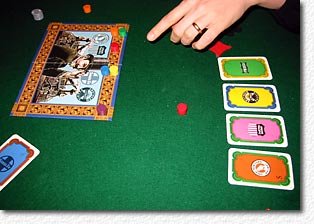
    sie den Marker entsprechend dem Würfelergebnis um drei Felder nach vorne. Dabei wird
    den Regeln gemäß das Feld übersprungen, auf dem bereits ein Deal abgeschlossen war.

    Henny versucht den Deal zu machen. Luise nimmt ihr mit der “Ich bin der
    Boss
    “-Karte den Deal weg, aber Henny erobert sich mit der gleichen Karte den
    Deal zurück. Aber sie bekommt nicht genügend Investoren zusammen. Der Deal platzt.

    Das ist zuviel für sie. Auf einmal entdeckt sie, dass sie auf einem falschen Feld steht.
    Wer hat den Dollarmarker versetzt?” Er hätte auf dem vorhergehenden
    Feld stehen sollen. Sie kann es mit dem Würfelergebnis 3 noch rekonstruieren.

    Dabei hat sie aber übersehen, dass das Feld mit dem abgeschlossenen Deal übersprungen
    werden muss. Heftig und unbeirrt besteht sie darauf, dass jemand den Marker verschoben
    habe muss. Sie habe selber den Marker vorwärts gezogen. Wir können uns nicht darüber
    einigen, ob der Dollarmarker versetzt wurde oder ob er schon immer auf dem – zweifellos –
    regelgerechten Feld gestanden hat.

    Das ist dann doch nicht die Atmosphäre, in der man ein solches Spiel über die Bühne
    bringen sollte. Ich bekunde meine Meinung, wir sollten das Spiel nicht weiterspielen und
    räume die Karten zusammen.

    Who is to blame?

  2. Mogul Mogul

    Immerhin schafften wir es, nach dem Desaster mit Kohle, Kie$ und Knete ganz friedlich zum
    nächsten Auktionsspiel überzugehen.

    Hier geht es darum, Aktienkarten zu ersteigern bzw. zu verkaufen und damit Punkte zu
    erwerben. Wer am Ende die meisten Punkte hat, ist Sieger. Nur die Punkte zählen in der
    Schlussabrechnung, die Aktien im Besitz sind wertlos, die Versteigerungschips auf der
    Hand werden im Verhältnis 1:5 als Siegpunkte addiert.

    Pro Versteigerungsdurchgang wird jeweils eine Aktienkarte aufgedeckt. Die Aktien
    unterscheiden sich durch die Blattfarbe und die Randfarbe. Wer bereits Aktien in
    derselben Blattfarbe wie die aufgedeckte Aktie hat, bekommt Aktie einen Punkt. Nun bieten
    die Spieler reihum. Wer nicht mit bieten kann oder will, steigt aus der laufenden
    Versteigerung aus und nimmt sich alle Chips, die bisher geboten wurde. Wenn er Glück hat,
    kann er 3-4 Chips einsacken. Wenn es dumm läuft, hat gerade der Vordermann die
    Versteigerungschips abgeräumt um man bekommt für das Aussteigen gar nichts. Wer bis
    zuletzt in der Versteigerung übrig bleibt, ist Sieger und darf eine von zwei Aktionen
    ausführen:

    • entweder nimmt er die aufgedeckte Aktiekarte und legt sie offen zu seinen Aktien
    • oder er verkauft Aktien aus seinem Besitz. Dabei dürfen aber nur solche Aktien
      verkauft werden, die die gleichen Blattfarbe besitzen wir die Randfarbe der gerade
      ersteigerten Karte anzeigt

    Jede verkaufte Aktie bringt so viele Punkte, wie insgesamt Aktien dieser Farbe offen
    ausliegen.

    Hat der Sieger der Versteigerung seine Aktion gewählt, darf der Spieler, der am
    zweitlängsten mit geboten hat, die andere der beiden möglichen Aktionen ausführen.
    Manchmal ist es besser, eine Aktie aufzunehmen, manchmal ist der Verkauf besser. Das muss
    jeder Spieler nach seinem bisherigen Versteigerungsergebnissen bewerten.

    Mogul Da die Spieler am Anfang meist noch keine Aktien verkaufen können, ist

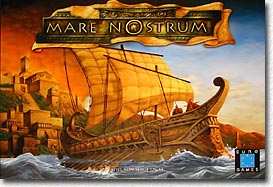
    es in dieser Phase nur lohnend, Sieger der Versteigerung zu werden. Der zweite
    Sieger geht leer aus. Hat man umgekehrt genügend lukrative Aktien zu verkaufen und
    der voraussichtliche Sieger der Versteigerung zeigt deutliche Vorlieben, die
    angebotene Aktien zu erwerben, dann reicht es, in der Versteigerung Zweiter zu
    werden. Vorausgesetzt, der Sieger wählt wirklich die Aktie und möchte einem nicht –
    unter eigenen Verlusten – das Geschäft vermasseln.

    Wer in einer Runde absolut keine Aussicht bzw. keine Ambitionen hat, die Versteigerung
    zu gewinnen, der muss zumindest versuchen, hierbei möglichst viele Fremdchips zu
    ergattern. Lieber ganz frühzeitig aussteigen oder erst gar nicht einsteigen, als mit
    Verlusten undankbarer Dritter oder Vierter zu werden. Bei sechs Mitstreitern kann man
    ganz schön in die “Eigenschwingungen” der Versteigerung geraten, d.h. immer
    wenn man dran ist, hat der Vordermann die Einsatzchips gerade abgeräumt, und man muss mit
    leeren Händen die Segel streichen oder dem schlechten Geld gutes Geld hinterherwerfen.

    Ich hatte einen vorzüglichen Lauf. In keiner Runde musste ich Federn lassen. Entweder
    konnte ich meine Chips vermehren oder eine Aktie aufnehmen bzw. verkaufen. In den ersten
    Runden hatte ich mich situationsgemäß mehr auf das Chip-Kassieren als auf den
    Aktien-Handel verlegt, so dass mein schmaler Aktienbestand bei den Konkurrenten auch
    keinerlei Neid hervorrufen konnte. Als ich dann mit meinen gesammelten Chip-Bestand auf
    den Markt ging, stieg die Konkurrenz relativ schnell aus. Mit gezielten
    “Zweiter-Sieger” Versteigerungen konnte ich meine Kasse gut beieinander halten
    und kam am Ende mit sicherem Vorsprung durchs Ziel.

  3. Das AmulettDas Amulett

    Auch das dritte Spiel des Abends war ein Versteigerungsspiel. Wieder mit einem ganz
    eigenen Versteigerungsprinzip.

    Es geht darum, sieben verschiedene oder acht beliebige Edelsteine zu ersteigern. Sie
    liegen zufällig verteilt auf dem Spielplan von 24 Feldern. Wer die Höchstsumme geboten
    hat, darf sich von dem aktuellen Feld einen Edelstein wegnehmen und den Feldmarker auf
    ein beliebiges Nachbarfeld ziehen, um dessen Steine die nächste Versteigerungsrunde geht.

    Währungseinheit bei den Versteigerungen sind Metallkarten, die durch Zauberspruchkarten
    in ihrer Wirkung noch modifiziert werden. Die Zauberspruchkarten und die Erwerbsanrechte
    für Metallkarten werden ebenfalls ersteigert. Alle diese Mechanismen sind sehr ausgewogen
    und das Spiel läuft ganz rund ab. Für weitere Informationen zum Spiel verweise ich auf
    das Internet. Allein bei Luding sind 30 Links mit Spielbewertungen registriert.

    Eine der Zauberkarten möchte ich vom Design her kritisieren: Sie erlaubt es, von einem
    beliebigen Spieler einen “Energiestein” zu entfernen. Dies ist die einzige
    Karte mit einem negativen Einfluss auf einen Mitspieler. Diese Wirkung ist unsymmetrisch
    und aggressiv. Welchen Spieler soll ich auswählen? Den Führenden? Oder den, bei dem die
    Entfernung eines Energiesteines den maximalen Schaden anrichtet? Oder den, der hinterher
    am lautesten lamentiert? Alles keine Kriterien, die den ansonsten friedlichen Wettstreit
    um die Edelsteine zum Konstruktiven hin fördern.

    Bei sechs Mitspielern ist das Spielgeschehen natürlich nicht ausrechenbar. Wer, wann,
    was, wie hoch ersteigert und erwirbt, hängt von vielen unkalkulierbaren Einflüssen ab.
    Als echtes Wirtschaftsspiel Jeder-gegen-Jeden sollte man sich aber am Anfang bedeckt
    halten und nicht die Missgunst der Konkurrenz erwerben. Im Windschatten der anderen
    lassen sich viel leichter die notwendigen Reserven für den Endkampf ansammeln.

    Ich war in den ersten Runden gleich zweimal ziemlich hoch eingestiegen. Dementsprechend
    fiel ich in der Mittelphase auf einen der hinteren Plätze zurück. Vor dem Endspurt gelang
    es mir, diejenige Zauberkarte zu erwerben, die mir bei jeder Versteigerungssumme um mehr
    als 6 Metallkarten eine davon zukommen ließ. Ganze 5 Runden lang konnte ich von dieser
    Eigenschaft profitieren. Dabei ging es in jeder einzelnen unserer 3-6 Versteigerungen pro
    Runde um mehr als 6 Metallkarten, und insgesamt habe ich auf diese Weise sicherlich 15
    Metallkarten gutgemacht. So konnte ich wieder den Anschluss finden und am Ende – kurz
    nach Mitternacht – sogar etwas überraschend mit 7 verschiedenen Edelsteinen das Spiel
    beenden und die drängelnden U-Bahnfahrer nach Hause entlassen.

Spielbericht vom 12.03.2003

Spielbericht vom 12.03.2003

Autor: Walter, Moritz

am Tisch: Moritz, Günther, Aaron und Walter

auf dem Tisch: Mare Nostrum, Coloretto, 6 nimmt

  1. Mare Nostrum Mare Nostrum - box

    Wieder einmal stellt der antike Mittelmeerraum die Kulisse für eine Auseinandersetzung
    der Anrainerstaaten dar: Babylonier, Ägypter, Karthager, Römer und Griechen streben nach
    der Vorherrschaft. Sie entwickeln ihre Provinzen, bauen Produktionsstätten und Märkte für
    Handelswaren und errichten Städte und Tempel zum Eintreiben von Steuern. Sie breiten sich
    aus, befestigen ihre Stellungen, stellen Heere und Kriegsflotten auf, und fangen
    irgendwann auch mal an, aufeinander einzuschlagen. Bis einer gewonnen hat und das Spiel
    aus ist.

    Eine Siegbedingung ist es, das große Weltwunder “Pyramiden” zu errichten.
    Dafür braucht man braucht man 12 verschiedene Handelswaren oder 12 Steuereinheiten. Das
    ist eine ganze Menge, vor allem unter dem Aspekt, daß diese Mittel quasi in einer
    einzigen Spielrunde erworben werden müssen, da nicht eingesetzte Waren am Ende jeder
    Runde verfallen. Soviel gibt der Wirtschaftsraum eines Volkes in der Regel gar nicht her.
    Die von der Geographie benachteiligten Völker müssen andere Methoden, sprich
    Eroberungszüge, anwenden, um sich die benötigten Ressourcen zu verschaffen.

    Eine alternative Siebedingung ist es, vier kleinere Wunderwerke oder “Helden”
    anzuschaffen. Für jedes dieser Objekte braucht man 9 verschiedene Handelswaren oder 9
    Steuereinheiten. Dies ist schon eher machbar, dauert aber etwas länger, da ein voll
    entwickeltes Volk pro Runde höchstens soviel Wirtschaftskraft entfaltet, um ein einziges
    solches Element zu erwerben. Was an Kraft gespart wird, geht an Weg verloren. Zudem wird
    man natürlich auf diesem Weg von den Konkurrenten argwöhnisch beäugt und nach Möglichkeit
    geschädigt.

    Die Völker besitzen vom Spieldesign her ganz unterschiedliche Ausgangspositionen und
    demnach unterscheiden sich ihre Entwicklungsstrategien:

    Mare Nostrum Agypten kann gleich zu Beginn Städte und Tempel bauen
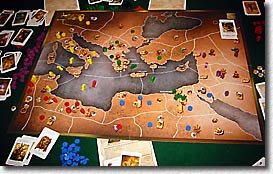
    und kommt schnell zu hohen Steuereinnahmen. Wenn die anderen Völker nicht aufpassen,
    kann es vielleicht sogar relativ kurz nach Abschluß der Aufbauphase in einer
    einzigen Runde 12 Steuereinheiten zusammenkratzen und durch das Errichten der
    “Pyramiden” den alle überraschenden Sieg einfahren.

    Karthago besitzt viele natürliche Ressourcen, Handelswaren zu produzieren. In
    ausgebautem Zustand kann es leicht 15 Handelseinheiten (inklusive Steuern) pro Runde auf
    den Markt bringen. Um damit die Sieg-Pyramde errichten zu können, muß nur die sehr hohe
    Hürde der verschiedenen Handelswaren überwunden werden. Hier obliegt es den Konkurrenten,
    die Vielfalt an angebotenen Tauschwaren begrenzt zu halten.

    Rom und Griechenland können innerhalb ihres natürlichen Ausgangsraumes die Siegbedingung
    für die Pyramiden nicht erfüllen. Zu karg fließen ihre Einnahmen aus Steuern und Handel.
    Dafür besitzen sie Vorteile für kriegerische Unternehmungen. Rom kann für geringere
    Mittel als die übrigen Völker Armeen aufstellen und Griechenland kann billiger Flotten
    ausrüsten, und zudem erhöht jede Flotte die Schlagkraft des Militärs. So können diese
    beiden Völker zunächst nur mit Neid auf die Ertragskraft von Agypten und Karthago schauen
    und sich mit Kriegsspielzeug trösten. Falls die afrikanischen Konkurrenten aber nicht
    schnell genug den Sieg davontragen, sind sie dem kriegerischen Potential der aggressiven
    Europäer unterlegen und müssen aus der Geschichte abtreten. (Es sei denn, die Europäer
    würden sich gegenseitig zerfleischen.)

    Über die Babylonier kann ich zur Zeit nichts sagen, da wir nur zu viert waren und die
    Babylonier lediglich ein statisches Bollwerk auf der Landbrücke zwischen Griechenland und
    Agypten bildeten.

    Moritz führte die Agypter. Systemgemäß baute er seine Städte aus und kassierte damit
    bemüht unauffällig gleich so viel Steuern, daß er für einen Uneingeweihten wie der
    sichere Sieger aussah. Nur weil er in seiner Hochphase gezwungen wurde, einen Teil seiner
    Steuern als Tauschgüter auf den Markt zu bringen, konnte er die 12 Steuereinheiten für
    die Pyramiden nicht beisammenhalten.

    Ich besaß Karthago und entfaltete meine Möglichkeiten zum Welthandel. In meiner
    Hochphase kassierte ich in einer Runde 14 Handelseinheiten. Leider boten mir die
    Konkurrenten hier nicht die benötigte Warenvielfalt, um 12 verschiedene Handelswaren
    eintauschen zu können und als Sieger das Spiel beenden zu können.

    Aaron führte die Römer. Sein wirtschaftliches Wachstum war designgemäß begrenzt. Aber
    rechtzeitig hatte er seine Armeen und Flotten soweit ausgebaut, um einen erfolgreichen
    Angriff auf das beneidete Karthago auszuführen und damit meine Siegeschancen zu
    eliminieren.

    Mare Nostrum - board Günther führte die Griechen. Auch er hinkte
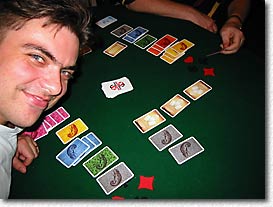
    mit seinem Bruttosozialprodukt den anderen hinterher. Immerhin bot sein Griechenland
    genügend Raum für Städte, die nicht unerhebliche Steuereinnahmen garantierten. Als
    Günther nach der Aufbauphase sein gesamtes Runden-Einkommen in Militär und
    Flotteneinheiten investierte, war es mit der Seelenruhe der agyptischen Millionäre
    vorbei. Günther brauchte bloß noch mit Rom einen Nichtangriffspakt zu schließen, um
    ohne Risiko seine gebündelten Streitkräfte in Ägypten einfallen zu lassen und Kairo
    einnehmen zu können. Die zusammengefaßten Steuereinnahmen von Griechenland und den
    eroberten Teilen von Ägypten reichten in der nächsten Runde zur Finanzieren der
    Pyramiden und damit zu Sieg. Moritz war mal wieder fassungslos.

    Wie funktioniert Mare Nostrum? Es sollte eine spielzeit-verkürzende Version von
    Civilization sein, aber der Spielecharakter, insbesondere die Interaktion der sich
    ausbreitenden Völker untereinander hat sich total verschoben. Es ist eher wie der
    Aufmarsch beim Golfkrieg, lang und von Drohgebärden gekennzeichnet, ohne wirkliche
    militärische Auseinandersetzungen. Wenn der Krieg dann losbricht, ist die Schlacht auch
    schon vorbei.

    Die einzelnen Phase laufen mehr oder weniger für jeden automom ab. Jeder entwickelt
    seine natürlichen Ressourcen für sich. Vereinfacht ausgedrückt: Agypten baut Städte,
    Karthago entwickelt Märkte, Rom stellt Armeen und Griechenland stellt Flotten auf.
    Reibungsflächen beim Ausbreiten gibt es nicht, lediglich die begrenzten Spielvorräte an
    Städten, Märkten, Karawanen oder Tempeln sorgen für Konflikte. Falls Ägypten oder
    Karthago unmittelbar nach der Aufbauphase keine Sudden Death herbeiführen können,
    schlagen Rom und Griechenland militärisch zu. Kurz und unerbittlich. Unmittelbar danach
    wird einer von beiden das Spiel als Sieger beenden. Etwas zu zwangsläufig für ein
    wirklich gutes Spiel.

    Gesamt-Wertung der Westpark-Gamers: 6,3

  2. Coloretto Coloretto - box

    If we have any claim to fame than it is this: We don’t know the author of the game,
    but we know the guy who invented the name for this game!!

    This is true: Sebastian Herzog from the “Spuiratzn” gaming group proposed
    the name “Coloretto” for this light-hearted rummy-like card game, and
    promptly was selected, acquiring a number of games as part of the prize!

    But is the game any good?

    Well, friends of “quick and easy, but fun” card games may rejoice, as this
    is certainly a winner in this respect. It is not the deepest of games, but can be a
    satisfying filler or closer for an evening of games.

    What is it about?

    Basically you try to collect cards of the same color – 1 gives 1 point, 2 give you
    3, 3, give you 6 points up to 6 equal cards, which give you whopping 21 points. There are
    9 cards pro color, so collecting colors that other players collect already will not bring
    you far.

    The problem is: At the end of the game only 3 card columns count – the other
    collected columns will count NEGATIVELY. So you want 3 different kinds of cards, and
    avoid all the rest. There are joker cards and simple 2 point cards, which spice things up
    a bit.

    As many rows as there are players will be started in the middle of the table. Each
    player, when it’s her/his turn, has two possibilities: draw a card and place it in
    one of the rows (the limit for one row is THREE cards), OR take a row which contains at
    least one card and pass for the rest of the round. When all players have finally taken
    1-3 card rows the round ends and the player to take last starts a new round. Before the
    final 15 cards of the deck rests the END card, when it is drawn it announces the last
    round. Now the collected card columns values are added as described above. A full game
    consists of 4 small games, the final scores are added to determine the winner. A small
    game takes about 10 minutes, a full game will therefore be finished under 45 minutes.

    Coloretto Of course the deal is: avoid certain cards, amass others. The
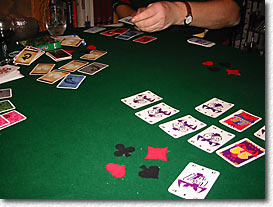
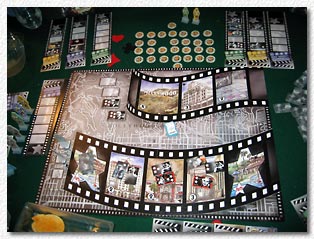
    problem is, you always have to take FULL rows, and the other players will usually
    make certain that they don’t put cards together that suit one particular
    player well, so you very often end up with cards you don’t want. Sometimes it
    is even better to take only one or two cards and drop out early in the round,
    especially if this strengthens your good colors.

    Invariably you will end up with more colors than you asked for, and you might even
    switch to collecting another color in the middle of the game. You constantly have to
    watch what cards the other players might take- if you play too destructively there is
    always the danger that you’ll have to take a row you don’t want to take!

    Being the last one in a round can be both a curse and a blessing: you might want to
    continue drawing cards from the deck undisturbed, but it is a gamble – they might
    be good or bad. The luck factor comes in through this, but not annoyingly so.

    What remains is a quick and enjoyable card game with some tactics and little to no
    strategy (apart of watching which colors are depleted and which are “still in the
    deck”), which will appeal to gamers and non-gamers alike.

    On a curious side note: The game contains weird looking empty cards that don’t fit
    into the game concept. And yes, they have nothing to do with “Coloretto”!!!

    They are indeed a kind of expansion set for a completely DIFFERENT game of the same
    company (Knatsch). This is certainly a new marketing ploy: Don’t offer an expansion
    that is too lightweight to be sold on it’s own, just add it to another game and
    hope gamers will buy that.

    Truly weird!

  3. Coloretto AND 6 nimmt

    This evening saw a truly ground-breaking experiment, that certainly will astound gamers
    all over the world and open new realms of gaming possibilities. As Walter left Coloretto
    in the middle of the game, just to come back with a late house guest, we hadn’t
    finished “Coloretto” yet with 3 players. Walter wanted to show his guest our
    old favourite “6 nimmt”, so a new game was started. But we wanted to finish
    “Coloretto” as well, but the last subway was close and little time left.

    So….WE PLAYED BOTH GAMES AT ONCE (documented, I hope, by Aaron’s photo).
    6 nimmt + Coloretto

    A truly mind-boggling experiment that shows to what lengths the Westpark gamers will
    risk their physical and mental health to bring you these game accounts.

    So, a new META-game was created, which we shall call 6 COLORETTO NIMMT!

    After selecting a card for 6 nimmt there usually is some downtime…which then was used
    to continue the game of Coloretto. Never a moment of boredom, the usual “waiting for
    Godot” syndrome was completely avoided. One can envision future gamers playing
    increasingly more games in shorter spaces of time – a long game of
    “Civilization” could profit from simultaneous rounds of “Bluff” and
    “Hare & Tortoise”, for example, just to lighten things up. If you think
    about it, some games are so boring they seem to be DESIGNED for simultaneous play.

    This is just the beginning… a new era is about to dawn!!!!

    Check these pages for future, similarly mind-blowing experiments….

Westpark Spielbericht & Review – Traumfabrik/Fabrik der Träume

Traumfabrik – Fabrik der Träume

Mit Feuereifer lud Peter zu einem zweiten Abend in die “Traumfabrik”
(“Fabrik der Träume”) ein. Die WPG-Wertung von der Vorgänger-Session
[Link] lag mit einer Traumnote 8.8 nur um 0.1
Punkte unter unserem Namensgeber “1830“. Dabei
handelt es sich doch nur um ein simples Versteigerungsspiel. Keine großen Strategien,
keine rätselhaften Abenteuer, keine tödlichen Gladiatoren-Kämpfe, lediglich trivialer
Geldeinsatz zum Anwerben von Personal für die Realisierung von Filmprojekten.

Allerdings kann dabei jeder sein eigenes Süppchen kochen und durchaus eigene Ziele
verfolgen.

  1. Mit der “imaginären Moritz-Strategie” gibt man in den Versteigerungen
    überhaupt KEIN GELD aus. Man hält alle seine Groschen eisern zusammen, sammelt dazu noch
    die Tribute der Gegner ein und legt das ganze am Ende als Siegespunkte auf den
    Tisch.
  2. Mit der “realen Moritz-Strategie” realisiert man im Handumdrehen durch
    zwei, drei gezielte Geldspritzen seine ERSTEN beiden Filme und kassiert dafür die
    Premieren-Prämien. Im weiteren Spielverlauf hält man sich konstruktiv bedeckt und betet,
    dass man von keinem Mitspieler mehr überholt wird.
  3. Mit der “Peter-Strategie” geht man auf SCHAUSPIELER aus. Man ersteigert in
    der ersten Runde das Feld mit meisten Schauspielern, erwirbt damit an den Party-Ecken
    über das “Recht der ersten Auswahl” jeweils den besten Mitarbeiter, und achtet
    konsequent darauf, daß man die Schauspieler Majorität bis zum Ende beibehält.
  4. Mit der “Titanic-Strategie” realisiert man die TEUERSTEN Filme aller
    Zeiten. Alles was Rang und Namen (sprich: 4 Sterne) hat, wird engagiert. Am Ende hat man
    lediglich zwei bis drei Filme fertig, aber die Kinowelt liegt dir zu Füßen. Die
    Oskar-Verleihung wird deine Aktien an die Spitze bringen.
  5. Traumfabrik boardMit der “Aaron-Strategie” versucht man,
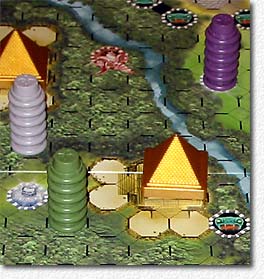
    möglichst VIELE Filme zu produzieren. Mit der Betonung auf Masse wird alles ersteigert,
    was sich verlustfrei in den vorliegenden Film-Projekten unterbringen läßt. Dabei soll man
    sich konsequent von keinem bestimmten Ziel (bester, schnellster, billigster Film) aus den
    Gleisen bringen lassen.
  6. Mit der “Hans”-Strategie OPTIMIERT man bei jeder Versteigerung die
    Quadratur des Kreises. Durch die zweite Ableitung der Summe aller verfügbaren
    Sternenquadrate dividiert durch die dritten Potenzen aller Restguthaben berechnet man die
    optimalen Investitionssummen. Überraschenderweise stolpert man von einem Megafehler in
    den anderen und entrüstet sich dann lauthals über die Unberechenbarkeit des Spieles.
  7. Mit der “Walter-Strategie” versucht man, den BILLIGSTEN Film zu
    produzieren. Man ersteigert grundsätzlich Regisseure und Schauspieler mit den wenigsten
    Sternen und reißt sich als Stargast noch den Knizia unter den Nagel. Wenn alles klappt,
    sollte einem der fünfte Platz nicht zu nehmen sein.

Außer Peter waren wir alle keine Experten in Sachen “Traumfabrik”. Jeder
verfolgte seine eigene Strategie des ersten Anscheines, ohne viele Gedanken daran zu
verschwenden, welcher Blumentopf dabei herausspringen könnte. Zum Glück, denn wenn alle
die wahre, geprüfte und für gut befundene Strategie einschlagen, dann ist Traumfabrik nur
noch ein Versteigerungsspiel. Ein simples.

Mit einer kombinierten Peter-Titanic-Strategie hat Peter übrigens gewonnen.

Game Session Report & Review – 26.03.2003

Game Session Report & Review – 26.03.2003

Author: Aaron

at the table: Thomas, Moritz, Günther, Aaron und Walter

on the table: Anaconda, Keythedral

  1. AnacondaAnaconda cover

    In front of us lies an impressive looking box filled with high quality components –
    obviously this is true Ravensburger style. And someone didn’t really have to bother
    about the production cost of the game either – no wonder: it’s a marketing game of
    Siemens
    Business Services about finding “e- and m-business cards” as Siemens puts
    it.

    Well, marketing games do not have the best reputation in terms of game design and the
    game designer (or rather design team) “Funtasy Factory” only comes to mind for
    their not so well received card game “Der Schuh des Manitu” – a merchandising
    product for the hilarious, and very successful, German film of the same title.

    This in mind we studied the rule book with mixed feelings and learnt that each player
    represents an expedition team in the deep jungle near the Anaconda Valley and that their
    goal is to collect two mysterious, golden “future stones”, the jokers
    (referring to the stones, not the design team). Rather surprisingly, the Anaconda Valley
    depicted on the board is “off limits” and cannot be entered but our search for
    some logic in this story was going to be challenged even more.

    Unfortunately, the expeditions have lost all but one item of their high-tech equipment
    that will successfully guide them through the valley and help them in case of emergencies
    in this adverse environment. Luckily, the game designers created a set of rules that
    allow expeditions to regain pieces of equipment: each of the lost items as well as the
    joker is located in one of the seven Maya temples placed on the board. And there is a
    card deck holding each item twice and its top card tells the players the item to search
    for next. To make things easy each player is allowed to look at the content of three of
    the seven temples before the game commences.

    Anaconda boardSo, off the players go to search for the item, those who already
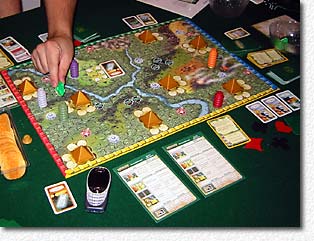
    know the correct temple (and still remember it) rushing into its general direction. The
    motor for the movement turns are cards showing a number of movement points that must be
    spent completely and usually 2 directions an expedition may move into and each player has
    a hand of 7 movement cards. Some cards allow movement in all four directions (diagonal
    movement is never permitted) or allow rolling one or two dice to determine the number of
    movement points. In addition there are teleport fields on the board that enable players
    to travel long distances in one turn.

    Some of the movement cards carry a symbol indication that the expedition has encountered
    an additional challenge described on an event cards to be drawn. The challenges all
    require the usage of 2 of the high-tech items in order to be completed successfully. For
    example, one of your expedition team members suffers from diarrhoea and you need your
    “analysis device” to search for the cause and call a doctor with your
    “cell phone” to ask for a cure. If you have both items you get the advantage of
    regaining energy points or the like, if you only own one of the items you can still ask
    another player who has the item to use it for you, usually providing a benefit for both
    players. Only if you don’t have either of the items needed do you have to perform an
    action which helps the other players or hinders all (like changing the position of two
    temples).

    Tactically, it doesn’t make a lot of sense to chase for items whose temple position
    you don’t know since you are running the risk of finding the wrong item and loosing
    energy points as a consequence. And the challenges described on the event cards
    aren’t really a problem, even if you do not own any of the items asked for. This of
    course is not true the joker item. As with any other item there are also only two such
    joker cards in the game. And to win the game a player must possess both joker stones!
    Inevitably, each player will rush to the temple holding the joker once this card is at
    the top of the item deck. Those who know the correct location will do this on a more or
    less straight path; the others are left with the task to determine where everybody else
    is rushing to.

    Once the second joker has been collected there is no real need anymore to collect the
    remaining items as the endgame now begins (the designers luckily became aware of this and
    split the item card deck in two parts to be played in sequence – each part holding one
    “joker” card).

    We found that the endgame is rather broken. Most of the time two players possess one
    “joker” each, finding themselves in the position to hunt down each other to
    acquire both. Leaving the other players aside, this task in its own is quite ridiculous.
    To get the stone from the other player one has to attack that player by moving on the
    same space the player currently is on. This may take a while due to the movement cards
    and the requirement that you spend all your movement points on the card. But once this
    has been achieved the odds of the attacker to win the fight are only 25% making it very
    unattractive to attack someone in the first place. The looser of a fight has to
    relinquish the joker stone to the other player (or any other item if he doesn’t
    possess the stone). How on earth this game can be completed within 45 minutes without
    players giving up by just attacking the other stone-carrier and most likely loosing their
    own stone that way is beyond me.

    Anaconda board Anyway, Günther and I, both carrying a stone came to the
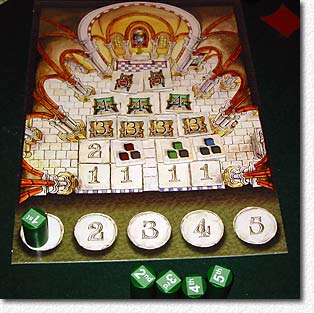
    conclusion that to end the game it is required to fight and, hence moved towards
    each other. Eventually, Günther was in the position to attack and to no ones
    surprise lost his stone to me. On my next turn I performed what should have been my
    winning move by moving onto the “Anaconda Valley Exit” field. Here the
    last and final challenge is waiting: a randomly drawn card shows three items and
    asks for the identification of the corresponding Maya temples. While I was
    absolutely sure about two of the temples I had some doubts about the last item.
    Walter pointed me towards the temple he thought was correct (just to end the game I
    guess) and I chose that one – only to find that it was the wrong one! As a
    consequence I lost both stones which were placed on the base camp fields and my
    expedition was moved away far enough to have no chance of regaining them in the next
    moves.

    Thomas and Günther grabbed one stone each in their next turn and Moritz performed what I
    would call the best Anaconda tactical move possible: he moved his expedition onto the
    exit field ready to fight with anyone wanting to leave the board. Since he would be the
    defender his chances of gaining a stone was 75% – not bad. Unfortunately, in his next
    turn he had to move away before having been attacked by both “stone carriers”
    and Günther in the end won the game.

    Siemens terms the game quite rightly a “party game”. The story behind the game
    is ridiculous enough to catch the first laughs. And while the game unfolds more and more
    flaws are discovered by the players which can only be endured if no one is willing to
    take the whole thing serious. For strategy gamers Anaconda will be endless and result in
    a stalemate. The best tactical advice on how to win Anaconda is: stay close to the temple
    with the “joker” stone and ignore the other items (but remember their temple
    position!). And most importantly: attack the joker carriers and roll sixes.

  2. KeythedralKeythedral cover

    Following Keywood, Keydom and Keytown this is the fourth game
    of Richard Breese. As with his earlier releases, Keythedral has been published in a
    rather small number of only 600 games and after the success of the earlier games it came
    as no surprise that Keythedral was almost sold out on the first day of publication.
    Luckily, Günther was able to grab a copy in Essen 2002.

    Keythedral comes in the same good production quality as Richard’s earlier games and
    in fact he seems to have been listening to some quarrels about the rule books in the past
    as this time we find a full size booklet with clearly described rules and all the
    important details in a nicely structured way.

    The game board this time is variable and consists of octagon shaped tiles depicting
    different terrain types for five different resources (timber, stone, water, crop and
    wine). Before the game commences four of these tiles (2 stone, 2 timber) are placed next
    to each other yielding a square shape. The little square shaped “hole” in the
    middle is where the cathedral marker is placed. In sequence each player now takes one of
    the facedown tiles and places it along the long side of any of the already placed tiles
    and as a second step places one of his five “cottage” markers at any of the
    available short sides of a tile. The aim here is to place your cottage in such a fashion
    that each of the four sides of the cottage token eventually borders a terrain tile in
    order to have a good choice of resource fields you can send your worker to (who lives in
    the cottage) in the later phases of the game.

    Once the board has been completely set up the player turns begin. Each turn has 4 phases
    and each phase is played for all players starting with the start player. In the first
    phase players select in which order the cottages send out their worker to the fields
    (only one worker is allowed per field), in the second phase players collect the resources
    their workers produced on their fields (each worker/field combination produces one
    resource) and in the third phase players can spend their resources. In the fourth and
    final phase the return to their homes and the next round begins.

    The right to determine the start player of the new round is up for auction – a game
    concept already known from Keytown. The player left to the current start player calls out
    how many resources he wants to spend to get this right followed by the other players who
    have to increase if they want to bid. The current start player is the last to bid and for
    him it suffices to match the current bid.

    Keythedral board In order to win the game, players must collect victory
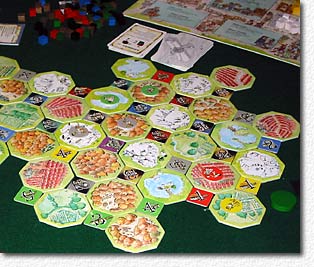

    points. These victory points are stored on a second board showing the interior of
    the cathedral. Here we see 17 tokens, four each in the lower three rows providing 1,
    2 and 3 VPs, then a row of three tokens with 4 VPs and two 5 VP tokens in the top
    row. When the game starts only the lowest row of tokens is placed face up showing
    the required resources to buy each of them. Once a row becomes empty the prices for
    the next row of tokens are revealed. Obviously, the number and value of resources
    required to buy a token increases with its VP value. In fact, only row’s 1 and 2
    tokens can be bought with resources alone while the higher valued tokens require
    goods like glass or even gold.

    All these acquisitions happen in phase three of a turn when players in sequence decide
    what they want to do. The buy options are to acquire a VP token with available resources
    or goods or to trade resources for goods. Other options are to convert a cottage to a
    house (a house can send out two instead of one worker), build a fence to prevent workers
    from other cottages/houses to work on a resource tile, or to demolish a fence. All of
    these build options cost resources, too. Finally, besides passing, a player may buy one
    of the two face down “influential law” action card that are available per
    round. Doing so ends phase 3 of that player. Influential law cards provide a one time
    special ability when used. Once all players have passed phase 3 of the current round
    ends.

    There are a lot of choices in this game, some of them strategic other more tactical.
    Here are a few hints about how to win Keythedral:

    Clever setup

    It’s obvious that you need to place your cottages in such a way that you have access
    to all five resources. Since there will be times when the choices for worker placement
    are rather restricted it is a good idea to have at least 2 cottages bordering each
    resource type. Especially timber and stone are important resources as they are required
    for house and fence building therefore you need to make sure that you have safe access to
    both. Here you should consider that the fields next to the cathedral have one cottage
    less to compete with. Also take into account the seating order and the cottage numbers
    bordering a tile: never place a cottage next to a tile which has already an equally
    numbered cottage of the player to your right next to it. It’s also a good idea to
    have at least timber or stone as a safe field which can only be accessed by you.

    Building houses

    Build your houses as soon as possible to make the best use of them. Remember that the
    game will last for only six to eight rounds. Houses can act as a sort of deterrent to
    other players preventing them from building a house in close vicinity to yours. It’s
    often not worthwhile to build more than three houses as competition usually is very
    fierce on the board.

    Selecting cottage order

    You need to constantly watch the board to determine you “safe” fields as
    opposed to the fields where you are competing with possibly several other players. If
    possible make sure that you select a cottage number which provides you access to one of
    the most competed fields.

    Keythedral board

    Trade early

    Once the 4 VP tokens are turned over you are bound to need gold and/or glass. So
    it’s a good idea to trade these already a round in advance so that you can grab the
    cheapest VP token in that 4 VP row. There’s of course a risk here as you do not know
    for sure which goods will the required but going for gold with a safe income of timber,
    stone and water in the next round will almost certainly get you that 4 VP token. Make
    sure that the start player position is favourable, too.

    Start player position

    Being the start player is quite nice but sitting one or two positions left of him in a
    four or five player game doesn’t really do any harm either. It’s obviously not a
    good idea to sit right to the start player as this will severely limit your options in
    this round.

    Buying VP tokens

    There’s a total of 46 VPs in the game so anything above 12 VPs usually means sure
    victory in a four or five player game. I believe that it is a good strategy to go for the
    low valued VP tokens and then prepare to grab either a 4 VP or 5 VP token to get those 12
    or 13 VPs in total. But watch out what the other players are doing! If they follow that
    same strategy you may want to consider going for two 4VP and one 5VP token instead.

Spielbericht vom 12.02.2003

Spielbericht vom 12.02.2003

Autor: Moritz, Walter, Hans

am Tisch: Andrea, Björn, Hans, Moritz, Peter und Walter

auf dem Tisch: Sticheln, Hase und Igel, Bluff

  1. How to win Sticheln
    Sticheln - box

    Some tips for card management by Moritz Eggert

    “Sticheln” is a simple but strangely addictive trick-taking card game. The
    special trait of this game is that ALL card suits other than the one played are trumps,
    the highest valued trump will win the trick. Another, even more important trait is that
    each player takes one of his cards (all players do this at the same time, secretly) and
    declares this suit his “pain” colour. This means that all tricks that include
    cards of his pain colour taken as a trick during the game count as negative point values
    (in the value of the card, so a “pain” 14 will hurt you a lot! And yes, of
    course there can be several of your pain cards in the trick!). The cards of other suits
    in a trick count as only 1 positive point, regardless of the card value, so
    avoiding tricks is the main issue here.

    It will be clear to everyone that earning negative points will be easier than making
    positive points, so good card management and well-executed play make the day in this
    “more-difficult-than-it-sounds” game…

    Here are some approved strategic tips:

    1. Selecting your pain-colour

      The rules state correctly that it is not good to select a “short” colour
      as your pain colour. I’d say that 3 cards is the absolute minimum for your pain
      colour. Of course you want to take a suit that is rich in low cards (the lowest
      card you play at the beginning as the “pain” card will already count in
      negative points, so you don’t want to select a set that has, say, a “5”
      as the lowest card). And you DO want to have your pain colour available throughout the
      game. A mistake that players commonly do is getting rid of your pain cards as quickly as
      possible. This will leave you in dire straits if your fellow players suddenly decide to
      play a round consisting only of your pain suit, where even the meekest card of another
      suit will take the trick with the “always trump” rule. You want to have a
      lower card of your pain colour available in this case to “undercut” the suit,
      don’t you think?

      Take the longest possible suit that has the lowest possible cards in
      average. One or two high cards won’t hurt you, you might just be able to get away
      even with a “14” late in the game, if you play carefully. 

      If the suit is too long, you might end up being the only one with that particilar pain
      suit, and that is not always good. Still, it has it’s advantages, as the other
      players might quickly use up your high pain suit cards to get tricks. I think it is good
      to have the knowledge of at least one high card in your pain suit early on, this will
      make your end game easier (see below).

    2. Knowing your (pain) suit

      And we don’t mean your tailor…Know your suit – at ALL costs. Memorize
      all the cards that are missing, deducted from the info you have on your own pain cards.
      You might make a mental note like: “ok, I know 2,3,4,6,9,11,13 of my pain suit are
      still in the game”. If the “2” is played, scratch it, and memorize the
      rest, again! Always momorize which cards are still left. Constantly know which cards
      of your pain suit are still in the game!

      I leave it to you to devise your own memory tricks to achieve this, but believe me,
      knowing the cards left exactly will improve your game 100%. Why? See “The
      end game” below….

      And now to the tactics:

      If you have to play your pain card early in the game

      So your first, huh? What card do you play? If you have a long suit of your pain card,
      you might want to get rid of some (the constant challenge in “Sticheln” is:
      you never want to have too many pain cards, but also not too few). It is clear that you
      MUST play a low card, to avoid other players forcing awful pain cards on you immediately
      (and believe me, they will have them readily available in abundance in the first rounds).
      The highest value you can play depends on the number of players. With 4 players you
      should play a “2” maximum, for example. A “3” might be dangerous
      already (imagine the other players playing a 1 and a 2 plus a zero, you will end up with
      minus 2 points!).  Of course your possibilities will improve when you know exactly
      what cards are left of your pain suit. 5,4,3,1,0 are gone? Of course you can play a 6
      then!

      I have seen disastrous plays in which the players thought: hey, the chances are really
      LOW that the others will play this and that card, so I can get away with playing this and
      that card….DON’T! Murphy’s Law applies here throughout: always assume the
      worst can happen and make the safest play possible!

    3. The early game

      Again, again, and again: Always make the safest play possible! Make the play
      that has the least chance of earning you pain cards. You will most likely always have
      this choice. The game is not won by many tricks, but by one or two safe tricks during the
      end of the game (and the occasional “Round End” trick taken by the player who
      comes last in the round, when one can fully judge what cards one will get and how).
      Follow this rule until you know that all the pain cards of your suit are gone or in your
      hand, period. If a trick comes along that is absolutely safe to take, take it of course,
      but with the least effort possible. Wait, wait, wait, and the win will be yours. You
      might even push this end game in “forcing” a pain suit play
      . For example:
      you play an 8 in your pain suit, and you know the only lower cards left in your pain suit
      are 6 and 4. The other players will happily play these cards in an attempt to give you
      negative points, but one of them (if you play with at least 3 other players) will just
      HAVE to play the trump card and gain the trick. Voilà – problem solved. Now you
      will dominate!

    4. What card do I play?

      Follow these guidelines:

      1. you want to have as many suits available as possible, to be always able to
        “undercut” and avoid taking tricks you don’t want. Having as many suits
        as possible in your hand means you can always avoid the nasty trick by playing the suit
        of the first played card. So play all suits equally, always keeping them equally
        distributed in your hand. If you have only two cards left in a suit, play the higher card
        – just to be on the safe side. Even if you don’t take a single trick in the
        game, you will be on the winning side with 0 victory points, especially if you play a
        series of games.

      2. play the middle card of a suit, after deciding which suit to play. Why?
        You win the game by playing either low cards (avoiding tricks), or high cards (taking
        tricks when it’s safe). So you want high and low cards, not medium cards.
        Therefore, if you have a 5, a 7, and an 11 to play, play the 7. Always follow this rule
        and you will win the end game.

      3. always keep some cards of your pain suit for the end game. Of course the
        difference with the pain suit is that you don’t want to keep the high cards, so if
        you have many of them, get rid of them early on. But the high cards can be handy in
        playing destructively (if another player has the same pain suit), so this is not always a
        clear decision. But with the pain suit, you want to have only low cards in the end game.
        Why is it not dangerous to have pain cards left at the end of the game? It is extremely
        unlikely that the last tricks played will only contain one suit, because it would involve
        a mutual secret pact by all players to reserve only one and only this one suit for the
        end game. Extremely unlikely….Chances are that many colours will be depleted, and
        therefore cannot be played by everybody anymore. I could write a long statistical essay
        on this, but I guess you can trust me that normal stochastic laws apply. If you start a
        round, and you know your trick suit is depleted, you can always play any card of
        your pain suit, even the highest ones This is usually the best way to get rid of them,
        especially when you can “force” a play (see above). The other players will
        not keep track of your pain suit as well as you do, so they will always try in
        vain to force their pain cards on you, when you smugly know that they can’t hurt
        you in fact because of the value of the card you played (=”haha, there are only 2
        lower cards than this left, and you have to play the trump card, if you want it or
        not because you are three other players…”)

    5. When to begin the end game?

      The perfect end game begins with you having only high cards in many different suits
      with your pain suit either completely depleted or in your hand. Now you try to take
      every trick possible. When you then begin a round, your own pain suit cards, now
      safe, come in handy, as taking a trick is easier when you react, not when you begin a
      round. So switch: Gain a trick, let somebody else take the next trick, gain a trick
      again. 1 or 2 tricks will suffice – you’ll win!

      Of course there is rarely a perfect end game with only high and low cards, but you
      can, as described already, force the end game for you with playing your pain suit cards
      tauntingly. If there is still a “15” out there in your pain suit, don’t
      fret. You can go pretty high in attempting a trick then, just be carefully not to play a
      “15” card yourself, so the pain “15” can be used to undercut your
      own trick.

      Full knowledge of the depletion of your pain suit is, as you can imagine, absolute
      paramount, so I state it again here.

    6. Make life hard for other players

      If you can give negative points to any player – do it! Even if you waste
      cards you think are valuable later on. Always go for maximum damage, give them the
      highest card in their pain suit you have! The only difference is when you’re the
      last one to play a card and could gain a trick with only positive points for you. The
      other players might groan when you foil their plans, but taking four positive points for
      yourself means giving ALL the other players negative 4 points (in comparison to you), so
      that’s ok.

    View/add comments here

    And that’s it. Follow these simple rules, and you’ll be much more
    successful in playing this sometimes very confusing game.

    Have fun!

    English version

  2. Hase und Igel

    Hase und Igel - box

    Dieses Spiel hat Geschichte geschrieben. Auch in meiner eigenen Familie. Wir spielten es
    schon Weihnachten 1978, also bevor es überhaupt die Auszeichnung “Spiel des
    Jahres” gewann – als erster Preisträger dieses neugegründeten Titels. Zum Beweis
    dieser Vorzeit-Bekanntschaft könnt ihr den Umschlagdeckel sehen, in dem das berühmte Logo
    noch fehlt.

    Damals bekam meine 8 jährige Nichte Kerstin das Spiel als Geschenk und mußte sich mit
    Händen und Füßen (und Tränen) bei ihrer Mutter durchsetzen, um das Spiel zum
    Weihnachtsbesuch bei ihren Großeltern mitbringen zu dürfen. Hier wurde es dann erstmals
    im Familienkreise gespielt. Jeden Tag. Mit wachsender Begeisterung. Und mit immer neuen
    Abläufen und Überraschungen. Bis heute.

    Das Spiel ist ein Wettlauf, wo von einem gemeinsamen Startpunkt aus eine vorgegebenen
    Strecke zurückgelegt werden muß; Gewinner ist, wer als erster über die Ziellinie gelangt.
    Alles geht ohne Würfel – für damalige Verhältnisse ein Novum in der Spielegestaltung.
    Jeder kann bei jedem Zug soweit vorwärtsgehen wie er will. Vorausgesetzt er kann es
    bezahlen, denn jeder Schritt auf dem Spielplan in Richtung Ziel kostet Karotten, und die
    sind sehr stark begrenzt. Zudem wächst der Preis für eine Strecke nicht linear an,
    sondern quadratisch mit der Anzahl der übersprungenen Felder. Die exakte Formel dafür
    lautet:

    Preis = Anzahl Felder * (Anzahl Felder + 1) / 2.

    Um sich ein Feld weit vorwärts zu bewegen, kostet es gemäß dieser Formel nur 1 Karotte,
    20 Felder kosten aber glatt mal 210 Karotten.

    Jeder Spieler bekommt als Erstaustattung – bei 5-6 Mitspielern – 98 Karotten. Damit kann
    man keine großen Sprünge machen. Man muß sich also ständig nach Karottenerwerbsquellen
    umschauen.

    Gehörte damals nicht eine gehörige Portion Mut dazu, den Monopoly-Millionären ein Spiel
    um Kleinstbeträge in Karottenwährung entgegenzusetzen? Auch das darin enthaltene
    ökologische Prinzip entsprach zu seiner Zeit keineswegs der vorherrschenden öffentlichen
    Meinung. Höchstens eine intellektuelle Elite von Chaoten und Anarchisten hatte sich diese
    Leitmotive auf die Fahnen geschrieben. Glücklicherweise kommen auch heutzutage aus dem
    “alten Europa” immer mal wieder neue Impulse, die die Menschheit weiterbringen
    könnten. Sei es in bezug auf Mäßigung, sei es in Bescheidenheit, oder sei es in
    Angemessenheit der Mittel …

    Hase und Igel - board Ich möchte jetzt nicht auf weitere Details der
    Spieleanleitung eingehen. Ich gehe mal davon aus, daß der Leser weiß, worum es in
    diesem Spiel geht. Es gibt auch genügend Literatur dazu. Und wer noch etwas mehr
    wissen will, der kaufe sich halt ein Exemplar. Ich garantiere ihm, er fährt sehr gut
    damit.

    Das Spiel hat von der Aufmachung her das Image eines Kinderspiels. Die deutsche
    Namensgebung erfolgte nach einem beliebten Märchen der Gebrüder Grimm. Der original
    englische Titel “Hase und Schildkröte” bezieht sich auf eine – bei uns weniger
    bekannte – Fabel von Äsop, die aber vom Inhalt her besser zur Spielidee paßt: Die
    Wettstrecke wird nur genau einmal durchlaufen, der Sieger ist alleine und bedient sich
    keiner betrügerischen Mittel, sondern gewinnt durch eine wohldosierte Handhabung seines
    Tempos.

    Dieses Spiel ist von der Anlage her ein absolut strategisches Spiel und erfordert mehr
    Planung und Vorausschau, als es auf den ersten Blick aussieht. Brian Bankler schreibt in
    seiner Rezension: “With good players, the game is tense, but
    predictable.
    ” Diese Vorhersagbarkeit kann ich überhaupt nicht bestätigen.
    Natürlich gibt es Situationen, wo der jeweils richtige Zug auf der Hand liegt, natürlich
    gibt es eine definierte Zugreihenfolge, die unausweichliche Vor- oder Nachteile
    beinhaltet und ganz bestimmte taktische Maßnahmen erfordert. Was Bankler aber als
    strategische Tips empfiehlt, nämlich:

    • nutze jede Gelegenheit, einen Salat loszuwerden
    • achte auf die Spieler-Reihenfolge vor Salatfeldern
    • nutze Karottenzugewinn, wann immer möglich
    • laß deinen Mitstreitern keine Karotten in den Schoß fallen

    sind für mich eher Trivial-Ratschläge, deren Befolgung en passent selbstverständlich
    ist.

    Viel entscheidender und strategischer halte ich die richtige Tempowahl in den
    verschiedenen Phasen des Spieles. Hier spielt zunächst mal eine große Rolle, als
    wievielter Spieler ich das Spiel beginne. Als Startspieler bleibt mir nicht anderes
    übrig, als gleich auf das erste Salatfeld zu gehen, dort einmal auszusetzen und wenn ich
    wieder dran bin zu bewerten, wie die anderen Spieler gezogen haben. Ich mag es nicht,
    Startspieler zu sein, bei keiner Anzahl von Mitspielern. Man verdient zuwenig beim ersten
    Salatfeld, hat auch nicht genügend lukrative Regenerierungsfelder bis zum zweiten
    Salatfeld und hungert eigentlich das ganze Spiel hindurch.

    Als zweiter Spieler bekommt man für das erste Salatfeld schon mindestens 10 Karotten
    mehr, meist sogar noch gleich 30 oder 40 Stück (ich gehe jetzt von einem 6-Personenspiel
    aus), weil einige der Mitspieler – vernünftigerweise – nicht abwarten, bis das Salatfeld
    wieder frei wird und in den Bereich “of no return” ziehen, d.h. über das erste
    Igelfeld, von wo aus man nicht mehr zum ersten Salatfeld zurückkommen kann.

    Am liebsten bin ich beim Start dritter Spieler. Ich ziehe dann auf eines der ersten
    Karottenfelder und setzt dort solange freiwillig aus, bis der erste und der zweite
    Spieler das erste Salatfeld betreten und wieder geräumt haben. Beim Abwarten kassiere ich
    für jedes Aussetzen 10 Karotten, und wenn ich dann meinen Salat abgebe, bekomme ich meist
    nocheinmal 50 oder 60 Karotten, so daß ich meine anfängliche Karottenbörse schon mehr als
    verdoppelt habe, wenn ich dem mit vier Zügen Vorsprung vorbeigezogenen Pulk nacheile.

    Als vierter, fünfter oder gar sechster Spieler muß man schon genau erwägen, ob man immer
    noch auf das erste Salatfeld wartet oder ob man nicht unter Ausnützung ertragreicher
    Felder – gibt es nicht sehr viele – gleich das zweite Salatfeld ansteuert. Wenn das
    gelingt, steht man relativ blank da. Jetzt muß man sich erst mal zurückfallen lassen. Man
    kassiert für die relativ großen Strecken bis zu den jeweiligen Igelfelden, und sollte
    dabei natürlich beim nächsten Vorwärtsgegen immer passende Zahlenfelder in Betracht
    ziehen. Vor allem aber muß man immer ein Auge auf dem verlassenen zweiten Salatfeld
    haben, um dieses Feld bei günstiger Spielerreihenfolge ein nochmal zu betreten. Diesmal
    mit wesentlich mehr Karotten-Profit. Da die Mitspieler sich auch schon breiter über das
    Spielbrett verstreut haben, ist es evtl. jetzt schon möglich, die Gegengerade unter
    Ausnutzung von 2-er- und 3-Zahlenfeldern relativ ökonomisch zu überwinden.

    Die Gegengerade erfordert überhaupt ein sehr überlegtes Herangehen. Wer sie als erster
    durchläuft, ist nur der Wegbereiter für die anderen. Es gibt kaum Felder, auf denen man
    als Führender viele Karotten einheimsen kann. Ein Pionier – einer muß ja anfangen –
    sollte auf jeden Fall in Erwägung ziehen, sich von hier nochmal zurückfallen zu lassen.
    Vor allem, wenn man dabei den Konkurrenten die passenden Erträge auf den Zahlenfeldern
    vermasseln kann.

    Das dritte Salatfeld läutet das Endspiel ein. Wer hier rechtzeitig draufkommt – evtl.
    auch mit leerer Karottenbörse – der kann von hieraus versuchen, mit kurzen aber
    konsequenten Vorwärtszügen ins Ziel zu gelangen. Falls dieses Salatfeld aber besetzt ist,
    und einige andere interessierte Salat-Konkurrenten vor einem an die Reihe kommen, darf
    man hier nicht zulange anstehen und Züge verlieren. Dann lieber noch einmal etwas Schwung
    zu holen (= zurückgehen), um anschließend mit leicht erhöhter Geschwindigkeit konsequent
    eines der beiden Salatfelder im Zielbereich ansteuern. Aber bitte ganz genau zielen! Die
    Menge der übrigbleibenden Karotten in der Hand muß stimmen! Im Vorfeld sind
    Zwischenfelder viel besser kalkulierbar als am Ende. Wer hier einen Fehler macht und als
    Notfall ein Hasenfeld anlaufen muß, hat schon manche böse Überraschung erlebt. Sowohl mit
    “Dein letzter Zug kostet nichts” als auch mit “Du mußt sofort um eine
    Position zurückfallen” bist Du sofort Deine Siegeschancen los und tief in der Klasse
    der Mitläufer zurückgefallen.

    Die letzten Salatfelder haben auch noch einen gewaltigen Haken: Die Mitspieler können
    durch Überholen oder Nicht-Überholen die einzufahrende Karottenprämie beeinflussen und
    damit bewirken, daß man zuviele Karotten hat und sie erst noch abhungern muß, oder daß
    man zu wenige hat und sich durch Rückwärtsgehen erst noch welche besorgen muß. In beiden
    Fällen verliert man 3-4 Züge zum Sieg.

    Wir Westpark-Gamers haben das Spiel in unserer Geschichte erst einmal gespielt, und das
    auch nicht mit besonderem Eifer. Ich mußte es damals – vor circa einem Jahr –
    nachdrücklich protegieren. Diesmal war es eine Verlegenheitslösung, da Moritz nur Spiele
    für die erwarteten 5 Mitspieler mitgebracht hatte, mit Björn aber noch ein sechster
    Überraschungsgast mitgekommen ist. So durchsuchten wir mein Repertoire an
    6-Personen-Spielen und landeten dann auch bei Hase und Igel.

    Zu meiner nicht allzu großen Freude wurde ich Startspieler. Ich ging natürlich sofort
    auf das erste Salatfeld; keiner meiner Mitstreiter überholte mich und mit den zu
    erwartenden 10 Karotten Salat-Prämie war ich nicht besonders glücklich. Inzwischen hatten
    mich vier Spieler überholt, gerade so viele, daß die anschließenden freien Zahlenfelder
    keinen Erfolg versprachen. Die 2-er bis 4-er – Positionen waren aussichtslos, das
    fragliche 1/5/6-er Flaggenfeld sehr weit weg. Ich ging auf ein Hasenfeld und zog prompt
    “Du mußt einmal aussetzen”. In dieser Phase ist das ein fast tödliches
    Schicksal: Ade Salatfelder, Ade Pulk der Mitspieler.

    Ich ließ mich bis zum letzten Igel zurückfallen, finanzierte mich im hinteren
    Spielbereich noch ein paamal auf den Flaggenfeldern, konnte mit gutem Gewinn auf dem
    zweiten Salatfeld und dritten Salatfeld je einen Salat loswerden und wurde ohne weitere
    Rückschläge noch dritter.

    Peter war beim Start vorletzter Spieler. Er war auch der einzige, der hinter mir blieb,
    als ich meinen ersten Salat fraß. (Liebe Mitspieler, vor allem liebe zweite und dritte
    Startspieler, das war ein großer Frevel von euch, den ihr auch bitter zu spüren bekamt!)
    Er verdiente somit 60 Karotten mit seinem ersten Salat, konnte dann das nächste
    Flaggenfeld (nur ich als Aussetzer blieb hinter ihm) für 50 Karotten verlassen, kämpfte
    ein bißchen darum, seine beiden restlichen Salate loszuwerden und war der wenig-bedankte
    Pionier auf der Gegengeraden. Hier hat er vielleicht seinen Karottenvorsprung wieder
    eingebüßt; nicht ganz, denn er wurde immerhin Zweiter.

    Moritz war als Vierter ins Rennen gegangen. Irgendwie hatte er eine bewußt unscheinbare
    – dem Spiel aber absolut angemessene – Rolle gewählt. Er fraß seinen ersten Salat auf dem
    zweiten Salatfeld. Den zweiten Salat wurde er mit der Ereigniskarte “Friß sofort
    einen Salat” los. (Das ist – leider – fast die Winner-Karte!) Im Windschatten von
    Peter – d.h. unter Abkassieren der Zweierfelder – konnte er die Gegengerade überbrücken.
    Scharf berechnete er dann seinen Einlauf und wurde Sieger.

    Verdient? Ein bißchen! Vertauschen wir nur mal Deine Ereigniskarte “Salat” mit
    meiner Ereigniskarte “Aussetzen”. Neid der Zu-Spät-Gekommenen …

    Ein Wort zu unseren weiteren drei Mitläufern: Ihr seid halt auch mitgehoppelt! Mehr
    fällt mir zu euerer Spieltaktik nicht ein.

    View/add comment here

    Bankler reiht das Spiel in die Kategorie derer ein, “that are better remembered
    than played”. Auch darin möchte ich ihm nicht zustimmen. Ich werden mir das Spiel
    immer wieder vorknöpfen und ich werde es immer wieder von Neuen genießen, nicht nur die
    Erinnerung an große Spielabende. Demnächst stehen meine Enkel als Mitspieler an (sie sind
    noch nicht geboren). Und falls ich dereinst im Paradies erscheinen werde, dann habe ich
    von diesem Spiel auch ein Exemplar unter dem Arm (siehe Westpark-Gamers Desert Island Spiele).

  3. Bluff

    Nothing to report this time.