Archiv der Kategorie: Spieleabende

Spielbericht 31.10.2002 (Halloween)

Spielbericht 31.10.2002 (Halloween)

Author: Moritz

at the table: Peter, Andrea, Hans, Moritz

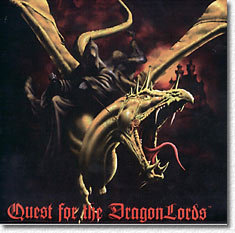
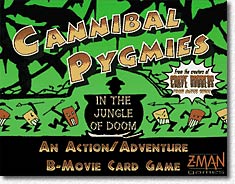
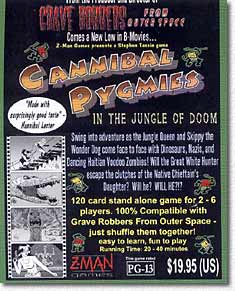
on the table: Quest for the Dragonlords, Cannibal Pygmies in the Jungle of
Doom, Star Wars – Epic Duels

  1. Quest for the Dragonlordsbox

    After the games fair in Essen we are again starting the slow process of trying out all
    new releases, in our “orc games sub division” group of the Westpark Gamers the
    focus is – of course – on fantasy games. I was the happy buyer of the 85th (of 1000) game
    of “Quest of the Dragonlords” for 2-4 players, which was released for the first
    time in Essen, and which looked like an interesting cross of Axis and
    Allies
    , Risiko and Talisman, , with a high “hack factor”, as the “Knights of the Dinner
    Table
    ” would put it.

    The game presentation is absolutely stunning – hundreds of plastic figurines that depict,
    not surprising considering the genre, gigantic dragons, armies and fleets. 4 races
    (Elves, Orcs, Dwarves and Barbarians) fight for the control of a fantasy kingdom that is
    laid out on a nice but slightly confusing (regarding mountain borderlines, which are
    sometimes difficult to detect) map. There are some strange details: For example, Elves
    are RED and the orcs GREEN (“tradition” usually favors the other way round).
    Also notably different are the special abilities of some of the races – Elves are not
    noted for range strikes but for hobbit like sneak attacks here, but well, if you think of
    Celeborn’s sneaky elves in the film…. And barbarians are especially good
    shipbuilders, well, they didn’t watch “Conan” then!
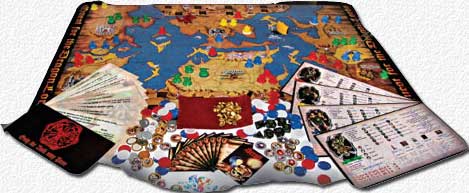
    boardSetup works like in “Risk” – each player takes
    turns placing single figures until the map is full, therefore creating different starting
    situations. Especially important are “treasure” spaces (some on islands) and
    “kingdoms” (gives you control of a colored region of “areas” –
    important for army regeneration and income). But even “empty” spaces are
    important – they more you have the more gold income you get, also not unlike Axis and
    Allies. Another similarity to that game is the fact that armies bought at the beginning
    of the turn are placed at the END of the turn, after hacking, so to speak.

    Gold is depicted in a very nice way – real “lumps” of gold are used, each look
    different and “natural”, a good fantasy touch. The coloring used is very
    ….well, very little water and sweat resistant, so you have to get used to become a
    goldfinger like ol’ King Midas.

    Player “cheat sheets” are also produced lovingly – they are all different, and
    even expensively mounted, like the game board. They feature info on spells and turn
    sequence, there are even holes in which you can stick markers that show what spells you
    have (the holes are rather small for the plastic pieces used, but that is only a minor
    qualm – use “the force”).

    The aforementioned setup presents a small problem of the game – there are 6
    “kingdom” spaces to start with, and everybody wants one first, so in a 4 player
    game players 3 and 4 will certainly only get ONE kingdom space, the others 2. Not only do
    they suffer the typical “Risk”-disadvantage of moving last, they also get less
    money to start with. No problem here for 3 or 2 players, though.

    Now we start – each player’s turn has several phases: First you buy armies, then you
    move fleets and dragonlords (which you won’t have at start – it will be one of your
    main goals to find one of these very elusive guys!), then you move your quest parties
    through the wastelands (two specially separated adventure areas – when you enter them,
    your armies become adventurers seeking fame and magical power, when you leave the
    wastelands, your adventurers become armies again, hopefully more powerful). Then there is
    a kind of “combat move” like in “Risk” – attack to win, then you can
    move your victorious armies into the new territory…and beyond, if you want, to continue
    your attack!. Then there is a kind of “forced march”, actually a special phase
    not named as such, and a “transfer move”, which takes care of spaces that
    became empty, but weren’t conquered. Then you collect income for your areas and place
    the armies you bought at the beginning.

    The adventures in the wastelands are much fun – they give some role-playing flair,
    although everything is very simplified and basically is decided through one roll of the
    die, even when the “flavor-text of the adventure cards might make you think
    otherwise. But there is still some tactics involved – you have to have certain items to
    survive certain adventures, and there is always a choice to make if you want to lose time
    with equipping or boldly go into dangerous spaces. The center space is the dragon’s
    cave – you need a certain “Talisman” to get a dragonlord there, and that’s
    what you want, really. Why? Although some of the spells and items you can find in the
    wastelands are nifty, the dragonlord is the ultimate weapon – he can breathe fire to
    destroy fleets and armies, and he can teleport 10 armies ANYWHERE on the board (the rules
    dryly note that it doesn’t make much sense to protect borders in this game – there is
    too much teleportation going on here…).

    This is vital to ending the game more quickly than your usual fantasy monster game -the
    player who kills all the other “kings” (one army piece is declared to be
    “king” at the beginning of the game – protect it at all costs, mate!) wins the
    game (you can also win by conquering all kingdoms, but that is very difficult).

    This is always a slight problem in a game: eliminated players will have to idly sit and
    watch – the designers have hinted at publishing alternate victory conditions soon, which
    will be interesting. We usually stop when one player is eliminated in our group.

    Our first game thus actually ended in the first round – before the 3rd and 4th player
    had moved at all! One player hadn’t expected that armies and fleets can practically
    reach any space on the board, and had placed her king alone! The second game was also
    over quite quickly, but this came through a misunderstanding from my side of the rules,
    which made the attacker too powerful in a combat. But it was me who was eliminated, so I
    was punished for this oversight!

    Our impression was that “Quest…” is an interesting and fun game – it might
    not win a prize for originality, as most game mechanisms are known from other games, but
    the clever combination of these elements creates a fast moving (compared to other games
    of the fantasy battles genre- we’re not talking “Liar’s Dice” here!)
    game with an “epic” feeling, I guess around 3-4 hours if played correctly. The
    presentation creates a lot of flair, you can really annoy other players, and the splatter
    factor is high. The price is VERY good when you look at the game components, and it is
    clear that a lot of love went into the production. The game rules are even additionally
    presented on CD (with animated examples) – which is pure luxury, really.

    Westpark-Gamers say: Recommended!

  2. Cannibal
    Pygmies in the Jungle of Doom
    box

    Auch dies eine Messeneuheit, das Nachfolgespiel zu “Grave
    Robbers from Outer Space
    “. Dieses recht einfache Kartenspiel evoziert die Welt
    der B-Filme in all ihrer Glorie, diesmal mit speziellem Augenmerk auf
    “Dschungel”-Abenteuer-Filme (Tarzan lässt grüßen).

    Jeder Spieler ist ein Filmproduzent, und versucht “seine” Version des Films
    aufzubauen, mit eigener “Location”, und verschiedenen “Characters”,
    die auch “props” besitzen. Alle diese Karten haben Punktwerte, die sich zu
    einem gesammelten “Defense”-Wert addieren. Dieser ist auch potentieller
    Punktestand für den Sieg, wenn die Karte “Roll Credits” gespielt wird. Es gibt
    allerdings noch eine zusätzliche Punktequelle, nämlich den Filmtitel – am Anfang des
    Spiels wird aus 6 zufällig gezogenen Karten ein möglichst bizarrer Titel zusammengestellt
    (in unserem Fall war das “The Mystic Portal of Egypt versus the valley of the
    volcano amazons” (nun, vielleicht ein bisschen zu lang, um im Kino erfolgreich zu
    laufen). Jede Karte, auf der Hand oder im Spiel, die einen Teil dieses Titels trägt,
    bringt 5 Bonuspunkte, muss also eine der ursprünglich gezogenen Karten sein.
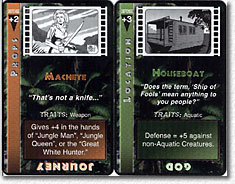
    cardsIm Spiel benutzt man Monsterkarten sowie SFX-Karten (letztere sind hundertmal
    schlimmer, denn sie können IMMER gespielt werden), um die Filme der anderen Spieler
    anzugreifen. Hierbei wird Gott sei dank nicht gewürfelt, sondern einfach nur Angriffs-
    und Verteidigungswert miteinander verglichen. Alle Spieler können SFX-Karten spielen, um
    das Ergebnis zu beeinflussen. Siegt der Angreifer, stirbt ein “Darsteller”. Und
    man staunt – 80% aller Angriffe sind erfolgreich, denn die Monster sind nicht gerade
    schwächlich!
    box backDas Spiel besteht vor allem aus den komplexen Karteninteraktionen –
    praktisch alle Karten im Spiel haben einzigartige Sonderfähigkeiten, die die Regeln
    brechen können, manchmal ist es gar nicht einfach, den Überblick zu behalten! Der
    Chaosfaktor ist extrem hoch – kaum hat man mal mühsam 1 oder 2 Darsteller in seinen Film
    gebracht, schon verschlingt sie irgendein Monster oder irgendein Spezialeffekt, die
    meisten Züge beginnen damit, dass man seinen gesamten Film erst wieder aufbauen muss, was
    einem anhand der mehr oder weniger guten gezogenen Karten mehr oder weniger gut gelingt.
    Es macht ohnehin keinen Sinn, irgendwelche Karten (außer der Bonuskarten) aufzuheben,
    denn ständig verliert man seine Kartenhand, bekommt einzelne Karten weggenommen, etc.).
    Daher gibt es auch keine längerfristigere Strategien – es zählt allein der Spaßfaktor der
    im 50er-Jahre-Comic-Stil gezeichneten Karten. Das ist beim ersten Spiel vielleicht ganz
    nett, weil die Karten neu sind, wird aber sicherlich beim mehrmaligen Spielen mühsam und
    langweilig.

    Gewinnen tut man nur dann, wenn man 1) Gute Karten in der Runde ausspielen kann 2) die
    “Roll Credits”-Karte besitzt und spielt. Dies kann man auf keinen Fall
    vorausplanen, es ist pures Glück.

    Zudem dauerte das Spiel extrem lang – manche Karteneffekte verhindern “Roll
    Credits”, und so kann sich das Chaos ewig (zumindest ZU ewig für ein kleines
    Kartenspiel) hinziehen.

    Dennoch: Für Fans der Thematik ein nettes Spielchen, und die Karten sind wirklich
    lustig. Ansonsten spielerischer Durchschnitt.

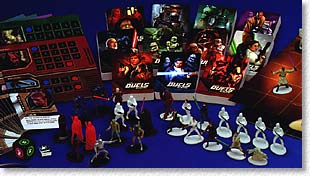
  3. Star Wars – Epic Duels

    Dieses Spiel wird spannender und besser, desto öfter man es spielt! Diesmal traten Darth
    Vader und Count Dooku, sicherlich die beiden mächtigsten Charaktere der dunklen Seite,
    gegen Anakin Skywalker und Han Solo an. Da wir inzwischen die Karten immer besser kennen,
    wird das Spiel immer taktischer, zudem spielten wir mit einer kleinen Variante, die es
    erlaubt, immer eine Karte des Teampartners zu sehen.

    Count Dooku wagte sich gleich am Anfang zu weit vor, und konnte durch eine glückliche
    Kombination von Anakins Spezialkarten unschädlich gemacht werden. Doch auch Han Solo
    starb kurz darauf durch eine Kugel eines Nebencharakters. Nun galt es, Darth Vaders
    Sturmtruppen unschädlich zu machen, um einen Spieler auszuschalten (und damit einen
    Kartenvorteil zu erlangen). Dies gelang, doch letztlich führte allein die Zähigkeit
    Chewbaccas zum Sieg der Guten – Anakin war schon kurz am Abnippeln bevor Chewbacca den
    rettenden Armbrustschuss tat.

    Da hat Darth Vader sich also letztlich selber umgebracht, oder zumindest dabei geholfen!

    Dies kann nur bei EPIC DUELS geschehen!
Game Session Report 30.10.2002

Game Session Report 30.10.2002

Author: Aaron

at the table: Mike Lasher, Günther, Hans, Walter, Aaron

on the table: Globopolis

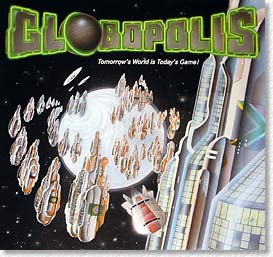
  1. Globopolisbox cover

    This time we had another go with “Globopolis”, the first game of Mike Lasher,
    which received rather mixed reactions at our first session four weeks ago. In the meantime we’d been in contact with
    Mike for some rule
    clarifications
    and quite to our surprise Mike asked if he could join in on our next
    Globopolis session. We were all too happy to accept but at the same time I was faced with
    the challenge to limit the number of Westpark Gamers for that evening to four. We finally
    managed by arranging an Orc gaming session the next day
    (Halloween!) for the one’s who could not attend.

    While explaining the Globopolis rules to Walter, who hadn’t played the game before
    Mike took the chance to provide details of the game design. Hence, we learnt that the
    territory placement on the board has been very carefully laid out to make sense not only
    with respect to geography but also with respect to resource locations and Guild
    placement. We got the impression that aspects like this had a much higher priority during
    the design than actual game balance…

    The detailed explanations by Mike provided further clarifications on a number of issues
    which again led to an update of our “Globopolis Rules
    Summary
    “. So all of you who downloaded it earlier may want to get the latest
    version now. While writing this I remember Mike saying that he encourages everyone to
    suggest variants to the rules in addition to those already described in the rule book. At
    one point he even mentioned that the game can be viewed as a “game kit”
    providing lots of material for own creations.

    But let’s come to our game.

    After the completion of the first round Hans surprised all of us when he played his
    Mission card which allowed him to immediately receive 20 CR points if he owns four
    territories with point value 3 or 4, one in each quadrant. Just by chance he had received
    four such territories during the game setup and suddenly was 20 points ahead of everyone
    else after just one round. Since a game of 5 players has a victory condition of 75 points
    and including the point values of the initial territories Hans found himself halfway to
    victory already without really having achieved anything. This triggered some discussions
    about the element of luck in Globopolis and Mike explained that they had never
    encountered this situation before during play testing. At that time I was not willing to
    reveal my Mission card which would make me the winner of the game if I am the first
    player to reach the 50 CR point mark. If Hans would have drawn this card during his
    second or third turn in addition to the Mission card which gave him 20 CR points the game
    would have been over in under 30 minutes without giving even the slightest chance to the
    other players to do something against Hans’ victory. (After we had finished the
    game we had a look at the mission cards and found them very unbalanced, indeed. Some are
    almost impossible to achieve while others appear to be very simple and heavily influenced
    by luck.
    )

    At least one thing was clear after the first round: we had a “public enemy #1”
    – Hans. No more favorable deals with him until we had caught up.

    After a few more rounds Günther had almost caught up with Hans with Walter in close
    pursuit. Mike and myself were still close to our initial point values with not much we
    could do about this. One reason was that the other three players had already acquired
    several more territories while Mike had lost a territory to Hans in a very unlucky
    battle. I for myself was the proud owner of a Guild with plenty of food and water to sell
    to the other players (and getting these for free myself) but on the other hand was very
    resource constrained with respect to production units. This left me in a situation where
    I had lots of money but no chance to spend it on economic development which would have
    provide additional CR points. Instead I was left with buying points whenever possible.
    Too soon did I have to bury my victory plans of being the first to reach the 50 CR point
    mark – in fact I only managed to get there as the fourth player.

    When Günther and Hans both came closer to the 75 CR point victory mark they had to stop
    buying CR points (as described in the rules) and concentrate more on territory
    development and territory acquisition. In fact we found it to be a good tactic to first
    spend money on CR points in addition to some basic development for defense purposes and
    do all the economic development possible later when it is no longer allowed to buy CR
    points. This way one can achieve a CR point increase of about 5 to 10 points each turn
    also in the later stages of the game.

    Finally, Günther managed to sneak past Hans and cross the 75 point victory mark when we
    had played just under 2 hours. Third was Walter closely followed by me while Mike was
    still trying to negotiate the 30 CR point mark. He obviously spent too much time on
    explaining the game and demonstrating the various options rather than trying to win.

    Since the game lasted shorter than we had expected we spontaneously decided to continue
    until the first player reaches the 100 CR point mark – the victory condition of the four
    player game. This took us more than one additional hour as getting and keeping CR points
    tends to be rather difficult on a board with only a few unowned territories left.
    Nevertheless, Günther also managed to meet the extended victory condition first making
    him the definite winner of the evening.

    We spent more than an hour of game analysis thereafter – unfortunately most of the time
    without Mike who had to leave early:

    Globopolis is not a game from gamers for gamers. There are many things that make the game
    unbalanced and uncontrollable which will not appeal to the hardcore gamer. Also the rules
    are too unstructured and sometimes imprecise leaving things open for interpretation –
    serious gamers hate it when they discover during a 3 hour gameplay that some players have
    different rules interpretations than others.

    Globopolis is also not one of the lighter family games which is quickly explained, with
    some moderate elements of luck in order to give everyone a chance for winning. It has far
    too many different game elements in it which make it too complex for a family game. And
    the playing time of 3+ hours is prohibitive for that clientele anyway.

    So what is Globopolis? Its much more than Monopoly – in fact I would not even compare it
    to Monopoly as it has too many other mechanisms and elements which require a completely
    different style of playing. Neither is it Risk – the element of aggression is predominant
    in Risk but not in Globopolis. The dice rolling rules for engagements are actually quite
    innovative and we were wondering what the odds of winning a battle are depending on the
    number of dice used. Günther made the effort to do some calculations for this and the
    results can be found in his “Globopolis Odds Table“.

    Nor is it Settlers of Catan – there is resource management involved in Globopolis, too,
    but the freedom allowed by the rules with respect to trading and allocating resources
    provides a completely different feel. It definitely is a game with interesting mechanics
    taken from these three games and put together in an interesting and new way. In many
    respects it would have helped the game if some of the elements found in the three games
    had been left out in order to make it less complex (actually, Mike told us that
    Monopoly’s “Jail/Free Parking” field had been present in earlier prototypes
    but luckily was taken out in the final version).

    Globopolis certainly is fun to play with the right set of players. We liked it for the
    challenges it provides. And it can be improved by tweaking a few things to balance the
    gameplay a little better. The rule book already provides ideas about how to reduce some
    of the elements of luck a little and this is where the Globopolis community on www.globopolis.net comes in and is asked
    to develop variants.

    Westpark Gamers Score: 6.25 (out of 10)

Spielbericht 23.10.2002

Spielbericht 23.10.2002

Autor: Walter

am Tisch: Peter, Günther, Aaron, Walter

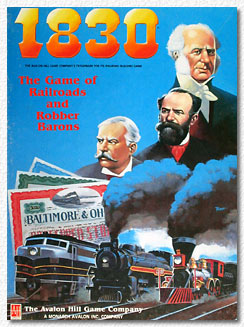
auf dem Tisch: 1830

  1. 18301830 - box

    Seit geschlagenen sechs Monaten wieder einmal eine 1830 Session. Die Gelegenheit war
    günstig, da unser Fantasy-Guru Moritz (1830 kennt halt keine Orcs) und unser
    Schach-Stratege Hans (1830 kennt halt kein Matt in 5 Zügen) pausieren mußten.

    So trafen wir uns zu viert: drei alte Hasen und unser Newcomer Peter. Keiner brauchte
    keinem Hilfsstellung zu geben und so konnten wir gleich ohne Rücksicht auf Verluste
    beginnen. Allerdings hat Peter im Laufe des Spieles jeweils bevor er seinen besten Zug
    tat, immer noch in die Runde gefragt, ob es nicht noch einen besseren Zug gäbe. Drei
    Experten propagierten drei verschiedene beste Alternativen. Uneigennützig, wie 1830 ja
    nun einmal ist.

    Peter war Startspieler und kaufte sich gleich die Schuylkill Valley. Aaron bot 175 auf
    seinen Privat-Favoriten Camden & Amboy (C&A). So kaufte ich die Champlain &
    St. Lawrence, mit der Überlegung, daß in einer Vierer-Runde, wo jeder von Haus aus viel
    Liquidität mitbringt, die dazu passende Canadian eine gute Einstiegslinie für einen
    Diesel-Endkampf werden könnte. Günther bot mit Aaron auf die C&A, die Aaron
    schließlich für 190 ersteigerte. Dieser Preis war auch ein Novum in unserer
    1830-Geschichte, obwohl es genügend Literatur gibt, die behauptet, dieser Preis sei noch
    angemessen.

    Als letzte Privatbahn blieb die Baltimore & Ohio (B&O) übrig und drei Bankrunden
    lang wollte sie keiner haben. Wer sie kaufte, der mußte letzter werden beim Bieten um die
    öffentlichen Eisenbahn-Gesellschaften und konnte dann aus eigener Kraft in der Startrunde
    keine eigene Gesellschaft floaten. Nachdem ich drei Runden lang zusehen mußte, wie die
    anderen Mitspieler jeweils 20 bzw. 25 Dollar einstrichen, und ich dagegen mit meiner
    B&O nur 10 Dollar, habe ich schliesslich in den sauren Apfel gebissen, die B&O
    gekauft und die Hoffnungen auf eine frühe Eröffnungslinie gleich begraben.

    Günther fing mit der New York / New Haven (NYNH) für 76 Dollar an, Peter schloß sich
    gleich in der New Yorker Gegend mit der Boston & Maine (B&M) für 100 Dollar (!)
    an und Aaron eröffnete seine Lieblingslinie, die Pennsylvania (PRR) für 82 Dollar. Damit
    war auch die Start-Reihenfolge für die Operationsrunden klar. Peter kaufte drei
    Zweierzüge für die B&M, Aaron einen Zweierzug für die PRR und Günther hatte das
    Vergnügen, für die NYNH die restlichen Zweierzüge und gleich den ersten Dreierzug kaufen
    zu können.

    Ich hatte in den ersten Bietrunden gepaßt, weil ich die kommenden Präsidenten erst mal
    unter einen gewissen Investitionsdruck setzen wollte. Dann habe ich mich an Günthers NYNH
    beteiligt, weil er erstens ein kompetenter und vertrauenswürdiger (was heißt das schon
    bei 1830 ?) Präsident ist, und weil er direkt hinter mir saß, so daß ich mit 75 %
    Wahrscheinlichkeit vor ihm den Prioritäts-Deal bekam. Wir kamen so gemeinsam in den Genuß
    des automatisch steigenden Aktienwertes auf Grund des 100% Verkaufs der NYNH-Aktie. Ich
    wollte die Linie bei nächster Gelegenheit wieder verkaufen; erstens um eine eigene Linie,
    meine bereits angefangene B&O, zu floaten und zweitens um Günther zu schädigen.
    Allerdings war Günther ein so tüchtiger Präsident und leitete die NYNH mit soviel
    wirtschaftlichem Erfolg, daß ich die Aktien bis zum Ende behielt.

    Aaron kam mit seiner PRR den ganzen Abend auf keinen grünen Zweig. Sie ist ja sowieso
    eine äußerst knickrige Startlinie. Mit drei Dollar sind Sie dabei. Das reicht nicht zum
    Leben und nicht zum Sterben. Da nach den Westpark-Gamers-Regeln ein Aktienkurs auch nur
    dann steigt, wenn eine Linie mindestens den aktuellen Aktienwert als Dividende
    ausschüttet, konnte die PRR nur schwer Boden gutmachen. Irgendwie kam Aaron irgendwann
    auch noch dazu, für seine PRR zwei Dreierzüge zu kaufen. Damit war ihre Liquidität
    erschöpft, und Aaron konnte seinen Lieblings-Schachzug, nämlich die C&A für 340
    Dollar an die PRR zu verkaufen, nicht verwirklichen. Die Linie dümpelte nur so dahin und
    mit ihr mußte ihr Besitzer alle Siegeshoffnungen begraben. Ein Kompliment an die
    Nehmerqualitäten des Präsidenten, der alles mit gelassener Miene über sich ergehen ließ
    und bis zum Schluß gut gelaunt dabei blieb.

    Peter igelte sich mit seiner B&M um das New Yorker Gebiet ein. Das Streckennetz von
    NYNH, B&M und NYC war ein eiförmiges, abgeschlossenes Gebilde, wie das Wurzelgeflecht
    eines Gummibaumes in einem zu engen Topf. Keine Verbindung nach Canada, kein Durchgang
    zur anderen Hälfte von New-Nork und den erschlossenen Geschäftsfeldern im Süden, keine
    Öffnung zu den weiten Prärien der Erie und der Chesapeake. So etwas habe ich bisher auch
    noch nicht erlebt. Aber mit Angst und Mißgunst alleine kann man 1830 auch nicht gewinnen.

    Das Spielende war kurios. Es gab ein Deadlock mit sechs gefloateten Linien, die jeweils
    zwei Züge hatten. Kein Sechserzug wurde gekauft und ebenso keine Diesellok! Warum?
    Mehrere Linien hatten genug Geld gespart (800 Dollar), um bei nächster Gelegenheit eine
    Viererlok gegen eine Diesellok umzutauschen. Dafür mußte aber zuerst der erste Sechserzug
    gekauft werden. Jeder der das getan hätte, auch z.B. durch das Floaten einer der beiden
    übrigen Linien, hätte dann für seine anderen Linien tief in die Privat-Schatulle greifen
    müssen und eine Diesel finanzieren müssen. Das wollte keiner. So kam das Spielende (der
    Bank ging das Geld aus) herbei, die prestigeträchtige PRR war im stolzen Besitz von zwei
    Dreierzügen, die anderen Linien teilten sich die restlichen Dreier-, Vierer- und
    Fünfer-Züge.

    Es war eine sehr friedliche Runde. Es gab keinerlei bösartige Manipulationen auf dem
    Aktienmarkt. Keiner hat einem anderen mit Verlusten eine Gesellschaft angedreht. Es gab
    keine taktischen Manöver zum Plazieren von Linien auf dem Positions-Tableau. Wir waren
    nur Empire-Builder, von denen sich schließlich der Günther durchgesetzt hat. Vielleicht
    ist das tendenziell in einer Viererrunde immer so, sofern kein ausgesprochener Chaot
    dabei ist.

    Lieber Peter, Du hast sehr gekonnt agiert, gut gekauft und gut gebaut. Keine Rückschläge,
    keine Fehlinvestition, und wenn es was zu verdienen gab, warst Du auch immer dabei. Warum
    hast Du nicht gewonnen? Ich glaubte, Du hast die Anfangslinien mit 90 oder 100 Doller zu
    teuer eingesetzt. Das kostet Dich Dein gesamtes Startkapital und bringt Dir nur sechs
    Shares ein. Du kannst auch nicht mehr daran verdienen, wenn die Aktien wegen
    Total-Ausverkaufs nach oben steigen. Wenn man eine Linie mit 76 Dollar startet, dann kann
    man in kürzester Zeit 30 % Kursgewinn allein durch die Verschiebung nach oben machen.
    Gerade am Anfang sind Share-Anteile so gut wie bares Geld.

    Günther hat die NYNH für 76 eingesetzt, damit bekam er mehr Shares zusammen als Du, und
    seine Linie war mit 2 Zweierzügen und 1 Dreierzug am Anfang schon besser ausgestattet und
    konnte einige Runden lang problemlos ausschütten, wo Du wegen der drohenden 4-er Züge von
    Anfang an, und auch das ganze Spiel über, ans Sparen denken mußtest.

    Günthers zweite Linie, die C&O, lief am Anfang ziemlich schlecht, als Aaron und ich
    ihn von New York abdrängen konnten. Allerdings kassiert die C&O zum Westrand hin (da
    gibt es eine 70-er Randstadt) doch mehr als Nichts. Er hat aber dann doch noch die
    Nordverbindung nach New York geschafft und konnte dann auch hier unbehelligt absahnen.

    Schließlich hat Günther auch seine Rest-Investitionen nach dem Maximum-Profit-Prinzip
    getätigt, während Du da eher Vorsicht (oder persönliche Präferenzen?) hast walten lassen.

    Weiterhin darf man auch nicht ängstlich oder zu symmetrisch bei der Beteiligung an den
    Aktien fremder Gesellschaften vorgehen. “Keep fully invested” propagiert kein
    Gieskannenprinzip, sondern das Einsteigen bei genau der jeweils einzigen besten
    Gesellschaft. Risikobetrachtungen sind dabei notwendig, in der Anfangsphase aber nicht
    Ausschlag gebend. Die Gesellschaft, die die höchsten Dividenden auszahlt und dabei über
    genügend flüssige Mittel verfügt, die nächsten Jahrespläne, sprich Operationsrunden,
    durchzustehen, ist die beste. Kaufen, Gewinne einstreichen und verkaufen, das ist die
    Devise. Darin warst Du etwas zu vorsichtig.

    Aber 1830 ist ja grundsätzlich das Spiel der verpaßten Gelegenheiten. Jeder kann am Ende
    mitteilen, welches seine wirtschaftlichen Fehltritte waren, wo er nicht aufgepaßt oder
    sich falsch entschieden hat. Meiner Meinung nach ist das aber kein Grund, das nächste
    Spiel noch langsamer und noch bedächtiger anzugehen. 1830 ist ein kybernetisches Spiel
    mit Plänen, Träumen, Coups und Niederlagen. Fast wia im richtigen Leben. Laßt es uns
    spielen.

Spielbericht 16.10.2002

Spielbericht 16.10.2002

Autor: Moritz

am Tisch: Peter, Aaron, Walter, Andrea, Moritz

auf dem Tisch: Das Amulett, Im Zeichen des Kreuzes, Drakon und Expansion Set,
Powerplay, Bluff

I was slightly worried about missing the European soccer championship game that
evening (Germany against Faroer Islands), but that game apparently was so bad that we
surely had better entertainment value with our selection of all-star games!

  1. Das AmulettDas Amulett - box

    This relatively recent German offering includes many elements that I like: bidding,
    variable player powers, and fantasy. Well, the last element is really flavor only, as the
    game is rather abstract. Players collect gemstones – the first player to collect 7
    different ones (or ANY 8) wins. Similarly to “Die Kaufleute von
    Amsterdam
    ” there is only one token on the map – whoever won the last bid can
    decide where it moves next. The board is divided into various areas with 2 different
    gemstones initially (there are more than 7 different colors, with different total amounts
    in each color), there are also “cities” with 3 different gemstones. All areas
    apart of cities have one metal symbol (there are 4 different metals of which each player
    initially receives one each). In these areas it is only possible to bid with this
    specific metal, only in the city can you use all 4. There are also areas with pyramids,
    and areas close to the “big wall”. These areas grant you special abilities, if
    you have certain “power cards”.

    The power phase is the most interesting of the game: each player has a stock of 10 energy
    markers that will either be “free” or bound to cards. As many power cards as
    there are players are drawn and auctioned off. The amount of energy that you pay not only
    beats the other players amount, it also defines how long you can use a card, as each
    round one or two energy markers (depending on the strength of the power card) are removed
    – if there are none left, the card ceases to function.

    Normally players will have from 2-4 “energized” power cards. Some of them let
    you draw specific metal cards each round, some of them make you select any metal card you
    want, some of them give you special bidding powers (for example forcing players to always
    bid at least 2 higher than you), some of them let you take energy away, etc. The
    abilities on the cards are varied and interesting, and basically through these cards the
    game is won.

    After the power bidding a number between 4 and 6 is drawn, this is the amount of
    movements the single pawn will make. At each stop the players bid their metal cards that
    fit the area (it is very often possible to bid with ANY card – if you have, for example,
    a power card that allows you to do just that in a pyramid space, for example). The
    highest bidder takes the gem of her/his choice. Then s/he decides where the pawn will
    move next. It is very interesting to watch what gems other players have acquired so far,
    as it is often possible to move the pawn to a space where the leading player (preferably)
    will get a gem s/he already owns, thus making victory more difficult. But again, beware
    of the power cards, as some of them can move gemstones on the map!

    The game is over pretty quickly, or rather more quickly than you wished for (“what,
    already? I wanted to win!”). It makes you want to play again immediately, which is
    always a good feature in a game. Probably not an evergreen, but a very nice and deep
    game, with elegant mechanics and nice material. I thoroughly recommend it, though
    non-gamers might have to get used to the rather nebulous fantasy theme.

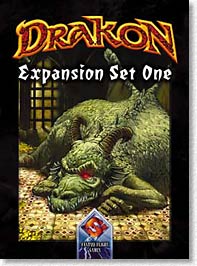
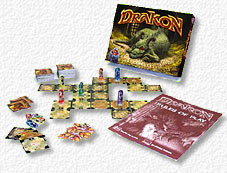
  2. Drakon, mit Expansion-Set OneDrakon Expansion Set

    Diesmal zwang ich die Kollegen, das nicht so unglaublich geschätzte “Drakon
    doch noch einmal auszuprobieren, diesmal mit einer kleinen Regelvariante (geliehen von
    Carcassonne“): Es liegen immer 3 Dungeon-Tiles offen aus: wenn man
    nachzieht, wählt man sich ein Teil aus!

    Das hat 2 Vorteile: erstens besitze ich die erste Auflage des Spiels, sah aber nicht ein
    nur wegen des Expansion-Sets die ZWEITE Auflage des Spiels zu kaufen (in der 2. Auflage
    haben die Dungeon-Tiles eine andere Rückseite, die nur mit der 2. Auflage kompatibel
    sind, was ein normales “Ziehen” unmöglich macht). Zweitens kann man die gerade
    ausliegenden Dungeon-Teile noch mal Allen erklären, was bei diesem zwar simplen, aber
    durch die vielen unterschiedlichen Effekte der Räume doch recht unübersichtlichen Spiel
    nicht schlecht ist.

    DrakonNoch mal kurz worum es geht: 2-6 Abenteuer versuchen aus einem
    Drachenverlies zu entkommen, das sie während des Spiels selber erstellen. Der erste
    Spieler mit 5 Goldstücken gewinnt (anscheinend ist es nicht so wichtig, WIRKLICH dem
    Dungeon zu entkommen- “reich stirbt halt glücklich”). Fast alle Räume haben
    einen bestimmten Effekt, der nur beim Betreten wirkt, man bekommt Geld, dreht Räume,
    teleportiert durch die Gegend, klaut anderen Geld, usw. (es gibt unglaublich viele
    verschiedene Räume). Mit dem Expansionset kommt noch ein lebendiger Drachencounter (der
    beim Betreten bestimmter Räume durch die Gegend bewegt wird) hinzu, der vor allem andere
    Spieler ärgert (go back to the beginning, lose 1 gold), außerdem ein gutes Dutzend neuer
    Raumeffekte durch neue Tiles.

    Durch die oben beschriebene Regelvariante wurde das Spiel kürzer und schmerzloser, und
    der sonst stark empfundene “Kingmaker”-Effekt trat schwächer als sonst zutage.
    Kein supertolles Spiel, aber mal ganz nett zwischendrin. Das Glücksmoment sollte man
    allerdings sehr hoch einschätzen!

  3. Im Zeichen des KreuzesIm Zeichen des Kreuzes

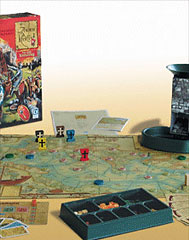
    This predecessor of “Wallenstein” also uses the “dice-tower”, an ingenious
    device which serve as an interesting randomizer for combat. You throw in the wooden
    armies of the enemy and your own armies at the same time – 50 percent will stay in the
    tower and come out at a later time. Armies that DO come out are compared, higher total
    wins. Foreign accidentally released armies will be transformed into reserve armies for
    you (i.e. “freed prisoners”). A surprisingly simple and fun system – ok, there
    is luck, but it makes for much more fun than throwing dice…

    “Im Zeichen des Kreuzes” lets the players reenact the horrible crusades – as
    crusaders of varying reputation. The game is played on a map of the Mediterranean. Each
    crusader starts with a handful of armies and treasure chests in predetermined areas. The
    goal of the game is to reach Jerusalem, which, at the beginning of the game, is fortified
    with 15 armies (more will be added during the game). There are also two independent
    pirate and land armies each, which mostly serve as an annoyance for other players.

    Movement works through playing region cards: there are 3 sorts (mountain, plain and sea)
    and a joker which can be used as any region. Some of the cards bear army or ship symbols
    – these move the neutral armies. There are an abundant number of both Christian and
    Muslim cities on the map, ready to be plundered. It is actually often equally good to
    attack Christian cities, as the booty is the same, but the reputation will suffer
    slightly (making you redraw less cards, which is bad). Christian cities also serve as
    places to pray (gain reputation) or to hire new armies (with treasure chests, presumably
    from the last ransacked town). Once a city is sacked, it is removed from the board and
    cannot be used again. Certain event cards force you to never attack a certain city to
    gain defined bonuses. After conquering a small number of Muslim cities it quickly becomes
    your duty to attack Jerusalem. Your first attacks will be hopelessly outnumbered, but the
    pope will give you new armies as a bonus, so next time you will be stronger. After
    probably 2 hours of play one player will be the first to conquer Jerusalem and win the
    game.

    Basically this is a racing game, not a war game. As battles mostly cost you the same
    number of armies as you will gain through plunder, so you will try to reach your quota of
    conquered Muslim cities and then proceed as quickly as possible to Jerusalem, to gain the
    bonus armies for your first attacks (which usually end in losses).

    A light, not very deep game, which still manages to project a reasonably detailed
    “historic” atmosphere. There are lots of opportunities for annoying the other
    players, which adds to the fun. Combat can become repetitive, but is rather quick, so it
    doesn’t matter that much. It is also not important to win ALL battles – you have to
    win the RIGHT battle in the end. All in all this is a game that certainly will appear
    again on our table.

    But careful: Check if you have assembled the tower correctly before you start playing –
    we discovered we hadn’t in the middle of our game, and this forced us to stop playing
    as many armies had become stuck in the rim and therefore created an unfair situation for
    some players without us knowing it!

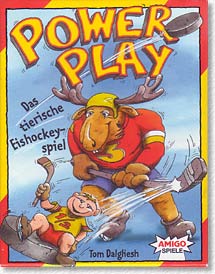
  4. PowerplayPowerplay

    This is the German version of the excellent American card game “Slapshot“,
    which, slightly inspired by the black film comedy with the same name about ice hockey
    (starring Paul Newman), became most known in it’s old Avalon
    Hill
    edition.

    You won’t find a Paul Newman card, but rather an assortment of fantasy and parody
    characters very removed from real ice hockey in the German version. Each player randomly
    draws a team of 3 attackers, 2 defenders and a goalie. Every turn each player has 3
    options: 1) exchange one player card for a randomly drawn card of the same type
    (presumably in the hope of getting a better player). 2) Randomly steal a card of another
    player and replace it with a card of your choice from your own hand (risky, but worth it
    if the other player is known to have a strong team). 3) Challenge another players team
    (you have to challenge each other player before challenging the same player again).

    Who can score 5 matches wins the game.

    Games (or rather battles) work a little like the card game “War” – Each player
    selects a card secretly, the higher card scores a goal, with some special rules (goalies
    always stop attackers, or concede to the higher goalie, certain defenders have the
    ability to incapacitate the opponent’s card, forcing him to exchange the card after
    the game, etc.). There are even players with “special abilities”, like the
    “Hydra”, which is stronger if played late in the game.

    All 6 cards are played and the higher scorer wins (sudden death continuation is
    possible, if there is a draw). Card play is relatively random for the first 3 cards or
    so, but becomes increasingly tactical, as you know what cards have been played and which
    ones not. Also, the other players will watch the game like hyenas – if a player is known
    to have a weak team the others will certainly take advantage of that knowledge.

    All in all this is a really fun game – it plays quickly, uses at least parts of your
    brain that other games do not use, and it is also cheap. A true classic, especially as a
    quick starter or light finishing game.

  5. Bluff

    ’nuff said: Aaron won!

Spielbericht 8.10.2002

Spielbericht 8.10.2002

Autor: Aaron

am Tisch: Hans, Peter, Moritz, Walter, Aaron

auf dem Tisch: Family Business, Hecht im Karpfenteich, Bluff

  1. Family Business

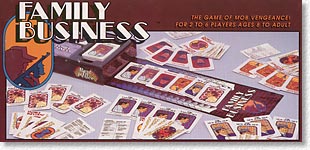
    Family Business - boxDer Hintergrund: die USA in den 20er und 30er Jahren
    während der Prohibition. Gangsterbanden bekämpfen sich gegenseitig durch Intriegen und
    Komplotte und versuchen, am Tag der Abrechnung, dem Mob War, möglichst viele gegnerische
    Mobsters liquidieren zu lassen

    Ein böses Spiel. Eines, bei dem ein Spieler nach dem anderen ausscheidet, bis nach dem
    letzten Massaker nur noch eine Familie übrig bleibt und sich der Sieger, stark
    angeschlagen, die Hände schütteln lassen darf. Böse auch deshalb, weil es wenige Spiele
    gibt, bei denen so konsequent von Allen gegen einen Spieler, sei es nun gerade der
    Schwächste oder der Stärkste vorgegangen wird. Hervorragend zum Abreagieren wenn die
    Gruppendynamik stimmt.

    Dank der einfachen Mechanik ist das Spiel schnell erklärt: jeder Spieler bekommt eine
    Bande (mob) aus neun Mitgliedern (mobsters) sowie vom gut gemischten Action Deck vier
    Aktionskarten verdeckt auf die Hand. Wer an der Reihe ist, zieht eine Karte vom Deck nach
    und spielt eine seiner nun fünf Handkarten aus.

    Das Action Deck enthält drei Arten von Karten: Angriffskarten, Rettungskarten und
    Gegenschlagkarten. Mit den Angriffskarten hat ein Spieler die Möglichkeit, einen
    gegnerischen Mobster auf die “Abschussliste” zu setzen (“Contracts”)
    oder einen Bandenkrieg zu starten. Mobsters auf der Abschussliste werden in einer Reihe
    offen ausgelegt und müssen dran glauben, sobald ein Bandenkrieg ausbricht, was spätestens
    dann geschieht, wenn die Liste 6 Mobsters enthält. Dann wird pro Spielerzug der vorderste
    Mobster in der Reihe liquidiert und ist sofort und endgültig aus dem Spiel. Noch
    schlimmer sieht es aus, wenn durch “Ambush” oder “Vendetta” ein
    Bandenkrieg ausgelöst wird und pro Zug gleich die ersten 2 Mobsters auf der Liste das
    Zeitliche segnen. Beim “St. Valentines Day Massacre” als schlimmster aller
    Fälle muss gleich die ganze Abschussliste dran glauben. Glücklicherweise gibt es da noch
    die Rettungskarten, die es einem Spieler ermöglichen, Mobsters wieder von der
    Abschussliste zu entfernen oder die Liste umzusortieren.

    Ein taktisches Element im Spiel sind die Gegenangriffskarten, die ausserhalb der
    Zugreihenfolge von jedem Spieler als Antwort auf eine gerade ausgespielte Karte eines
    Anderen gespielt werden dürfen. Gegenangriffskarten gibt es als Antwort auf Kontrakte,
    auf Rettungsversuche und zum Schutz gegen die Vendetta. Da die Runde beim Ausspieler der
    Gegenangriffskarte fortgesetzt wird, gibt es nicht nur die explizite positive Wirkung der
    Karte selber sondern auch die taktisch nicht unbedeutende Möglichkeit, Spieler zu
    überspringen und damit gegebenenfalls häufiger am Zug zu sein.

    Das Spiel verführt zu Gemeinschaftsangriffen gegen andere Spieler und ist alleine schon
    deshalb atmosphärisch recht stimmig. Die Tatsache, dass die Abschussliste durch Ablegen
    vor der Spielschachtel, die eine Mauer mit Einschusslöchern zeigt, stattfindet trägt dazu
    genauso bei wie die Nutzung des Schachteleinsatzes als kühles Grab mit R.I.P. Aufdruck.
    Was jedoch bei nur gelegendlichem Spiel stört sind die Bezeichnungen der Karten. Wer
    nicht gerade im Chicago der 20er Jahre groß geworden ist, kann mit Bezeichnungen wie
    “Take it on the lam” oder “Finger” nicht unmittelbar etwas anfangen.
    So mussten auch wir während der ersten Spielhälfte häufig in der Regel die jeweilige
    Bedeuting der Karten nachlesen, was sowohl den Spielfluss als auch die Spielstimmung
    störte. Eigentlich schade, da genügend Platz auf den Karten ist, um durch Piktogramme
    deren Bedeutung zu visualisieren – stattdessen finden sich dort nichtssagende Grafiken.

    Das Spiel lebt durch seine Gemeinheiten, das Bitten und Flehen der Spieler, doch nicht
    schon wieder dran glauben zu müssen und durch überraschende Mehrfachangriffe. Dass dazu
    die Spielgruppe passen muss damit eher Schadenfreude statt Frust aufkommt, versteht sich
    von selbst. Leider ist die Spieldauer je nach Spielerzahl mit 30 bis 60 Minuten recht
    lang und für die Frühausscheider bedeutet das langer Leerlauf.

    Bei uns war’s Peter’ Mob, der gleich als erster dran glauben musste, als sich
    Alle über seine Mobsters hermachten. Als bekanntermaßen aggressiver Spieler hatten wir
    damit unseren größten Feind schnell ausgeschaltet (ausserdem hatte er gerade
    verhindert, dass wir das von der Mehrheit gewünschte Globopolis spielten)
    . Da Walter
    und ich einen (stillschweigenden) Nichtangriffspakt hatten, zog sich das Spiel dann etwas
    in die Länge, wohl auch deshalb weil Hans sehr geschickt zum richtigen Zeitpunkt die
    richtige Karte spielte, um seine Mobsters wieder von der Abschussliste runter zu holen.
    Schlussendlich hatte er sich aber dann doch verausgabt und schied als zweiter aus, dicht
    gefolgt von mir. Das kurze Schlussgefecht zwischen Walter und Moritz quasi Mann gegen
    Mann konnte dann Moritz für sich entscheiden.

    Es zahlt sich sicherlich aus, bei “Family Business” ein low profile zu
    zeigen und möglichst wenig Angriffsfläche zu bieten. “Gemeines” Vorgehen wird
    schnell durch gezielte Angriffe mehrerer anderer Spieler “bestraft”, so dass es
    oft besser ist, im Windschatten zu fahren.

    Insgesamt hat das Spiel nicht schlecht gefallen, konnte dann aber doch nicht wirklich
    überzeugen.

    Westpark Gamers Bewertung: 5.0

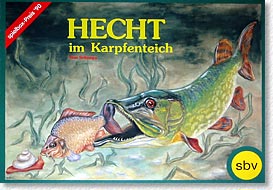
  2. Hecht im KarpfenteichHecht im Karpfenteich - box

    Another oldie on the table. “Hecht im Karpfenteich” (Pike In The Carp
    Pond
    ) was published 1990 by SBV, the publishers of the German games magazine “Spielbox“, after it won the Hippodice award.

    The game is all about sex in the city, well pond that is. The players’ target is to
    reproduce as many of their pikes as possible. The basic mechanics of the game are
    straight forward and simple:

    Pikes are able to reproduce in pike’s nests in the pond once two pikes are alone in any
    one of the three nests. The catch is that pikes will not reproduce if they are hungry.
    And that’s where the carps come in: pikes love carps – as food. So the first thing
    before sex in the pike’s nest may commence is for them to catch a carp (now how
    many perverts will find this page through their favorite search engine with this little
    piece of text in it?)
    .

    And here’s the next catch (pun intended): if there are less than 4 carps in
    the pond pikes are not allowed to eat them (the rule explaination for this is: because
    there are so few of them the pikes don’t find them). Which means: we need to get the
    carps to multiply. And that’s what the carp nests are good for, and – you guested it
    – hungry carps won’t reproduce. So there is another food supply in the game: snails,
    the carp’s favorite food if you believe the game designer. As soon as two well fed
    carps are in a nest they produce new carps, the amount of which is decided by the roll of
    a six-sided die.

    In each turn a player has the choice of one of six possible options plus 7 movement
    points which may be distributed amoungst the carps and one’s own pikes. Players may
    chose an option during their turn but that option then cannot be used again until all
    other options have been chosen before. The options are to either place a snail on the
    board, to trigger carp reproduction , to trigger pike reproduction (both of the latter
    two only have an effect if there are carps/pikes in the carp/pike nests that are ready to
    reproduce), to spend 7 extra movement points or to do nothing at all.

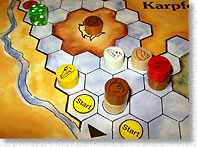
    Hecht im Karpfenteich - boardMoving carps is an action which not only helps
    oneself but also the other players as their is the common goal to have many fed carps and
    fill the carp nests for reproduction. Also the associated options of placing a snail on
    the board or to trigger the carp reproduction more often than not helps the other players
    just as much as the player performing the action. Often the worst thing of all is having
    to trigger a pike reproduction if only pikes of other players can reproduce.

    The correct timing of options is what makes the game rather complex. It is hard to tell
    what the other players will do and consequently, it is hard to really plan ahead.
    Therefore, one often finds oneself in positions that look hopeless with no carps near
    one’s own pikes and all pike nests in reach already occupied. This situation
    regularly occurs to some players in the first round and can be very demotivating to
    newcomers to this game. But I have yet to see a game of “Hecht im Karpfenteich”
    where this slightly disadvantageous position cannot be overcome until the game ends.

    This was also true in this game session when Hans had a very bad start but in the end was
    able to finish second just after Peter. Interestingly, Moritz and Hans do not like this
    game very much whereas Walter and myself find it rather tactical and like it because the
    theme of the game matches the atmosphere it creates quite well (or are we just two
    dirty old men?
    )

    Westpark-Gamers Score: 5.0

  3. Bluff

    Our usual closing game of a session whith nothing special to report this time.

Railroad Dice

Railroad Dice

There are shares, there are tracks, but it is quite different of the game you possibly
think of now. In Rail Road Dice, you roll a number of dice when it’s your turn. Those
dice have straight tracks, curves, buy-a-share or question marks (which are wild) as
sides.

Even if you happen to roll six dice you can be unlucky enough to not roll a single
straight line. Or perhaps there are no options to buy stocks. In short: You cannot plan
your turn until the die is cast.

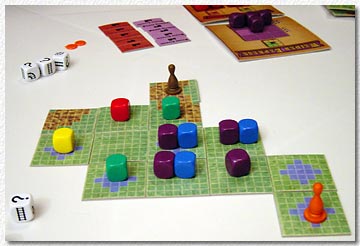
Railroad Dice boardYou don’t get anything at all for shares if
you do not have the majority. Therefore, if you do not have the majority, there is
no reason to be interested in that particular line. You can dispend of watching
another player playing it.

Poor Hans. He tried to be director of two lines. He lost both. It is okay that a game
does not reward failure. But it is not acceptable that Hans was confined to a mere
spectator role.

This sounds boring? Oh yes indeed, it is. Rail Road Dice is something of solo-player
game played with four players, and not a good one. Günther proposed that it might be
better with 2 players. I am not that sure. In any case, we stopped it after 2 hours.

Verdict: Poor game play. I am sure that no-one (except Günther) would be ready to give
it another try.

Westpark Gamers score: 2.75 (G: 4, L: 2, H: 2, P: 3)

cover
Designer Leo Colovini
Publisher Winning
Moves
released 2003
Players 2 – 4
Playing time 45 mins.

Alexandros

This is quite an abstract game. In your turn, first you move Alexander the Great: You
gain a card if you move him with one of the two open cards. You lose a card if you move
him with one card of your hand.

Besides this stoic way of movement (let destiny have its will – if you rebel,
you’ll only pay with your cards), players dispute areas. Those areas give,
surprisingly enough, victory points. When it’s your turn, you have two actions. One
of them could be counting victory points.

Thus, most players avoid counting points except they are the top scorer. On the other
hand, the leading player will score every turn and accordingly lose one of his two
actions.

This is a nice game mechanism, or so it seems. But there is a problem: Imagine a coup
which would give you temporarily ascendance over an area. However, there is no point in
scoring since the top player would profit more than you do. The top player, on the other
hand, can do those coups with his first action and score with the second.

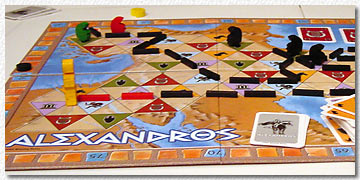
Alexandros board

In our game, I got an exceedingly large area by chance (well, it just had the right
cards in hand). I never lost it, and it gave me every round 15 v.p. (plus those I got for
lesser areas). One reason why no-one could dispute it was that there weren’t 11 cards
of each type as the rules state but 21 of one single type. Unfortunately, we did not
notice that during the game (but we did notice all those stupid blue warrior cards and
counted the pile afterwards). So I had my area and everyone else had lots of blue warrior
cards. The game was far from being thrilling, and my victory was undisputed.

We did like the mechanics, even if we are not totally convinced that they run smooth.
We’ll surely play it again, with 11 cards of each type. (If you happen to own the
game, please count your cards and post in our forum whether this was singular faulty game
or they sold lots of copies with too many blue cards).

Verdict: Intelligent mechanics. Not sure if they really work out. Need to play again.
Ratings are therefore tentative.

Westpark Gamers score: 5.75 (G: 6, L: 6, H: 5, P: 6)

Feurio! cover
Designer Heinrich Glumpler
Publisher Edition
Erlkönig
released 2003
Players 1 – 4
Playing time 30 mins.

Feurio!

This game does not only share the name of the best music CD burning software but even
the exclamation mark as part of the name. Let’s hope it’s okay with Jens Fangmeier.

Feurio! the game is a quick game with a huge luck element, so perfectly suited for
finishing the evening. However, I have got several objections: For the final scoring,
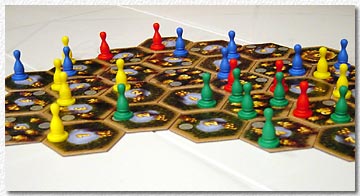
your v.p.s get divided by a divisor. Feurio! boardNow, from time to time, you can
get a very bad (I lost my 1 and suddenly had 6 – ouch!). This introduces lots of king
maker scenarios. At the same time, as soon as it is clear that you can’t get rid of
your bad divisor (as happened to Hans), this game is over for you. I did win, but only
because Loredana and Günther did not notice that I could get back my 1 divisor. If they
had noticed, they would have thwarted it but would have lost the chance to something good
for themselves – i.e., either of the others, Günther or Loredana, would possibly have
won.

Feurio! is a nice game, but I do not cherish those types of decisions and I shall
prefer others games to end an evening of board gaming.

Verdict: Nice quick game. Lots of luck involved but that’s okay because it is
short.

Westpark Gamers score: 6.0 (G: 7, H: 5, L: 7, P: 5)

Spielbericht 3.10.2002

Spielbericht 3.10.2002

Autor: Moritz

am Tisch: Hans, Peter, Andrea, Moritz

auf dem Tisch: Rise and Fall, Herr der Ringe: Die Gefährten, Star Wars: Epic
Duels

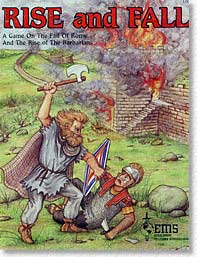
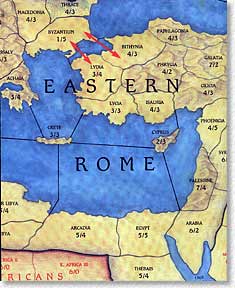
  1. Rise and FallRise and Fall

    Bei diesem Spiel gibt es eine merkwürdige Synchronizität: es gibt nämlich ein anderes
    Spiel, das diesem Spiel extrem ähnlich ist, aber einen anderen Designer hat:
    „Barbarian, Kingdom, Empire“. „Rise and Fall“ hat simplere
    Mechanismen, aber das selbe Spielprinzip: Auf einer typischen „Civilization“-Karte (ganz Europe, plus ein bißchen Asien und Afrika)
    entstehen und vergehen Reiche („Rise and Fall“). Je nach Szenario fangen die
    Spieler als Barbaren, Königreich oder Imperium an. Ziel ist es immer, das Einkommen der
    Felder in Siegespunkte zu verwandeln, je mehr Felder man besitzt, desto mehr Einkommen
    hat man. Am Ende eines Zuges verwandelt sich dieses Einkommen direkt in Siegespunkte.

    Die Barbaren haben zuerst einmal relativ schwache Truppen, dafür die Fähigkeit im
    Heimatland fast unbegrenzt Nachschub zu erzeugen (das Heimatland kann man sich beim
    Starten wählen– die Länder haben durchaus assymetrische Startbedingungen, daher
    kann man auch mal eine oder 2 Runden warten, bevor man ins Spiel einsteigt, um zu sehen,
    wo die Anderen anfangen) .

    Rise and FallNach mindestens 3 Runden Barbarentum kann man zum
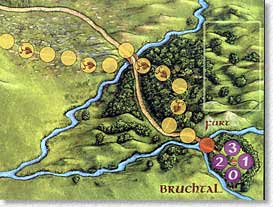
    „Königreich“ werden (oder es auch aufschieben, dann zwingt einen irgendwann
    ein Würfelwurf dazu): Die Truppen werden stärker, dafür kosten sie jetzt auch Unterhalt,
    man kann sich also effektiv weniger „Manpower“ als der Barbar leisten.
    Zusätzlich besitzt man nun eine Hauptstadt, die einerseits verteidigt werden muß,
    andererseits zusätzliches Einkommen bringt. Nach weiteren mindestens 11 Runden als
    Königreich, kann man zum Imperium werden: Man besitzt nun die stärksten Truppen, zahlt
    aber dafür am meisten. Außerdem hat man zunehmend mit Rebellionen im eigenen Land zu
    kämpfen. Irgendwann lohnt es sich nicht mehr, diese zu unterbinden, dann lässt man das
    Reich sterben und fängt mit einem neuen Barbarenstamm an. Die Siegespunkte werden einfach
    völkerübergreifend akkumuliert.

    Was ein bißchen wie „Vinci“ klingt, spielt sich leider nicht so, denn immerhin ist
    dies ein Wargame mit zahlreichen Countern, allerdings ein ziemlich simples.
    Nichtsdestotrotz werden viele Pöppel umhergeschoben und viele Kämpfe ausgewürfelt –
    allein deswegen sahen wir nicht das Entstehen eines Imperiums (nach 4 zügig gespielten
    Stunden stoppten wir in der 6. Spielrunde, gerade mal die 3. Königreichsrunde). Ein
    Sieger wäre wahrscheinlich schon in weiteren 4 Runden gekürt worden, sicherlich noch kein
    Imperium!).

    Um das Spiel in seiner ganzen Vielfalt zu erleben, sollte man also schon 12 Stunden
    einplanen, bei 6 Spielern noch wesentlich mehr. Ob man sich das antut, ist allerdings
    fraglich. Nichts an dem Spiel ist schlecht: Die Regeln sind einigermaßen übersichtlich
    und auch recht logisch, es gibt auch kaum Unklarheiten. Dennoch hat das Spiel einfach zu
    wenig Flair – es spielt sich einfach zu straight, und ist letztlich ein typisches
    Kingmakerspiel (wer angreift, oder angegriffen wird, verliert). Wo bei Vinci Vielfalt
    durch die ländereigenen Eigenschaften entsteht, beschränkt sie sich hier auf
    unterschiedlich starke Einheiten und Anführer (die zudem noch ein riesiges Glückselement
    einführen).Wir spielten schon mit den Optional Rules, dennoch war das Spiel einfach zu
    trocken, um Begeisterung hervorzurufen. Die eigentlich interessante Grundidee wurde
    inzwischen von anderen Spielen schon wesentlich interessanter umgesetzt. Und auch ein
    „Civilization“, das an Spiellänge gleichkommt, ist schlicht und einfach
    spannender.

    Daher eine ganz durchschnittliche Bewertung: 5.33

    Rise and Fall Spielhilfe

  2. Herr der Ringe: Die Gefaehrten

    Because we were all hot for a „Lord of the Rings“-Game but weren’t to
    keen for the rather abstract Knizia-Game
    we decided to pull-out the “other” film tie-in of Kosmos, the rather undernourished “Die Gefaehrten”. Herr der Ringe - Die Gefährten

    This game is a kind of pachisi played on a one-dimensional line and without the
    possibility to annoy other players – basically a racing game with slight elements of
    cooperation, and mainly decided by luck.

    Ok, it’s not a dysfunctional game, it will even mildly entertain, but basically it
    involves no skill or planning.

    Four Hobbits start from the Shire and try to reach Amon Hen (the end of the first film)
    in 4 etappes. The board is totally exaggerated: beautifully drawn it hides the fact that
    this game could probably be played on a board 1/4th the size, as this is really a racing
    game on a straight line.

    Die Gefährten - cardDie Gefährten - cardEvery turn each player rolls two dice: he can
    decide which on to use for combat, and which one for movement. Movement is (did I say it
    already?) in a straight line, you don’t count spaces occupied by others (which
    means the last quickly become the first, as they jump over spaces). After everybody has
    moved, the first player in the line (it’s a line, remember?) has to fight a card
    monster (using his combat roll as a basis, adding another die, the monster does the
    same). If he wins, he gets either victory points, a weapon, or movement chits (which can
    be used to enhance or reduce the movement die). If not, he moves back one position, and
    the next player has to fight. The monster usually becomes weaker with each combat.

    The first player to finish an etappe gets additional victory points, the latecomers
    increasingly less. After all players have reached Amon Hen the player with the most
    points wins.

    That’s really all – a children’s game really! Ok, there are some
    additional twists: there are event spaces where cards are drawn (yawn), and one player is
    always the ringbearer and can look at the topmost cards of the event and monster deck.
    There are also companions, which can be used in combat and then have to be given to
    another player. Also, if you find a weapon and already have one, you have to give the
    extra weapon to another player who hasn’t got one (cooperation – we are
    goodie-goodies here!).

    Nothing of this can hide the fact that this game is simply too light for the serious
    game connoisseur, and especially the serious Tolkien-fan.

    Ok, Knizia IS better. A lot!

    Westpark-Gamers: Score 3.33

  3. Star Wars: Epic Duels

    We are addicted to this game!

    This time Yoda and Obi-Wan faced Dooku and Darth. Both sides spent several turns
    “building up” cards, but Darth Vader managed to foil Yoda’s nearly
    perfect hand by playing his dreaded “special-card-destruction”-card. This
    meant Obi-Wan had to face the 2 major baddies alone, which was more than he could bear
    with his weak hand. Darth and Doofus, sorry, Dooku concentrated on the main characters
    early on with their attacks, which turned out to be a viable tactic when Obi-Wan bit the
    dust much too early.

    Yoda was stronger in the “force” (the cards), but simply could only prolong
    his death sentence when Dooku and Darth came in for the kill from 2 sides. Every turn
    they ended up having 2 more cards then he (drawing a total of 4 when he could only draw
    2). It was only a matter of time until Darth run him through with his laser sword.

    Westpark-Gamers score: 6.75

Spielbericht 2.10.2002

Spielbericht 2.10.2002

Autor: Aaron

am Tisch: Peter, Hans, Günther, Aaron

auf dem Tisch: Globopolis

  1. GlobopolisGlobopolis box

    Eine unserer eher seltenen “Vierer” Runden, die wir eher für Klassiker
    deutscher Spieleverlage reserviert haben. Heute stand aber das nagelneue
    “Globopolis” auf dem Tisch.

    Nach fast zweijähriger Entwicklungszeit auf Basis einer Idee von Charles Burnes hat Mike
    Lasher, besser bekannt als der Namensgeber von Mike’s Bike Tours, dieses Spiel im September im Eigenverlag
    heraus gebracht. Vertrieben wird das Spiel über das Globopoly Internet Cafe
    in München und einem “Grass Roots Marketing Plan” – bei einer geplanten 1.
    Auflage von 25.000 Spielen (so der Aufdruck auf der Schachtel) sicherlich kein Risiko
    freies Unterfangen.

    Der erste Eindruck beim Öffnen der Spielschachtel ist in Anbetracht der Veröffentlichung
    im Eigenverlag überwältigend: ein riesiger Spielplan, mehrere Kartensätze, jede Menge
    Würfel und noch mehr Lego ähnliche Bausteine füllen die Schachtel fast randvoll. Bis hin
    zum kleinsten Detail sind alle Spielkomponenten von hervorragender Qualität, die ein
    Ravensburger oder Kosmos Verlag nicht besser hätte hinbringen können. Die Spielregel sind
    in einem hervorragend aufgemachten 24-seitigen Regelbuch beschrieben, zusammen mit einer
    Beschreibung der Hintergrund-Story zu Globopolis – einer globalen Weltraumstadt, die nach
    einem verheerenden Meteoriteneinschlag im Jahr 2097 gebaut wurde. Die in dieser
    5-seitigen Story enthaltenen Zeichnungen lassen das ein oder andere SciFi-Fan Herz höher
    schlagen.

    Das Spiel ist ausgelegt für 2 bis 5 Spieler, die um die Macht in Globopolis kämpfen.
    Hierzu versuchen sie die Herrschaft über die Länder in Globopolis zu übernehmen und
    hierdurch sowohl Geld als auch Siegpunkte zu erlangen. Abhängig von der Spielerzahl endet
    das Spiel auf jeden Fall, wenn ein Spieler die festgelegte Punktzahl erreicht hat (eine
    begonnene Runde wird noch zu Ende gespielt).

    Globopolis ORSSDie Länder sind kreisförmig auf dem Spielplan in
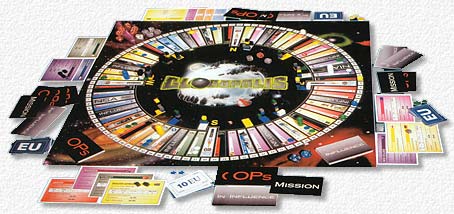
    vier Quadranten angeordnet. Jeder Spieler kontrolliert einen “Governor”
    seiner Farbe und bewegt ihn mittels eines Würfelwurfs über diesen Plan. Damit das
    Glückselement hier nicht zu groß wird hat ein Spieler die Wahl mit wie vielen
    Würfeln (eins bis drei) er seinen Bewegungswurf durchführt und ob er vorwärts oder
    rückwärts geht – letzteres kostet allerdings Geld.

    Jedes Land benötigt 5 verschiedene Ressourcen, um sich weiter entwickeln zu können. Neben
    Wasser, Nahrung, Energy und der Ultralight Component Fertigung gibt es als wichtigste
    Ressources die Network Security Einheit, die die Verteidigungs- und Angriffsstärke eines
    Landes entscheidend beeinflusst. Sobald ein Land einen kompletten Satz von 5 Ressourcen
    besitzt, kann der besitzende Spieler dieses Land entwickeln und damit seine Kampfstärke
    weiter verbessern. Gleichzeitig steigt auch der Wert des Landes, was durch zusätzlichen
    Punkterwerb dargestellt wird. Entwickelte Länder können zu “superentwickelten”
    Ländern gemacht werden, wenn das Land einen zweiten kompletten Ressourcensatz besitzt.
    Jedes Land gehört einer Farbgruppe an und der Besitz aller Länder einer Farbgruppe bringt
    zusätzliche Siegpunkte.

    Dies alles kostet Geld, das es zu verdienen gilt. Ähnlich des Monopoly-Konzepts muss ein
    fremder Spieler eine sogenannte “Conference Gebühr” bezahlen, wenn er auf einem
    Land in Fremdbesitz landet. Diese Gebühr richtet sich nach dem aktuellen
    Entwicklungsstand des betreffenden Landes – auch das erinnert wieder an Monopoly
    (Häuser/Hotels). Anders als dort hat ein Spieler aber immer die Möglichkeit, statt
    Gebühren zu bezahlen zu versuchen, ein fremdes Land zu übernehmen, falls er im gleichen
    Quadranten ein oder mehrere eigene Länder besitzt. Entscheidet sich der Spieler für diese
    Option beginnt eine Kampfrunde.

    Das Kampfsystem unterscheidet sich von Allem was wir bisher gesehen haben und macht das
    Spiel in dieser Phase auch für die Nicht-Kämpfenden interessant. Der angreifende Spieler
    entscheidet sich, welches seiner Länder im Quadranten die Übernahme versuchen soll. Jetzt
    wird abhängig von der Stärke der beiden betroffenen Länder die Anzahl Würfel, die jede
    Seite für die Kampfwürfe zur Verfügung hat ermittelt. Hierbei zählen einerseits der
    Entwicklungsstand der beiden Länder (das Land mit dem höheren Stand erhält einen 6-Seiter
    zusätzlich) und andererseits die Anzahl der National Security Units des Landes (jede
    bringt wiederum einen zusätzlichen 6-Seiter). Weiterhin entscheidet die Mehrheit der (als
    optional in der Spielregel gekennzeichneten) Network Infiltration Agenten über weitere
    ein oder zwei zusätzliche Würfel. Das alles führt dazu, dass der Angreifer mit mindestens
    einem 6-Seiter und einem 8-Seiter und der Verteidiger mit mindestens 2 6-Seitern und
    einem 10-Seiter kämpfen.

    Globopolis boardBei einem Kampf würfeln beide Kontrahenten gleichzeitig mit
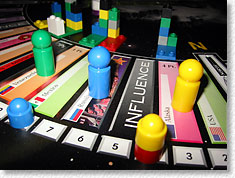
    ihren Würfeln. Zur Auswertung wird der durch den 8- bzw. 10-seitigen Basiswürfel
    geworfene Wert multipliziert mit der Anzahl von 6-Seitern, die den gleichen Wert
    zeigen (also: Pasch = Faktor 2, zwei Pasch = Faktor 4, Drilling = Faktor 3, usw.).
    Der Spieler mit dem niedrigeren Gesamtergebnis muss einen 6-Seiter abgeben. Sobald
    ein Spieler nur noch mit seinem 8- bzw. 10-Seiter würfelt und verliert ist der Kampf
    beendet. Der Gewinner eines Kampfes bekommt sofort das betroffene Land inkl. seines
    Punktwertes und seiner Ressourcen, das Land verliert dabei aber seinen
    Entwicklungsstand und alle National Security Einheiten und ist damit erst einmal
    ohne Verteidigung; dies kann aber sofort durch Verlagerung von Ressourcen von
    anderen Ländern ausgeglichen werden (so unsere leider falsche
    Regelinterpretation, da ja ansonsten ein Land für eine komplette Runde völlig
    ungeschützt ist und damit zur leichten Beute wird. Eine Diskussion mit dem Autor
    ergab, dass man das aber durchaus als Regelvariante zulassen kann)
    . Hat
    der Angreifer den Kampf gewonnen, kann er erneut sofort vom gleichen Territorium ein
    Land der gleichen Farbgruppe angreifen.

    Wir fanden die Kämpfe immer spannend und mehr als einmal hat der von der Würfelzahl
    unterlegene Spieler trotzdem den Kampf gewonnen. Dies liegt natürlich an der Art der
    Punktermittlung mittels Multiplikation statt der üblichen Addition, die auch in quasi
    aussichtslosen Situationen noch für einen Sieg sorgen kann (z.B. 2 gegen 7 Würfel mit 8
    (10-Seiter) mal 1 (kein Pasch) gegen 1 (8-Seiter) mal 6 (1 Vierling, 1 Pasch)). Wir
    hatten dabei nie das Gefühl, dass das System unausgewogen oder unkalkulierbar ist.

    Globopolis - boardEin weiteres Analogon zu Monopoly sind die 3 Typen von
    “Ereignis”-Karten: “Mission” Karten geben zusätzlich zur
    allgemeinen Siegbedingung über die Siegpunkte eine alternative Siegbedingung vor,
    die stark an Risiko erinnert. Anders als dort, kann man bis zu 3 dieser Karten
    besitzen und es reicht aus, eine der Siegbedingungen zu erfüllen.
    “Influence” Karten geben zusätzliche Fähigkeiten, die gerade in einem
    Kampf wertvoll sein können. “Opportunits” oder “OPs” Karten
    bieten zusätzliche Angriffsvarianten.

    Für den Erwerb dieser Karten sowie von Ressourcen und Agenten gibt es entsprechende
    Felder auf dem Plan, die erreicht werden müssen, was uns gerade bei den beiden
    Letztgenannten recht schwierig vorkam, da diese Felder nur wenige Male existieren. Geld
    gibt es – Monopoly lässt grüßen – beim Ziehen über Los, äh über “Teleport”.

    Ein weiteres interessantes Detail ist, dass ein Spieler zu fast jedem beliebigen
    Zeitpunkt Siegpunkte in Geld umtauschen kann – und umgekehrt. Das führte bei uns dazu,
    dass Günther seine letzten 20 zum Sieg benötigten Punkte kurzerhand mit Geld erwarb und
    das Spiel beendete. Hier müssen alle Spieler ein Auge auch auf die finanzielle Situation
    der Anderen haben. (Hier haben wir übrigens ein wichtiges Regeldetail übersehen:
    sobald ein Spieler nur noch 25 Punkte vom Sieg entfernt ist, darf er kein Geld mehr gegen
    Punkte tauschen, und asserdem nur maximal 5 Siegpunkte pro Runde)

    Unsere erste Runde Globopolis endete nach rund 3 Stunden mit dem beschriebenen Sieg von
    Günther. Bis zum 2. Drittel des Spiels war sozusagen der Sieg für alle von uns noch
    “drin”, obwohl Hans recht früh mit Geldmangel zu kämpfen hatte und die
    Entwicklung seiner Länder ins Stocken kam. Peter, der wie üblich aggressive
    Übernahmekämpfe veranstaltete konnte diese Situation anfangs ausnutzen und ein recht
    großes Länderkontingent kontrollieren, verlor dann aber bei wichtigen Kämpfen gegen
    Günther seine Länder wieder und belegte zum Schluss den letzten Platz.

    Ein Resumé nach einer Spielrunde zu ziehen ist uns nicht möglich – zu häufig erkannten
    wir erst spät die taktischen Möglichkeiten, geschweige waren wir in der Lage, eine
    Strategie zu entwickeln. Dazu ist das Spiel zu vielfältig und komplex. Auch die rein
    äußerlich hervorragende Spielregel entpuppte sich als Hemmnis, da nicht immer der
    betreffende Regelpassus schnell auffindbar war. Zwar sind alle Regeln auf nur 8 Seiten,
    davon alleine 4 für die erste Spielrunde, beschrieben aber der Regelaufbau ist gelinde
    gesagt “ungewöhnlich” und erschwert den Einstieg ins Spiel. Gemeinerweise
    finden sich wichtige Regeldetails nämlich als Randnoten oder optisch als Einschübe
    aufgemachte Zusätze, die schnell mal überlesen werden. Zwar gibt es zwei Quick Reference
    Charts, die allerdings nicht unbedingt übersichtlicher sind.

    Wir haben von einer Bewertung des Spiels nach nur einer Runde abgesehen, insbesondere
    nachdem die Meinungen doch recht stark divergierten. Peter hatte bereits nach 15 Minuten
    sein Urteil gefällt – ihm gefällt es nicht und das, obwohl er da noch gar nicht wusste,
    dass er verlieren wird. Bei Hans Günther und mir sind noch ein paar Spiele für ein Urteil
    notwendig.

    Link zu Globopolis
    Rules Clarificationspdf file

    Link zu Globopolis
    Variantenpdf file

    Because of the rather confusing and disorganised rule book I wrote an “Avalon
    Hill” style rules summary which should suit the “hard core” gamers better:

    Link zu Globopolis
    Rules Summarypdf file

Spielbericht 19.9.2002

Spielbericht 19.9.2002

Autor: Moritz

am Tisch: Peter, Hans, Aaron, Andrea, Moritz

auf dem Tisch: When Darkness Comes, Star Wars – Epic Duels, Wizard

  1. When Darkness Comes

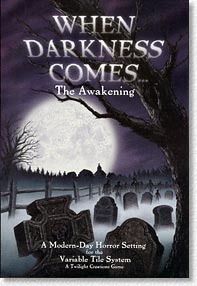
    When Darkness Comes - boxWieder mal ein „Orkabend“, mit
    zumindest 2 eindeutig dem phantastischen Bereich zuzuordnenden Spielen. Zuerst
    „quälte“ ich meine Spielerkollegen mit dem neuen „When Darkness
    Comes“ von Twilight
    Creations und Todd Breitenstein, zum ersten Mal in Erscheinung getreten mit dem
    relativ leichtgewichtigen „Zombies!“ (schönes Spielmaterial, aber spielerisch unbefriedigender
    Fast Food).

    „When Darkness Comes“ ist ein wesentlich ambitioniertes Unternehmen –
    bei vereinheitlichtem Regelwerk sollen mehrere Erweiterungssätze erscheinen, die es
    ermöglichen mehrere Szenarien aus dem Horror-Genre als Brett- wie auch als Rollenspiele
    zu ermöglichen.

    Wie auch in „Zombies!“ wird eine typische amerikanische Kleinstadt aus
    verschiedenen „Tiles“, diesmal grösser und detaillierter als in
    „Zombies!“, zusammengesetzt. Entweder die Spieler erforschen diese „on
    the go“, oder sie wird von vornherein aufgebaut, das ist von Szenario zu Szenario
    verschieden (und von diesen gibt es erfreulich viele als Beigabe der Basisausgabe, ein
    dickes Heftchen voll, gewürzt mit zwar nicht wahnsinnig originellen aber immerhin
    horrormäßigen Kurzgeschichten von „bekannten Horrorautoren“ – von
    keinem hatte ich jemals gehört – die die Geschichte des jeweiligen Szenarios
    einführen).

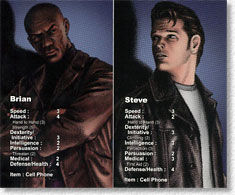
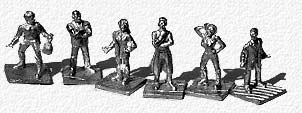
    When Darkness Comes - characters1When Darkness Comes - characters2Die Spieler verkörpern entweder 6 vorgegebene
    (und mit farbigen Karten sowie hübschen Zinnfiguren versehene) Charaktere, oder kreieren
    eigene nach einem einfachen aber interessanten Skillpoint-System (ein dicker Block
    Charakterblätter liegt dem Spiel bei, das in einer kleinen Schachtel ohnehin wirklich bis
    obenhin voll mit Spielmaterial gepackt ist, und das noch zu einem vertretbaren Preis. Die
    größten Gauner der Szene – Steve
    Jackson Games
    – könnten sich hiervon eine Scheibe abschneiden!).

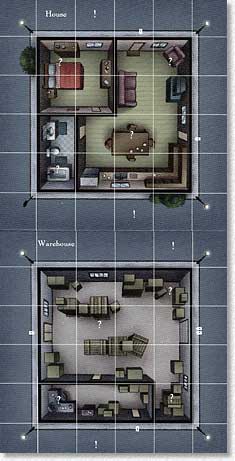
    When Darkness Comes - boardJe nach Szenario werden die Tiles dann
    ausgelegt (eine recht grosse variable Spielfläche kann dadurch entstehen), und mit
    „disks“, kleinen Scheiben, die das Herz des Spiels bilden, belegt. Diese
    werden in den Gebäuden oder szenariospezifischen Punkten verdeckt platziert, und stellen
    Monster, mögliche Verbündete, Gegenstände und Sicherheitsleute dar – letztere
    nerven mit Abstand am meisten, denn Wachleute geben Minuspunkte, wenn sie gekillt werden,
    und das Ausweichen ist meistens schwieriger, als vor einem Monster wegzurennen). Die
    Strassen bleiben übrigens kurioserweise immer monsterfrei – es ist also genau
    anders als in den allseits bekannten Zombiefilmen, bei denen man sich meistens in Häusern
    verbarrikadiert, weil es auf den Strassen von Untoten nur so wimmelt!

    Die Spieler versuchen nun eine Aufgabe zu erfüllen, meistens geht es um Victory-Points,
    die man auf vielerlei Weise verdienen kann, durch Töten von Gegnern, durch Überwinden von
    Hindernissen, durch Heilen anderer Spieler, etc.). Für jede Aktion, sei es das Öffnen
    einer verschlossenen Tür, das Erforschen eines Hauses mittels „Perception“,
    oder den Angriff eines Gegnes, wird ein und das selbe originelle Würfelsystem benutzt:
    Man versucht ähnlich wie bei Poker, einen möglichst hohen Wert beim Würfeln zu erreichen.
    Unterster „Level“ ist mindestens eine 6, als nächstes kommt ein Paar, dann 3
    in einer Reihe (z.B. 4,5,6), usw. Je besser man in einer Fähigkeit ist, desto mehr Würfel
    kann man werfen. Helfen einem andere Charaktere, können eine bestimmte Anzahl von Würfeln
    wiedergewürfelt werden.

    Das System ist gewöhnungsbedürftig, funktioniert aber erstaunlich gut – es bildet
    eine ganz gute Kombination von Glück und ein bißchen Taktik, eine Art Mini-„Kniffel“ im Spiel.

    Dennoch ist natürlich der Glücksfaktor hoch – je nachdem welche „Disk“
    man entdeckt, schlittert man entweder in eine Katastrophe oder findet einen mächtigen
    Verbündeten. Man kann allerdings ein bißchen „Vorahnung“ betreiben, in dem
    man mit „Perception“ ein Gebäude durchsucht. Da aber bei einem
    fehlgeschlagenen Entdeckungsversuch (wenn man sich entschieden hat, auf einer Disk zu
    landen) alle Disks in einem Haus wieder durcheinander gemischt werden, ist dies nur von
    mäßigem Nutzen. When Darkness Comes - figuresAuch werden oft Anforderungen
    gestellt, die nicht zu erfüllen sind – so gelang es zum Beispiel Peters
    muskelbepackten, farbigen Charakter, nicht, eine in einer Polizeiwache (!) liegende
    Pistole zu finden: Er brauchte eine „Strasse“ von 3 Würfeln, hatte aber nur 2
    Würfel im Bereich Intelligenz. Selbst wenn ihm ein anderer Spieler geholfen hätte, wäre
    er „zu dumm“ zum Finden der Pistole gewesen (liegt hier ein unterschwelliger
    Rassismus vor???). Schlicht und einfach: er kann die Pistole NIE finden, andere müssen es
    für ihn tun. Aus ähnlichem Grund sind bestimmte Monster schlicht und einfach unbesiegbar
    (oder auch unausweichbar!).

    Unangenehm fiel auch der Bewegungswurf auf – jedesmal wenn gewürfelt wird, liegt
    ein roter Würfel bei, zeigt dieser eine 1, wird auf einer „Oh Crap!“-Tabelle
    gewürfelt, bei einer 6 auf einer „Wooohooo“-Tabelle. Die Auswirkungen dieser
    Tabelle sind zum Teil krass, so wird zum Beispiel bei einer „6“ auf 2 Würfeln
    bei „woohoo“ jedem anderen Spieler 1 VP weggenommen und dem Würfelnden
    gutgeschrieben, ohne daß dieser etwas besonderes leisten muß. Bei 6 Spielern besteht pro
    Runde immerhin eine 5/36 Chance, daß dies geschieht – und es gibt viele Runden! Bei
    einem Victory-Point-orientierten System ist das einfach zu extrem, wie auch bei
    „Zombies!“ ruiniert hier ein zu hoher Glücksfaktor ein ansonsten
    interessantes System.

    Generell machte das System in unserer Runde einen guten Eindruck, jedoch wurde die
    „Brettspielversion“ als zu langsam mit 6 Spielern empfunden, und letztlich
    auch als zu uninteressant. Wahnsinnig viele Möglichkeiten gibt es nämlich zur Entdeckung
    nicht, und schnell wiederholen sich Ereignisse und Vorgehensweisen (die
    „Security“ hat uns schon wieder aus dem Haus rausgeschmissen? Zum 3. Mal? Nun
    gut, wer macht die Tür auf, wer hilft mir dabei? Etc.).

    Dennoch bestand Interesse, mal die Rollenspielversion des Spiels (mit erweiterten
    Regeln, Weiterentwicklungsmöglichkeit der Charaktere, dem Spiel liegt eine hübsche
    Mini-Kampagne bei, die wohl in den nächsten Sets fortgeführt wird) auszuprobieren, da an
    der Spielidee doch irgendwas dran ist. Eine endgültige Bewertung des Spiels steht also
    wohl noch aus!

    When Darkness Comes Spielhilfe

  2. Star Wars –
    Epic Duels


    Start Wars - Epic DuelsThis game has become a recent favourite of our group
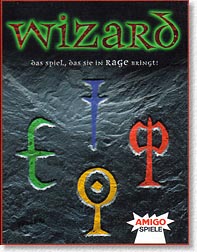
    – although the luck factor is high, there is something about it that makes it
    immensely replayable, at least until one has tried all characters (and there are 12 of
    them, so there is a lot of material!).

    Again, we played a team game, with 6 players, 3 on each side. On the light side Yoda,
    Mace Windu (who on earth would like to be called “Mace”, seriously Mr.
    Lucas!) entered the fray, opposing the heinous Darth Vader, Jango Fett and Count Dooku.

    The light side started out very defensively – To use his biggest advantage, the
    power attack using the number of cards in hand as attack number, Mace usually has to wait
    out the first few rounds to collect cards. Also Yoda is a very defensive character, who
    normally has to bide his time. So we huddled together in a corner, using the mostly
    expendable clone troopers as a living shield. When Count Dooku and Darth Vader came close
    enough to attack they fell victim to Mace Windu’s whirlwind attack, which seriously
    diminished their survival chances. But Jango Fett was the first one to bite the dust
    – in multiplayer games of “Epic Duels” it is usually best to
    concentrate the attacks on one character so he will run out of cards, once this is known,
    he usually stands no chance. But after Jango’s demise Yoda was next to die, never
    really having a chance to use his powerful defense abilities. The light side countered
    this terrible blow with some power attacks on Darth Vader, who is usually very weak in
    defense. Darth Vader fell, but again it was possible for Count Dooku to eradicate Obi-Wan
    with one of his terrible “taunting” attacks (“Obi-Wan pees in his bed,
    heehee!” or something similar???). Now it was on Mace Windu alone to show the
    opponents what black power means – through careful card management he managed to
    build up his strength again, which was more then enough to kill Dooku, who had some bad
    luck in his card draw. But wait, there was still Jango’s assistant, the sniper with
    the weird long gun (who has some powerful cards). Again, Mace tried to bide his time and
    draw cards, while Mrs. Sniper evaded to the far side of the playing map in a desperate
    attempt to draw cards with her picture on it. When Mace felt confident enough to attack
    her (he had only one life point left, but good defense cards), she shot him on the way. 2
    cards were played, one with a 3 attack, and one with a 4 attack. Mace had a 4 defense and
    a 3 defense card. Guess in what order he played them….

    While the world grew black around the dying Mace, last hope of the light side of the
    force, he had at least the consoling thought that one game of “Epic duels”
    was so much more exciting than Episode I and II together. “I, as a boardgamer, can
    live with that, he thought. And then he fell….

  3. Wizard

    Wizard - boxThis fun game shows that it sometimes only takes one simple rules
    twist to make a game interesting. In this case it is a kind of gauntlet that the players
    have to pass in this easy trick taking game.

    “Wizard” works, although the colourful fantasy-themed cards might make you
    think otherwise, like many other trick-taking games. There are 4 suits, each with 13
    cards (you could actually play the game with an ordinary card deck as well, with only
    slight rules changes), higher cards beats lower card, one suit is declared trump and
    beats all, first player to play defines the suit that others have to follow if they can.
    There are also 4 “wizard” cards which always win (if played first), and 4
    “fool” cards, which always lose. So far, so normal.

    Wizard - cardWhat makes the game a real winner is one simple idea (which is of
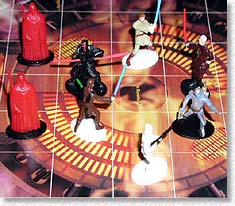
    course adapted from the ultimate trick-taking game, bridge): 1) you have to predict how
    many tricks you will make. 2) The first round you get one card each, the second round you
    get 2 cards, then 3, 4 etc., until in the final round ALL cards are distributed.

    If you meet your prediction, you get 20 points plus 10 points per trick taken, if you
    predict falsely, you get nothing.

    In the first rounds prediction is relatively easy – the more cards you get, the
    more difficult it becomes. All cards are “good”, even fools, because very
    often you find yourself desperately AVOIDING to get tricks, as you have already fulfilled
    your quota. Of course it is also very interesting to see what the other players predict
    – if everybody announces lots of tricks, you might rethink your hand that you
    initially thought to be good enough for a trick or two. It is also possible to play
    destructively, announcing more (or less) tricks than you plan to do, although this only
    works against somebody, not for yourself. The last round is especially exciting, as all
    cards are in play.

    This game won’t certainly win the design award for originality, but it really is a
    good and fun filler-in or closer for a games evening, and works equally well with any
    number of players from 3 to 6.

    Recommended, and you don’t even have to buy the game!

Spielbericht 11.9.2002

Spielbericht 11.9.2002

Autor: Aaron

am Tisch: Peter, Hans, Walter, Moritz, Basti, Aaron

auf dem Tisch: Star Wars – Epic Duels, Öl für uns alle, Der wahre Walter,
Nimm’s Leich!, Bluff

  1. Star Wars – Epic Duels

    Diesmal spielten wir Epic Duels zu sechst in der Variante “dunkle” gegen
    “gute” Macht, d.h. es spielten 3 (Walter, Basti, Hans) die gute Seite und 3
    (Peter, Moritz und ich) die dunkle Seite.

    Epic Duels - boardPeter begann das Spiel und hatte mit dem Imperator gleich gute

    Spezialkarten zur Verfügung, die er sofort gegen Walter einsetzte. Der verlor damit alle
    seine Handkarten und war schutzlos, ohne überhaupt am Zug gewesen zu sein. Als Peter dann
    in seinem zweiten Zug dies ausnutzte, um Walters ersten Charakter zu töten stand Walters
    Meinung über das Spiel fest: keine Möglichkeit, das Spiel zu beeinflussen – man wird
    gespielt. Hier spielte sicherlich eine Rolle, dass wir zu wenig als Team spielten, um uns
    gegenseitig zu schützen.

    Die übrigen Spieler lieferten sich einen spannenden Kampf, der letztendlich nach 30
    Minuten Gesamtspielzeit mit dem Sieg Peters und damit der dunklen Seite der Macht endete.

    Bis auf Walter waren alle der Meinung, dass “Epic Duels” ein spannendes,
    kurzweiliges und sehr stimmiges Spiel mit ausgewogenen Charakteren ist, das wir gerne
    wieder spielen werden.

    Westpark-Gamers-Bewertung: 7.75

  2. Öl für uns alle

    Öl für uns alle 1976In the 1960s I played this game quite often and I remember
    that I liked it a lot at the time.
    Ravensburger
    published the first release in 1960 (apparently in co-operation with
    British Petrol) and decided to re-release it in 1976. The second issue came with large
    separate boards for the oil drilling and market value markers but overall I liked the
    1960 material better – it delivered a less abstract flair to the game (I particularly
    liked the little oil drilling towers, which although a bit fiddley to use were a lot
    nicer than the abstract plastic pawns used in the 1976 release). We played the 1976
    release of Hans, who has equally good memories about the game as I have.

    Basically, this a business game about oil exploration and transportation. Players roll a
    die to move their pawn across a track on the main board. The space they end their move on
    indicates an action they can or must make. Some spaces trigger actions just when moved
    over – these actions apply to all players. Possible actions of the first kind are buying
    the next available oil drilling right and to start drilling for oil, or to take one of
    the two kinds of event cards. A possible action of the second kind is that all oil wells
    belonging to players produce oil, which increases the level of oil in the storage tanks
    of each well.

    Öl für uns alle 1960Once a player has moved his/her pawn (s)he may charter a
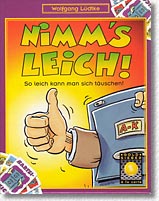
    tanker to transport oil from a well’s storage tanks to a refinery. Two types of
    tankers with different capacity (and charter price) are available and no ship may be
    chartered if there is insufficient oil to completely fill it. Tankers move one space
    across the world map on the board per player’s turn. Shipping routes have different
    length depending on the location of the well and the chosen refinery. Whenever a ship
    moves the owner has to pay operating costs, which are on top of the initial charter cost
    for the tanker, making it important to always have sufficient money available – so
    players have to carefully watch their cash flow. Once a ship reaches its destination the
    refinery pays the current market price for that location and the price drops one step
    thereafter. This is a simple mechanism to simulate supply and demand.

    Players start with one working oil well and may start as many oil drilling operations as
    they like – provided they end their move on the appropriate space and have sufficient
    money to buy the exploration rights. Drilling for oil is a chancy business and will fail
    or incur additional costs in about 40% of the cases.

    The game ends once the first player has successfully completed 10 oil deliveries to the
    refineries.

    All the good memories about the game disappeared during playing for about 90 minutes
    after which we aborted the game. The conclusion was that it would last at least another
    90 minutes if not a lot longer. This in itself would not have been a problem if the game
    provided at least a minimum of player interaction. Instead, players have to wait
    endlessly for the other players to complete their moves without being able to plan ahead.
    Most of the time players would be able to plan and perform their moves completely
    independently of each other as hardly any of the player’s choices has an impact on
    the other players. Even the oil price changes due to supply and demand variations were
    found to be of little tactical implication as shipping routes are too long to be able to
    seriously plan ahead. So the game comes down to the simple principle: start an oil
    exploration whenever you can and ship oil whenever possible using the shortest possible
    route, and most importantly “beat” your opponents when rolling the die. Not
    enough substance for a game that lasts 3 hours or more…

    Westpark Gamers Score: 2.34

  3. Der wahre Walter

    Fata Morgana, the publisher of this game is best known in the English
    speaking parts of the world by their game Kreml, which was
    published in English with slightly modified rules by Avalon
    Hill
    under the name of “Kremlin“.
    Many Fata Morgana games are card games (like their famous “Anno
    Domini
    ” and “Tichu“) and “Der wahre Walter”, too, comes as a set of
    156 cards with 3 statements each on either side of the card. Each of the statements
    refers to the person reading it to the others (the Sphinx). A keyword of a statement is
    blanked out by the word “Walter”.

    The game works like this: in sequence each player for one turn resembles the
    “Sphinx”, takes the next card from the shuffled deck, selects one side of the
    card and reads the 3 statements to the other players. Example: “Having won a million
    in the lottery I would Walter.” Using their knowledge about the person
    playing the Sphinx the players (including the Sphinx) write down what they think is the
    most appropriate replacement for the word “Walter”. This can be a single word
    up to a complete sentence.

    Once all players have written down their “Walter” words the Sphinx collects all
    notes and reads them (including her own) in random order to the players. The players (of
    course excluding the Sphinx) then guess what the Sphinx’s “Walter” words
    might have been. Players who guessed correctly receive a point (the Sphinx also receives
    a point for each correct guess of another player). In case a player guessed wrong the
    player who wrote down this (incorrect) word receives a point.

    Basically the game implements the same principles as the lexicon game or the German
    Nobody
    is perfect
    “. The only difference is the more personal touch by having to guess
    what the Sphinx will write down. The Sphinx will try to write down something that is
    likely to be guessed by the others and the other players will try to write down words
    which sound convincing to all other players in order to trick them into selecting this
    word. So it is of some benefit to know the person that plays the Sphinx quite well.

    All of this is by no means a new idea or principle – it works fine all right but does not
    have a “lasting effect”.

    Westpark Gamers Score: 5.67

  4. Nimm’s Leich!

    Nimm's Leich!Although already 5 years old this is the first time we played
    the game. The title is a pun using the German idiom for “Take it easy” and by
    removing just one letter changing it to the equivalent of “Take a corpse” –
    well…

    The game uses 6 different “Leich” cards which are shuffled and placed face up
    in a line on the table. One end of the line is marked as “top” by turning the
    card (the highest ranking “Leich”) by 90 degrees. Each player receives 6 cards
    from a deck of 36. Each of these cards has 6 spaces for a representation of a
    “Leich” card. The distribution of “Leich” pictograms on these cards
    varies significantly, some show only 2 different “Leichs” but each of them 3
    times. Others show 3 “Leichs” each of them twice and so on. Each player takes
    the first card of his/her deck (which lies face down in front of the player) and the task
    of the players is to make a bet on how many “Leichs” of a particular kind are
    represented in total on all of the players drawn top cards. The start player makes the
    first bet. The next player now has three choices: either raising the bet for that
    “Leich” by at least one, or quoting a new bet for a higher-ranking
    “Leich” or challenging the bet of the previous player. If a bet is challenged
    all players vote on this bet by simultaneously showing a “thumbs up or
    down”. Those choosing “thumb up” believe in the bet, those with their
    thumb down disbelieve it. The cards are then revealed and the players who guessed
    correctly discard their card, the other players take back the card and place it as the
    last card in their deck.

    Twice in the game each player has the opportunity to ask two players to show him/her
    their card. This must happen before a bet is challenged, though.

    The game ends once a player has discarded all of his/her six cards.

    If all of this sounds familiar: yes, the principle is very similar to “Liar’s
    Dice” or “Bluff” as it is called in Germany. In comparison, we much prefer
    Bluff – it plays faster and is a bit more predictable with respect to the odds, and last
    but not least the suspense of the fact that the number of dice (and players!) is
    constantly reduced is unsurpassed.

    Westparkgamers Score: 4.5

  5. Hence we decided to play our favorite “last game of the
    evening”:
  6. Bluff

    After having some extreme results regarding the number of dice showing the same value
    last time round, this round was more of the usual matter. Our first round was slightly
    off the usual as it showed an surprisingly fast reduction of dice during the first few
    turns.

    Westparkgamers Score: 7.58